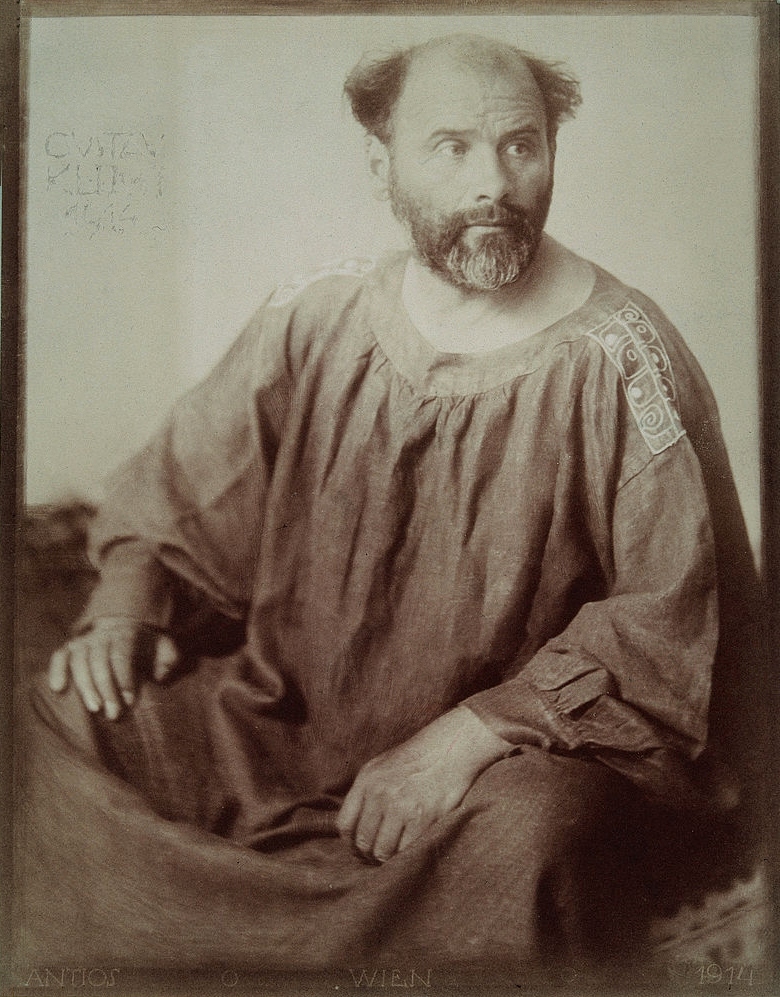
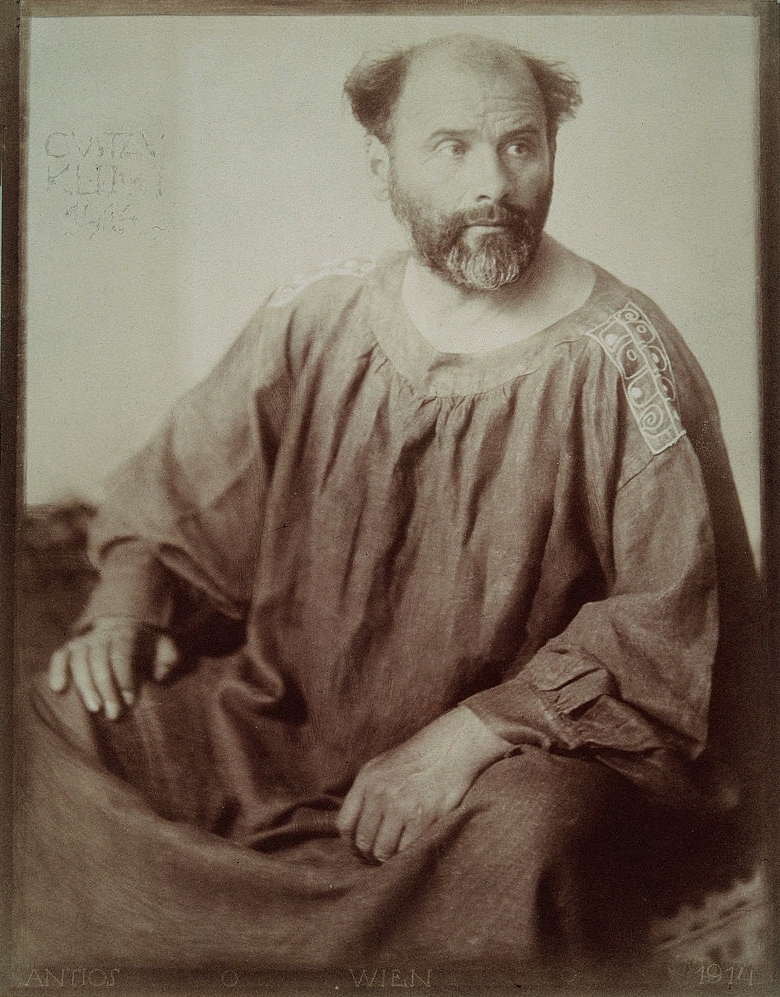
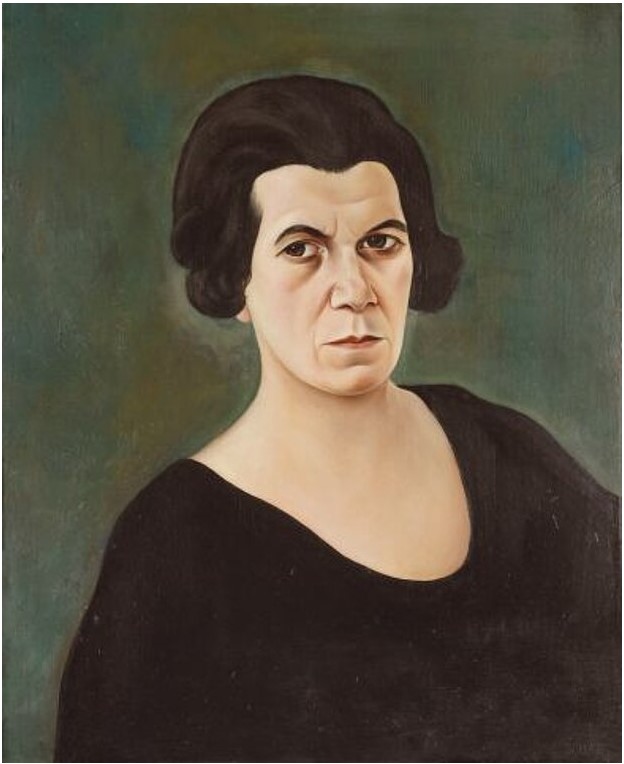
Egon Schiele, [Fig. 2], whose earliest mature works strongly echoed those of his great mentor and patron Gustav Klimt, before he found an expressive, sensual, visceral voice all of his own, was an artist widely admired by Austrian-Jewish collectors, who were major patrons of his art in Vienna until the Anschluss of Austria of March 1938.
‘The painter is not quite the artist. It is the Spirit that created Art.’
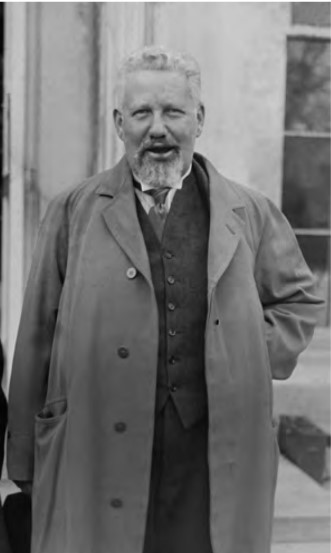
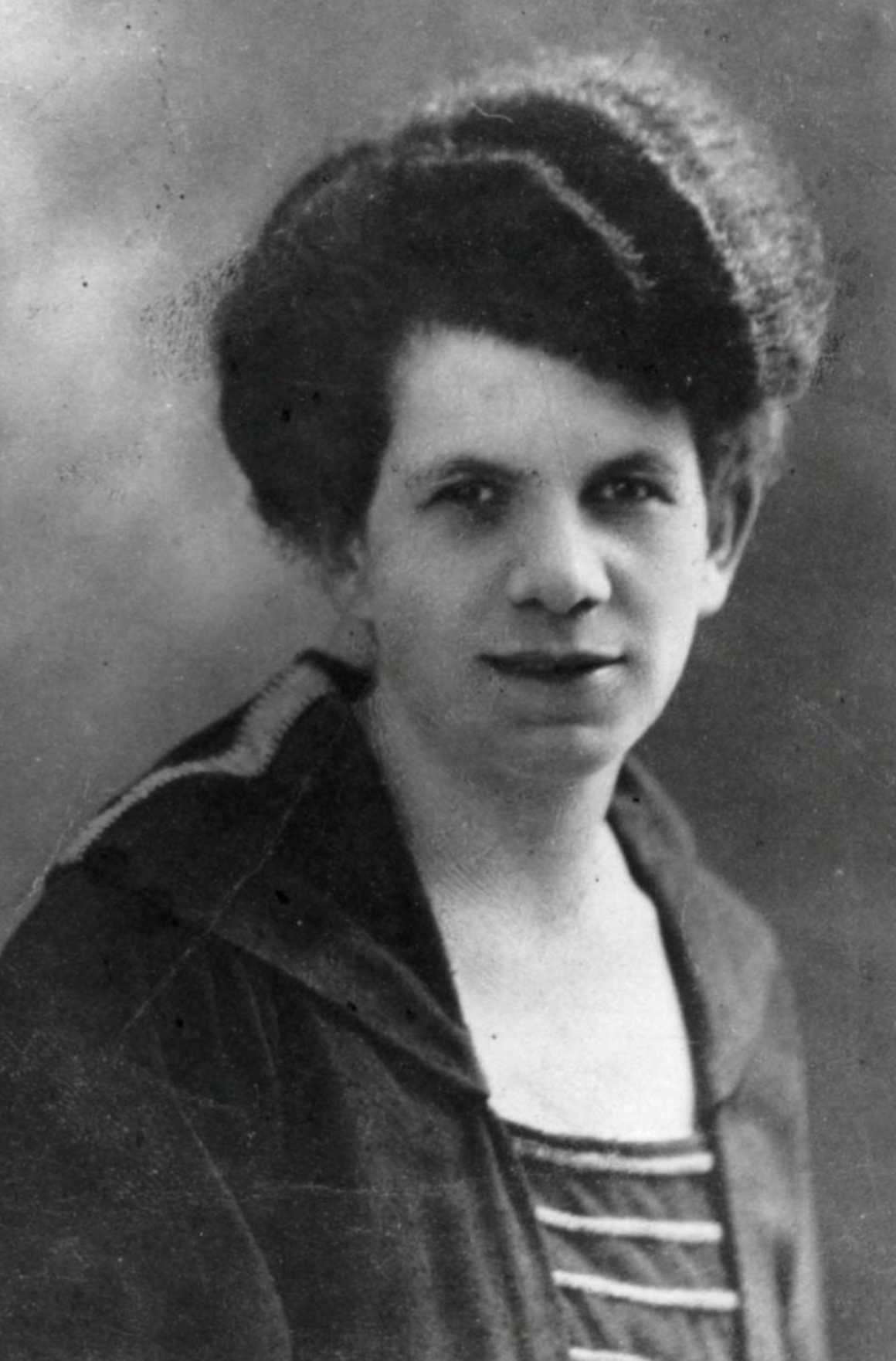
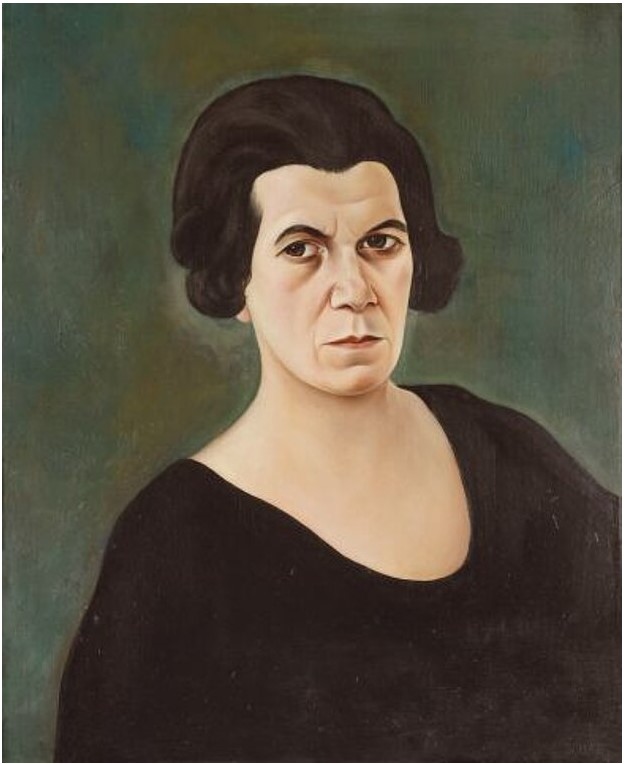
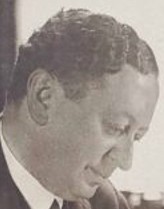
Some important early patrons and supporters of Schiele’s work were the collector and art dealer Lea Bondi-Jaray (1880–1969). the graphic artist Benedikt Fred Dolbin (né Pollak, 1883–1971) [Fig. 3], the cabaret star Fritz Grünbaum (1880–1941) and the textiles trader and antiques dealer Karl Grünwald (1899–1964), [Fig. 1, Fig. 4].


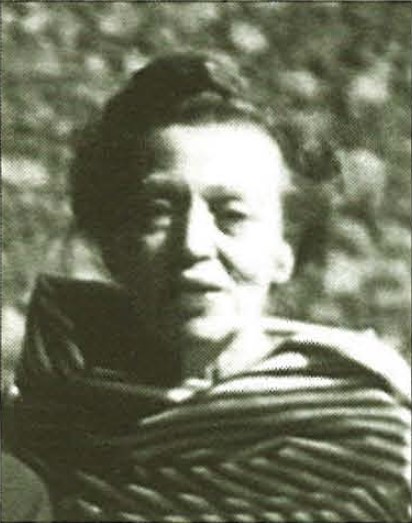
Another notable early supporter of Schiele, and a close friend of his, was the art historian and critic Arthur Roessler (1877–1950) [Fig. 5], with his translator wife Ida (née Lange, 1877–1961) [Fig. 6]. Arthur and Ida were both portrayed by Schiele, Arthur more than once [Fig. 7].
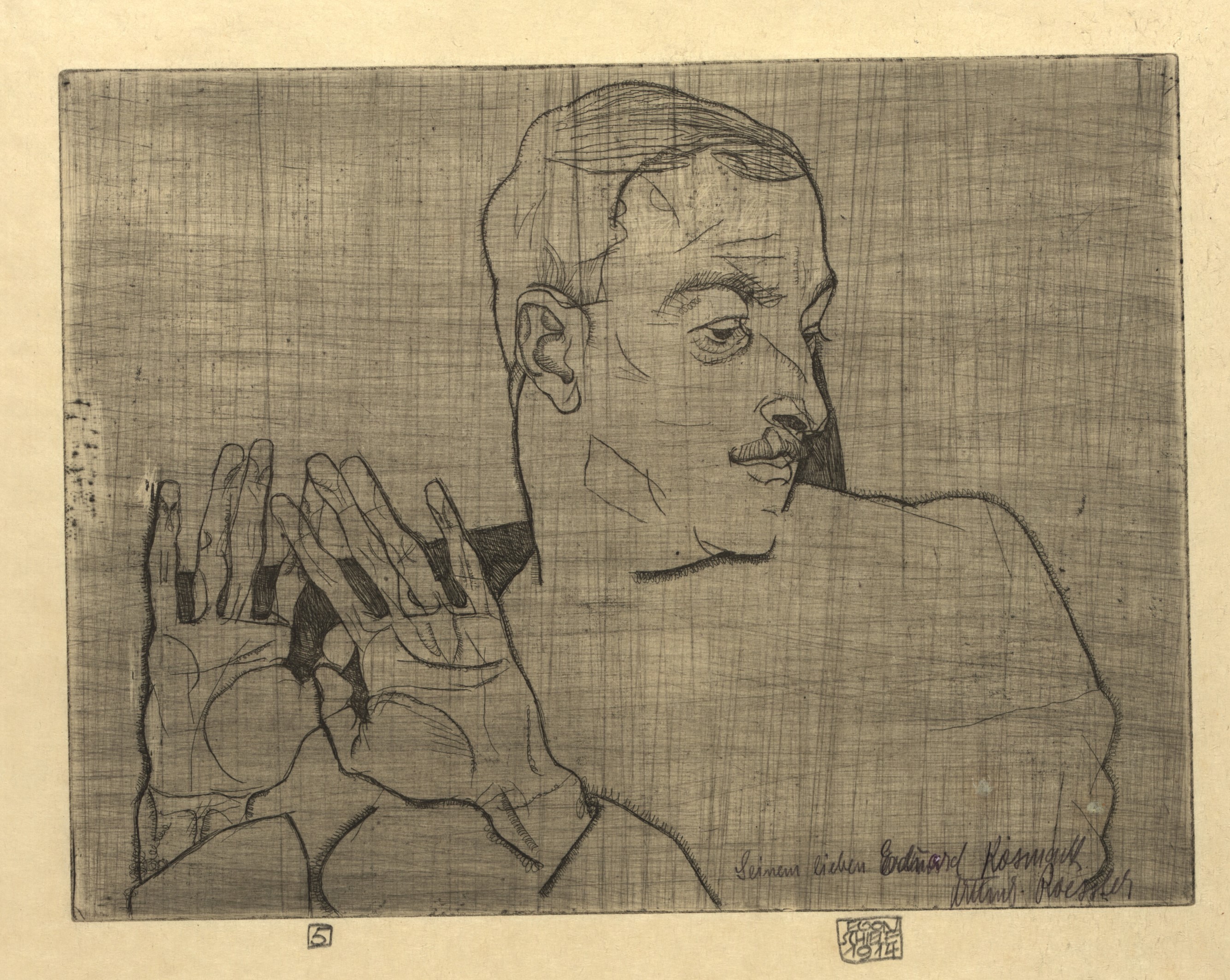


Standing alongside them as key Austrian-Jewish collectors of Schiele’s work were the businessman and art critic Karl Mayländer (1872–1941), the scion of an art-collecting family Erich Lederer (1896–1985) [Figs. 8–10], the dentist Heinrich Rieger (1868–1942) [Fig. 11], and the merchant Arthur Stemmer (1880–1954) [Fig. 12].


'…bodies have their own light, which they consume during their lifetime; they burn; they are unlit’

Almost all of these admirers of Schiele’s art fled for their lives or were deported to their deaths after the Anschluss.
Lorem ipsum dolor sit amet, consectetur adipiscing elit, sed do eiusmod tempor incididunt ut labore et dolore magna aliqua. Ut enim ad minim veniam, quis nostrud exercitation ullamco laboris nisi ut aliquip ex ea commodo consequat. Duis aute irure dolor in reprehenderit in voluptate velit esse cillum dolore eu fugiat nulla pariatur.

Block quote
Ordered list
Unordered list
Bold text
Emphasis
Superscript
Subscript
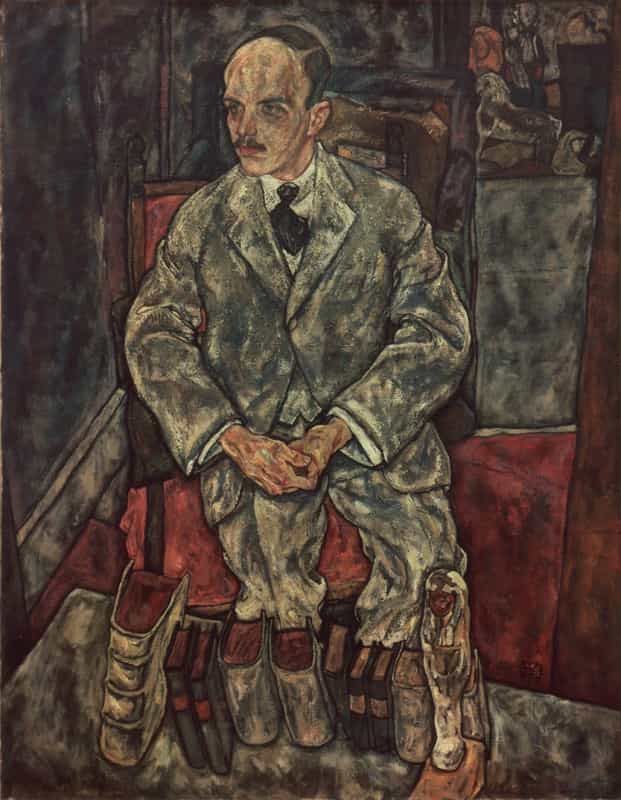
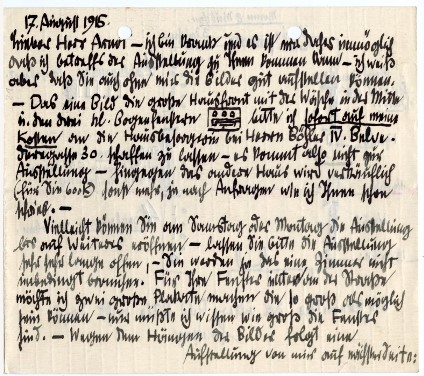


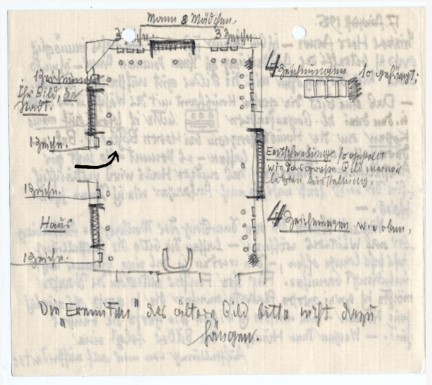
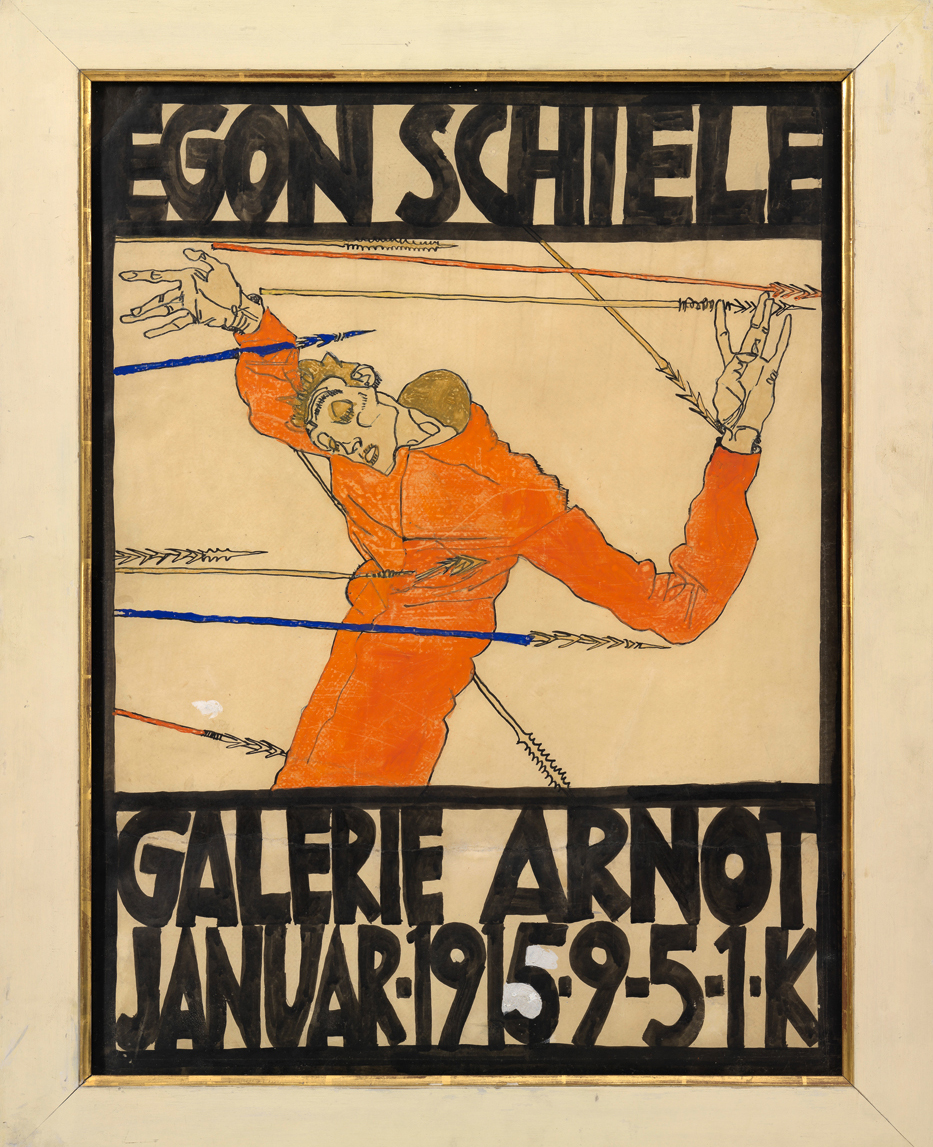




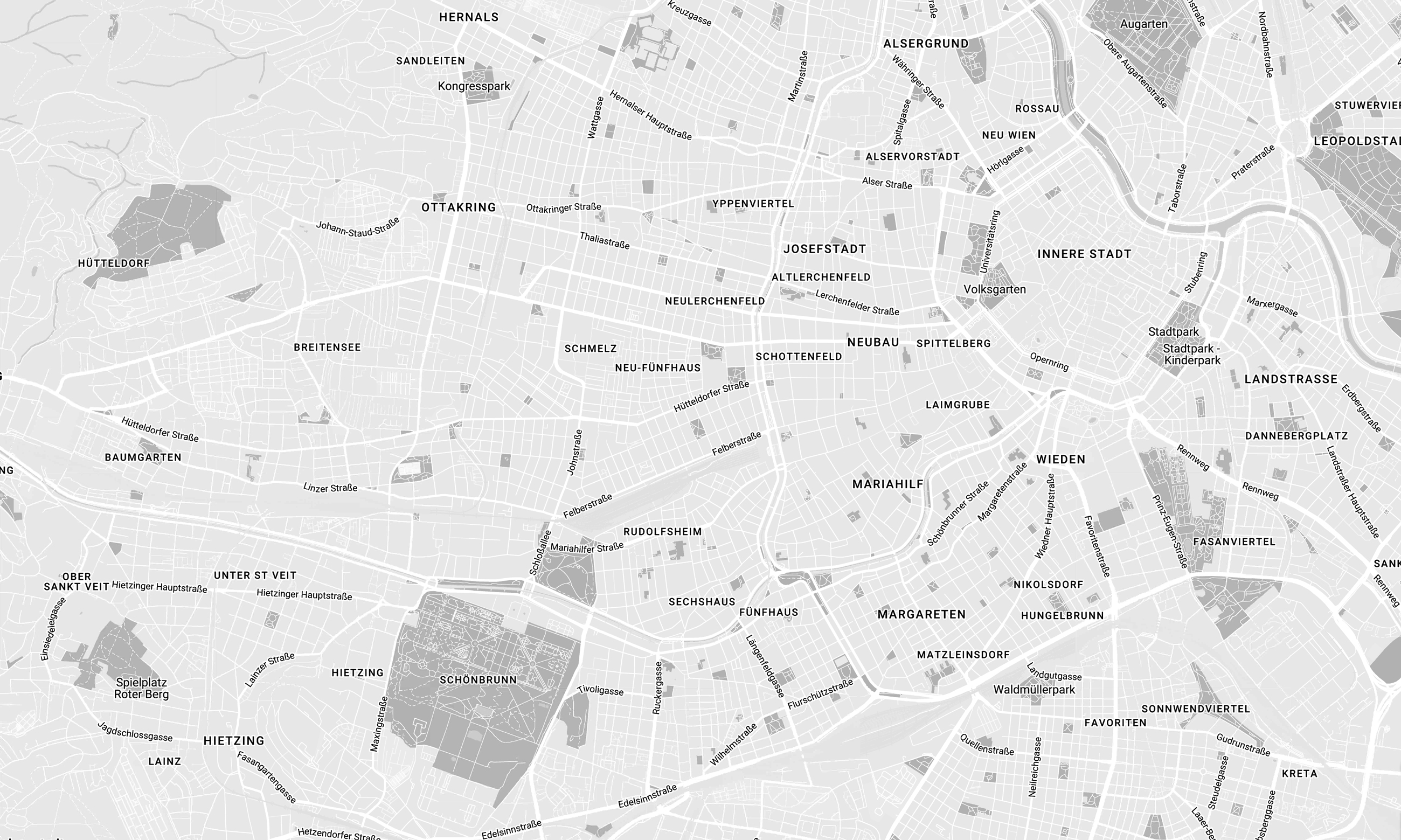
Before art collectors could encounter Schiele’s paintings and graphic works there, of course, had to be art dealers to represent and promote his extraordinary artistic output. Guido Arnot (né Abeles, 1868-1946) [Fig. 13] was Schiele’s first gallerist at Kärntner Ring 13 in the upmarket 1st District. His father had founded Galerie Arnot in Vienna as far back as 1863. From 31st December 1914 to 31st January 1915, Arnot held the famous Kollektiv-Ausstellung Egon Schiele, Wien at his premises [Figs. 14-18] which helped to make Schiele’s name. Guido Arnot moved to London before the end of the 1920s. His younger brother and fellow art dealer Hugo Arnot (né Abeles, 1872–1940) followed in June 1939 and died there in 1940. Guido died in London six years later in 1946, and Hugo’s son Herbert (1907–1990) founded the Arnot Gallery in New York that same year.

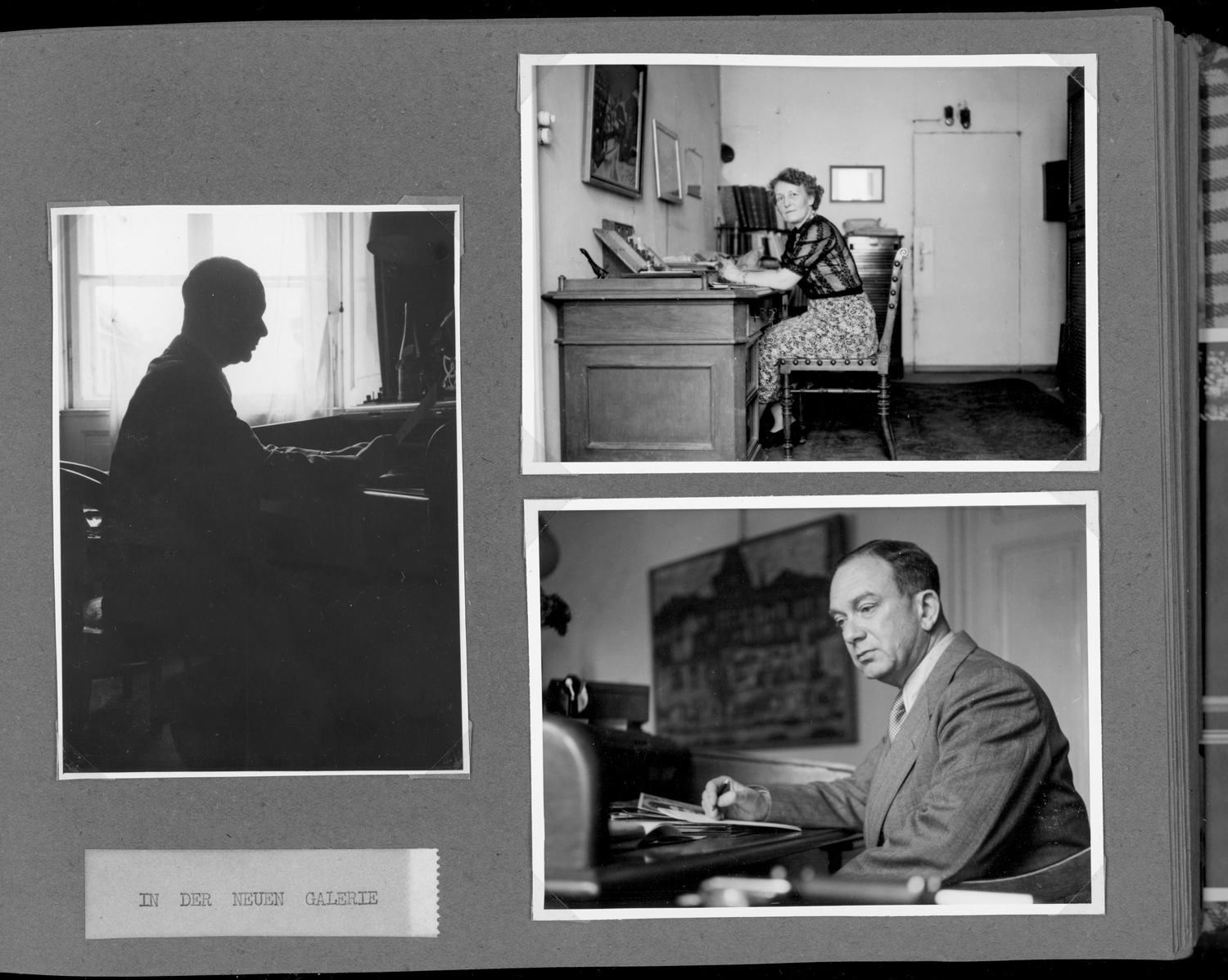
Otto Kallir (né Nirenstein, 1894–1978) was another celebrated Viennese Jewish art dealer whose great efforts in promoting Schiele’s work at his Neue Galerie, which he established in 1923 at Grünangergasse 1 [Fig. 19] also in the 1st District, helped to lay the foundations for the artist’s worldwide fame today. Kallir’s inaugural exhibition of Egon Schiele paintings, which opened in November 1923 [Fig. 20], was just the first of many that he devoted to Schiele, all of which were hugely instrumental in magnifying the artist’s posthumous reputation. Alongside exhibitions of Schiele’s work, Kallir showed Gerstl, Klimt, Kokoschka, Kubin, and many other Austrian and international modern artists from Germany, Italy, the Netherlands, Russia and beyond.
Kallir organised more than 120 exhibitions before he was forced to flee Vienna following the Anschluss in 1938 [Fig. 21].
Arnot and Kallir represent two different stories of Vienna: one an émigré long before the Anschluss of March 1938 and the other a refugee from the city very soon after it. As mentioned, Arnot had already moved to London by the end of the 1920s, while Kallir fled Vienna with his family for Switzerland in 1938, followed by Paris and then New York in 1939. In New York he opened a branch of the Galerie St. Etienne on E. 57th Street that he had founded in Paris only in 1938. Galerie St. Etienne has specialised in promoting the work of the Austrian modernists and expressionists, especially Schiele, ever since and it has become the world-leading centre for scholarship on the artist.
The rich text element allows you to create and format headings, paragraphs, blockquotes, images, and video all in one place instead of having to add and format them individually. Just double-click and easily create content.
Quote sample text
A rich text element can be used with static or dynamic content. For static content, just drop it into any page and begin editing. For dynamic content, add a rich text field to any collection and then connect a rich text element to that field in the settings panel. Voila!
Headings, paragraphs, blockquotes, figures, images, and figure captions can all be styled after a class is added to the rich text element using the "When inside of" nested selector system.
‘Perhaps you could open the exhibition on Saturday or Monday until further notice – please keep the exhibition open for a very, very long time – (...). For your windows at street level, I’d like to make two large posters that can be as big as possible. Please do make sure to send invitations to all newspapers and magazines, as well as to everyone else who has always been invited – you can also give me a batch of cards.’
Other Jewish art dealers who had known Schiele personally and professionally in Vienna, though perhaps not as pivotal as Arnot and Kallir, were Richard Lányi (né Löwy, 1884-1942) [Fig. 23] and Paul Wengraf (1894-1978) [Fig. 24].
Lányi was a bookshop owner and art collector who published a portfolio of collotypes after 12 drawings by Egon Schiele in 1917 [Figs. 25, 26]; and later printed a further 34 pictures by Schiele as postcards, thus promoting his graphic work.
‘Dear Mr Lanyi, I confirm receipt of your letter of 19 February 1917.
You will be publishing the first portfolio.
I shall number [!] and sign every single copy.’
Wengraf was born into a Jewish family of antique dealers and got to know Schiele in 1917 through Lányi. He fled Vienna for London in 1938 and founded the Arcade Gallery in Mayfair in 1939.
As early as 1934, Lányi had been the subject of opprobrium in the viciously antisemitic tabloid newspaper Der Stürmer (The Stormer). After the Anschluss, he was again the target of state-sponsored attack — his business was shut down for several days by the Gestapo. He was deported to Auschwitz on 2 February 1942, where he was murdered after only three months’ incarceration in May 1942.
The decay of those sunflowers, the pulsing of life, of sexuality, in Schiele’s entwined nudes. Life and death, two universal themes so central to Schiele’s work, were reflected in the fates of his Austrian-Jewish patrons, collectors, and dealers particularly powerfully after the Anschluss of Austria in March 1938. Those works by Schiele that they once owned, displayed or sold stand in many ways as enduring, indelible testaments to their own lives, lives that were in some cases cut tragically short by the National Socialist regime.
Tobias G. Natter, Die Welt von Klimt, Schiele und Kokoschka. Sammler und Mäzene. Köln, 2003.
Kallir Research Institute, New York. Egon Schiele. The complete works online. Kallir Research Institute_© _2020
Esther Selsdon, Jeanette Zwingerberger & Ashley Bassie, Schiele, New York, 2011, p. 138.
Lorem ipsum dolor sit amet, consectetur adipiscing elit, sed do eiusmod tempor incididunt ut labore et dolore magna aliqua. Ut enim ad minim veniam, quis nostrud exercitation ullamco laboris nisi ut aliquip ex ea commodo consequat. Duis aute irure dolor in reprehenderit in voluptate velit esse cillum dolore eu fugiat nulla pariatur.
Block quote
Ordered list
Unordered list
Bold text
Emphasis
Superscript
Subscript

The rich text element allows you to create and format headings, paragraphs, blockquotes, images, and video all in one place instead of having to add and format them individually. Just double-click and easily create content.
A rich text element can be used with static or dynamic content. For static content, just drop it into any page and begin editing. For dynamic content, add a rich text field to any collection and then connect a rich text element to that field in the settings panel. Voila!
Headings, paragraphs, blockquotes, figures, images, and figure captions can all be styled after a class is added to the rich text element using the "When inside of" nested selector system.