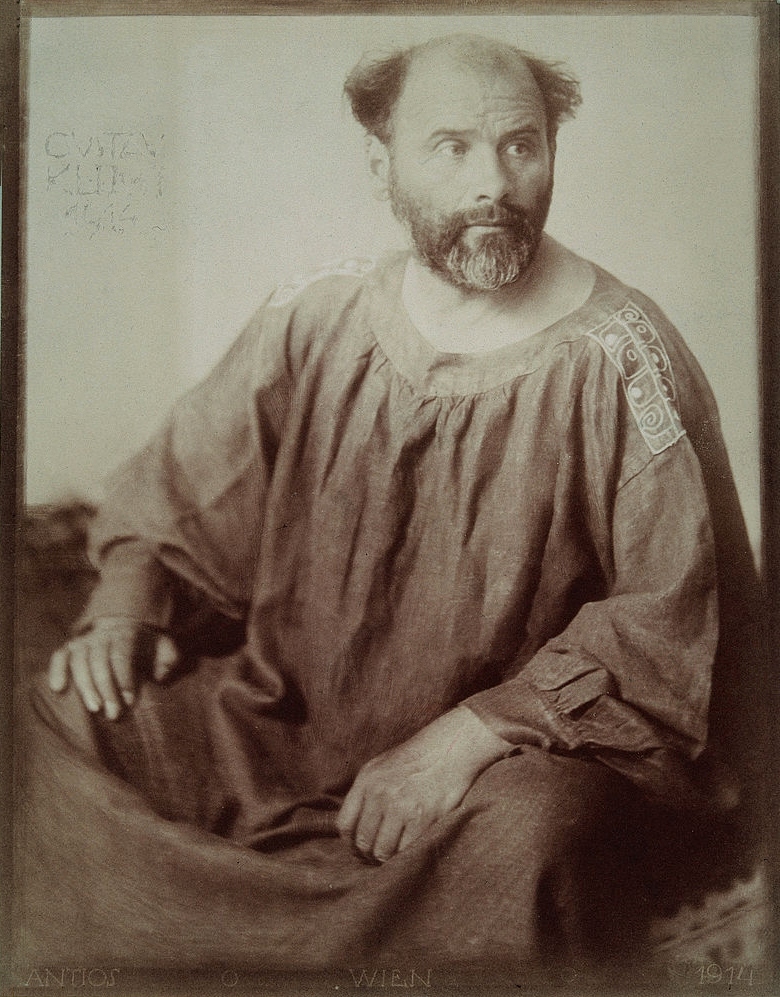
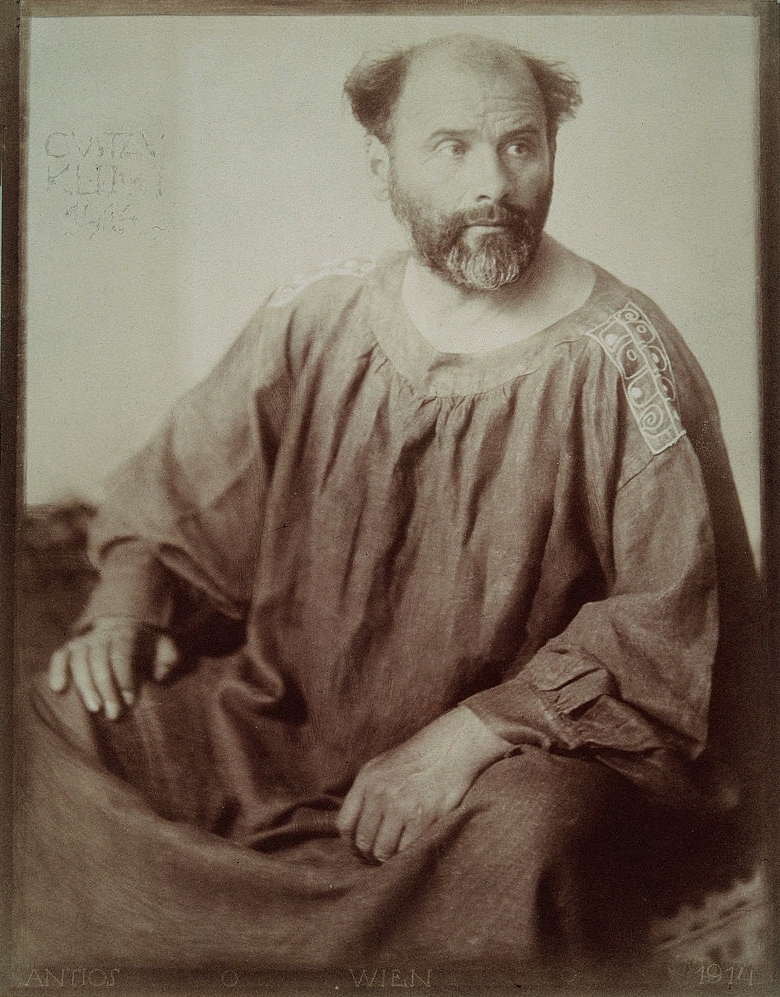
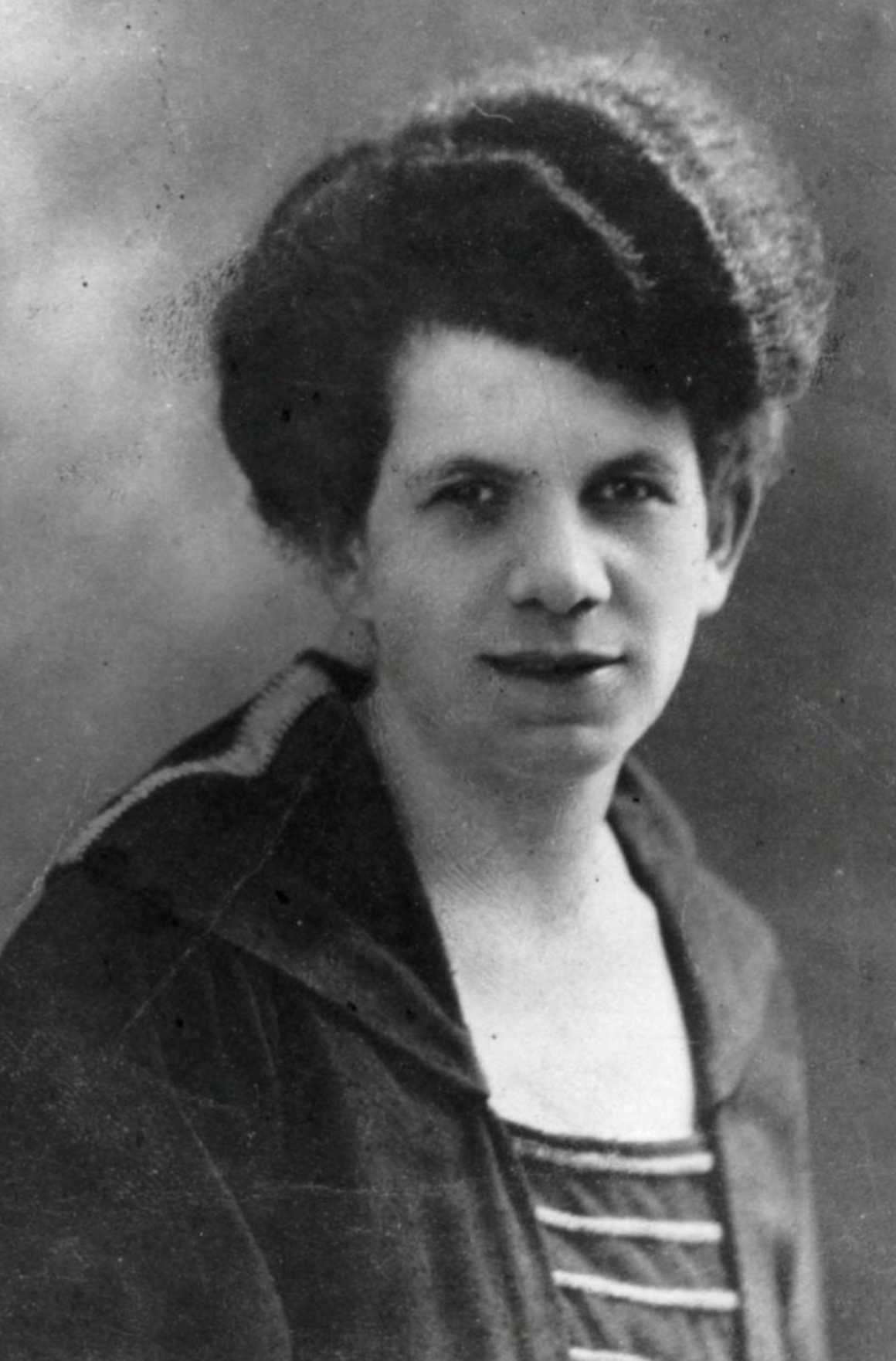
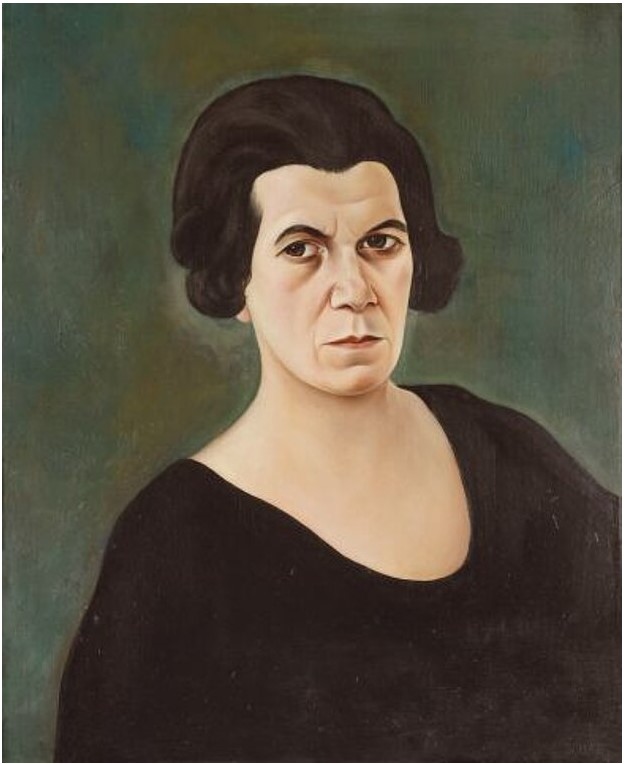
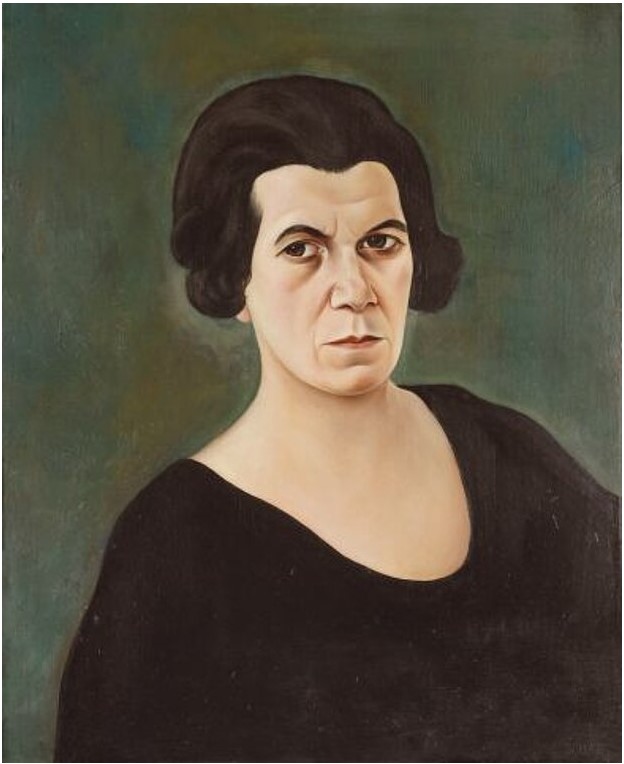
A 3rd-century marble bust of Alexander the Great [Fig. 2], Old Master paintings and drawings [Fig. 3 and Fig. 10], 19th-century continental pictures [Fig. 1 and Fig. 5], collections of antique coins and medals [Fig. 6]: they were the household treasures of Austria’s bourgeoisie, including many members of the country’s Jewish community. Then, following the Anschluss on 12 March 1938, these works were systematically confiscated by Nazi stormtroopers.
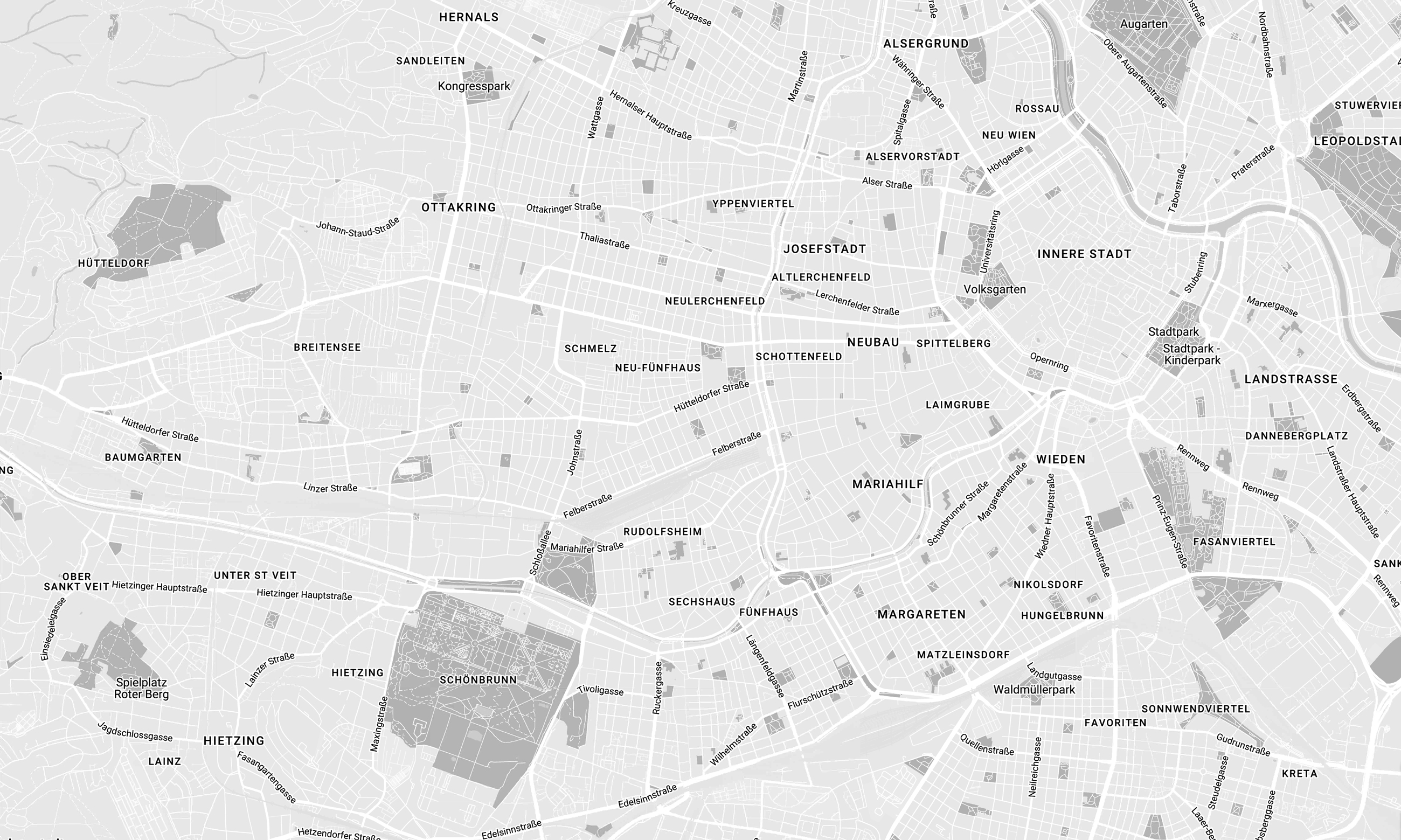
For decades these possessions were hidden away in darkness, first in a salt mine near Salzburg and later in a monastery in Mauerbach, just outside Vienna. The Mauerbach loot, as it came to be known, emerged at the centre of one of the major art stories of the 20th century and would play a key role in the history of art restitution.

The Mauerbach works were first found by American soldiers in a salt mine outside of Salzburg after the war. Nearly 10,000 of the items were returned to their owners during the Allied occupation of Austria, after which point, in 1955, the restitution of the remaining objects became the responsibility of the Austrian government.
Lorem ipsum dolor sit amet, consectetur adipiscing elit, sed do eiusmod tempor incididunt ut labore et dolore magna aliqua. Ut enim ad minim veniam, quis nostrud exercitation ullamco laboris nisi ut aliquip ex ea commodo consequat. Duis aute irure dolor in reprehenderit in voluptate velit esse cillum dolore eu fugiat nulla pariatur.

Block quote
Ordered list
Unordered list
Bold text
Emphasis
Superscript
Subscript
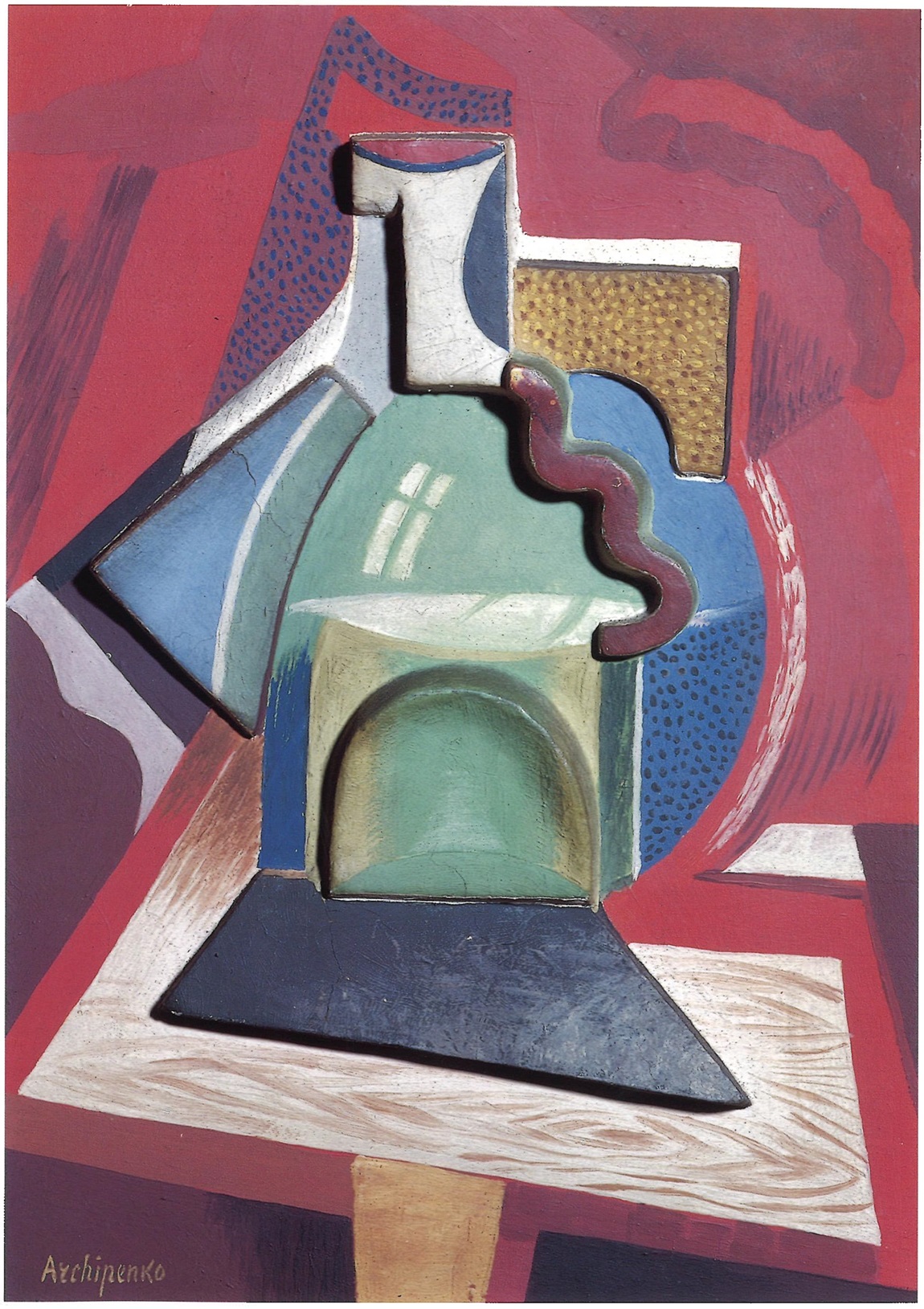
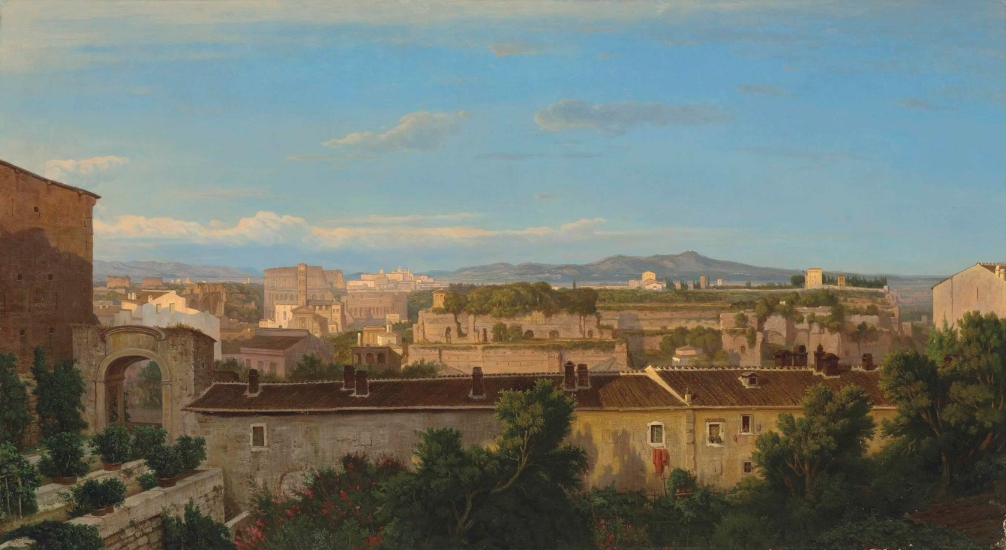
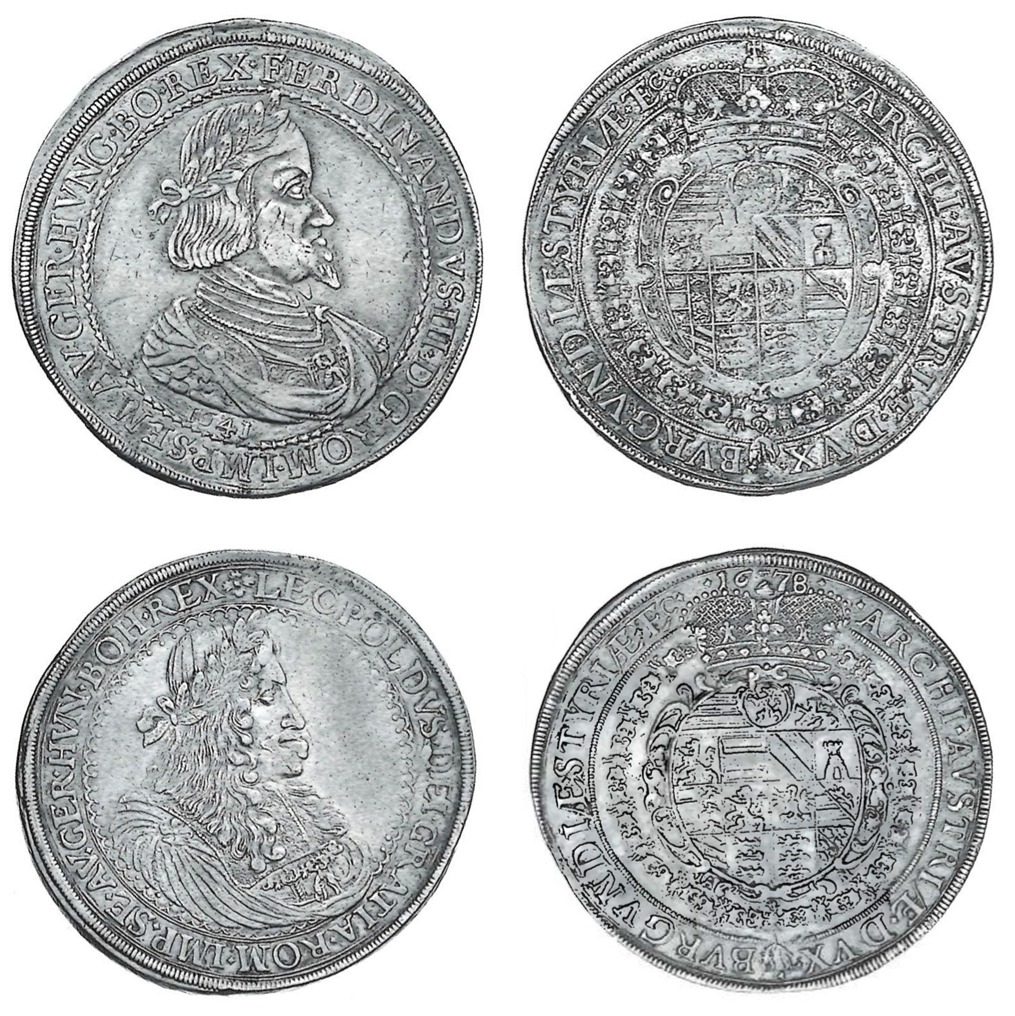



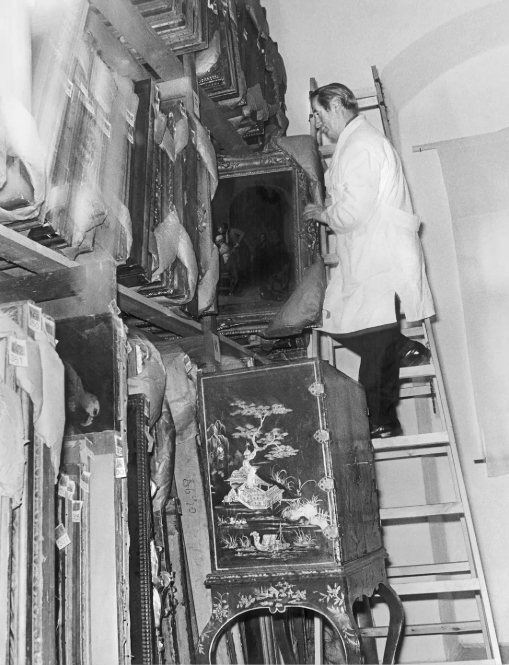


The Austrian government made limited efforts to advertise the Mauerbach works to potential claimants. Many of the owners were amongst the more than 64,000 Austrian Jews who were killed in the Holocaust. It was only in 1959 that a full list of works with descriptions was published in an Austrian newspaper, and critics pointed out that there was little global outreach despite more than 117,000 Austrian Jews having fled the country between 1938 and 1940.
Moreover, often survivors of the Holocaust did not have the resources to pursue their claims, and those who did were frequently ignored or dismissed. Just several hundred of more than 8,000 remaining looted objects were returned to their owners from 1955 to 1969. The public was not permitted inside the Mauerbach monastery where the works were stored, and much of the world remained ignorant of their existence.
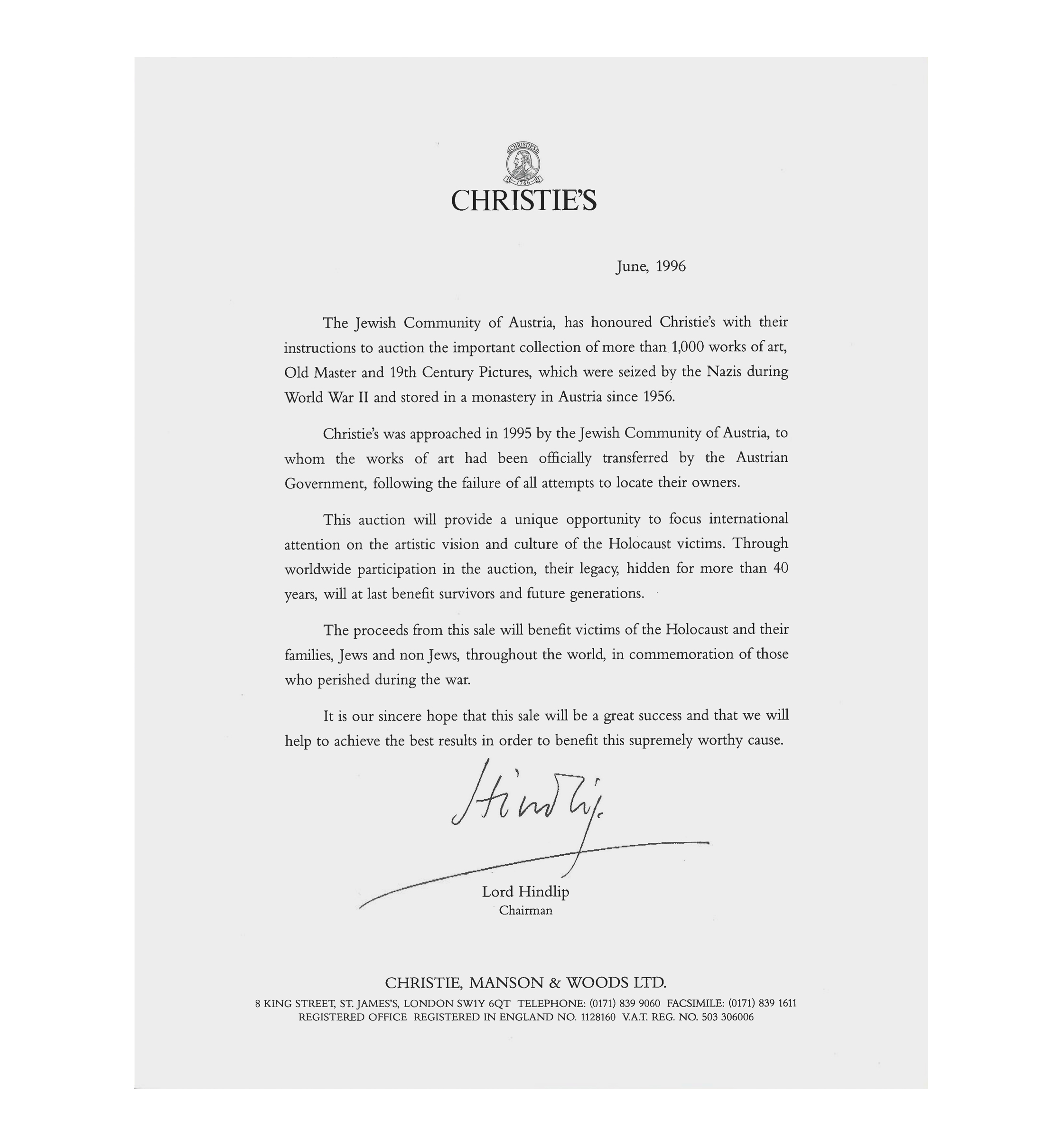
In 1995, following ongoing criticism of the insufficient efforts to return the works to their owners and under increasing pressure both within Austria and by the international community, the Austrian government unanimously voted to turn over the Mauerbach tranche to the Federation of Jewish Communities of Austria. A year later, the more than 8,000 remaining looted works, deemed heirless, were sold in the first and only auction of its kind, in which objects of art that had been seized by the Nazis were auctioned for the benefit of the victims of the Holocaust.
The rich text element allows you to create and format headings, paragraphs, blockquotes, images, and video all in one place instead of having to add and format them individually. Just double-click and easily create content.
Quote sample text
A rich text element can be used with static or dynamic content. For static content, just drop it into any page and begin editing. For dynamic content, add a rich text field to any collection and then connect a rich text element to that field in the settings panel. Voila!
Headings, paragraphs, blockquotes, figures, images, and figure captions can all be styled after a class is added to the rich text element using the "When inside of" nested selector system.

‘Pictures were not painted or sculpture made to languish in darkness…The works to be sold today are not great masterpieces, but comfortable images which graced vanished worlds. With their re-introduction into the light a poignant chapter can be closed. May those who acquire them not forget their provenance.’
The rich text element allows you to create and format headings, paragraphs, blockquotes, images, and video all in one place instead of having to add and format them individually. Just double-click and easily create content.
Quote sample text
A rich text element can be used with static or dynamic content. For static content, just drop it into any page and begin editing. For dynamic content, add a rich text field to any collection and then connect a rich text element to that field in the settings panel. Voila!
Headings, paragraphs, blockquotes, figures, images, and figure captions can all be styled after a class is added to the rich text element using the "When inside of" nested selector system.
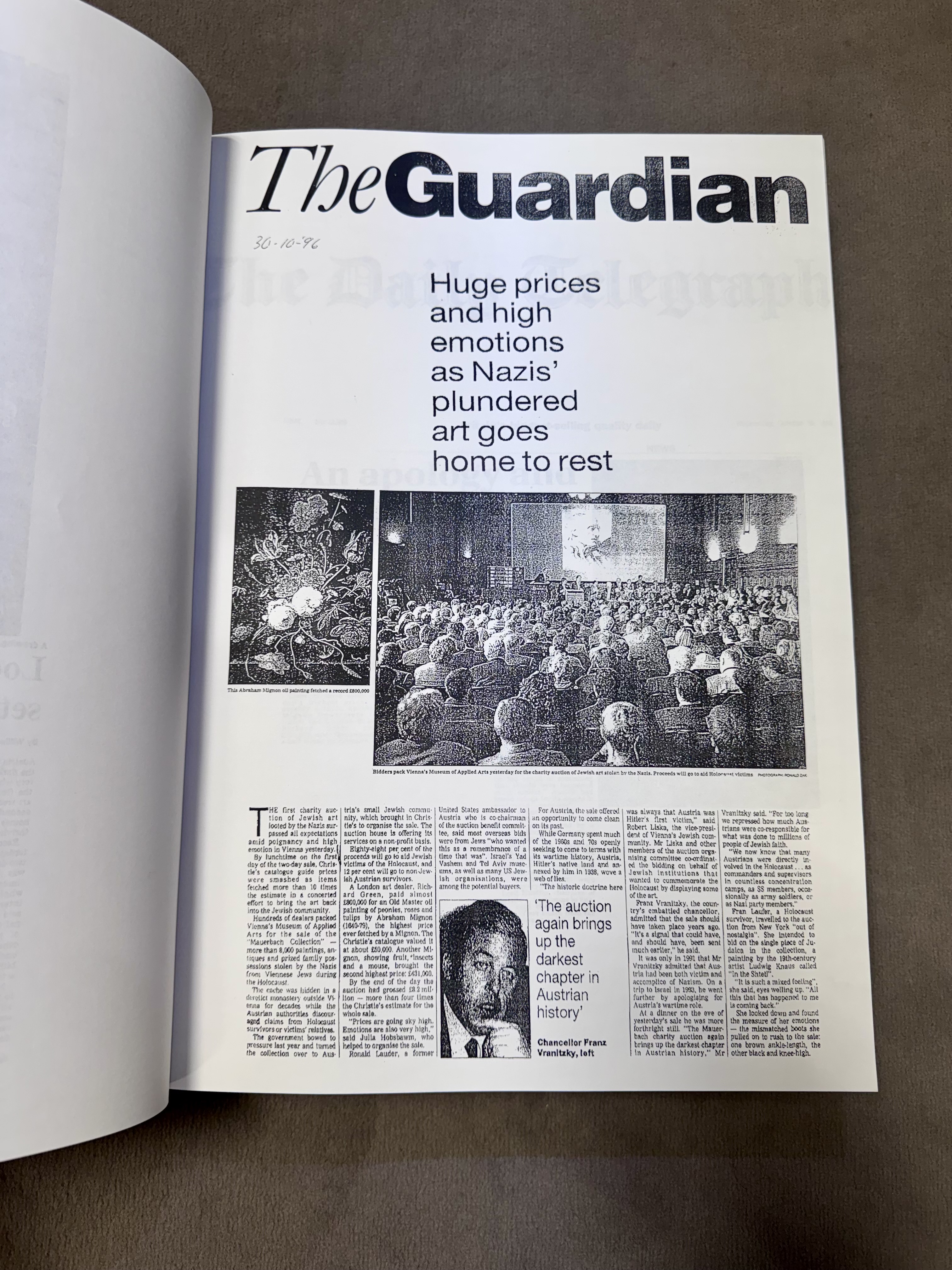
Conducted by Christie’s on a non-profit basis on behalf of the Federation of Jewish Communities of Austria, the Mauerbach benefit auction took place at the Museum für Angewandte Kunst (MAK) Vienna on 29 and 30 October 1996. All proceeds went to survivors of the Holocaust and the families of victims. It was the first time many of these items had seen the light of day in more than 50 years.
In preparation for the sale, the auction house appraised every item and printed thousands of catalogues to circulate worldwide. It was the first time photographs of the works had been disseminated. Claims were encouraged and additional works were successfully restituted in the leadup to the auction.
Over two days the sale welcomed more than 1,000 bidders in the room and via telephone. The auction far surpassed its estimate of $3.5 million, achieving a total of $14.5 million, all of which went directly to the needs of Holocaust survivors and the heirs of victims. A number of the buyers donated items they purchased at the auction to synagogues and other Jewish institutions.
The Mauerbach sale brought global attention to the legacy of Nazi plunder and the need to identify and return stolen works circulating in the art market. Two years later, in 1998, representatives from 44 countries together with participants from NGOs and observers from the art market gathered at a conference in Washington DC and established the Washington Principles. The set of 11 guidelines provided a framework for nations to respond to issues of unresolved restitution and to return Nazi-confiscated property.
Since then, the fight for the return of looted cultural property to its rightful owners continues. The Mauerbach sale was not without critics who asked why more wasn’t done to find the works’ original owners, many of whom have since been identified. These critical questions are essential to the ethical conversations and debates from which policy evolves.
With the end of the Cold War, blocked avenues to research were opened. The Washington Principles established national policies that guided museums and public institutions to open archives, invest resources and identify lost works and their previous owners. New legislation and infrastructure, technological advancements and the digitisation of important archives have aided researchers, scholars and legal professionals in the field of art restitution and made it possible for more heirs to claim their families’ confiscated possessions.
‘While this sale closes a chapter as far as the fate of the Mauerbach property is concerned, as the first international auction of works handed back to a Jewish community it marks a very significant step in the wider issue of restitution.’
Barry James, “Art Looted by Nazis to be Auctioned in Austria”, New York Times, 15 October 1996, https://www.nytimes.com/1996/10/15/style/IHT-art-looted-by-nazis-to-be-auctioned-in-austria.html?eafs\_enabled=false (ACCESSED 24 July 2026).
Chantal McStay, “Hidden for decades, the stolen Mauerbach works brought attention to Nazi-era art theft”, https://www.christies.com/zh/stories/mauerbach-benefit-sale-restitution-33b51268dbd9441aab9f07218b9b69ee (ACCESSED 14 JULY 2026).
Sale Catalogue, Mauerbach Benefit Sale on Behalf of the Federation of Jewish Communities of Austria; Christie's Vienna, 29-30 October 1996.
Lorem ipsum dolor sit amet, consectetur adipiscing elit, sed do eiusmod tempor incididunt ut labore et dolore magna aliqua. Ut enim ad minim veniam, quis nostrud exercitation ullamco laboris nisi ut aliquip ex ea commodo consequat. Duis aute irure dolor in reprehenderit in voluptate velit esse cillum dolore eu fugiat nulla pariatur.
Block quote
Ordered list
Unordered list
Bold text
Emphasis
Superscript
Subscript
The rich text element allows you to create and format headings, paragraphs, blockquotes, images, and video all in one place instead of having to add and format them individually. Just double-click and easily create content.
A rich text element can be used with static or dynamic content. For static content, just drop it into any page and begin editing. For dynamic content, add a rich text field to any collection and then connect a rich text element to that field in the settings panel. Voila!
Headings, paragraphs, blockquotes, figures, images, and figure captions can all be styled after a class is added to the rich text element using the "When inside of" nested selector system.