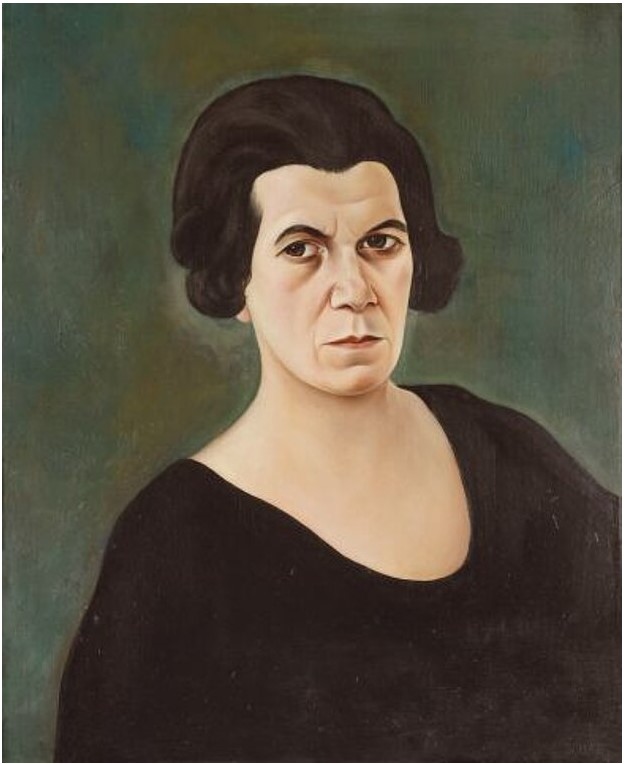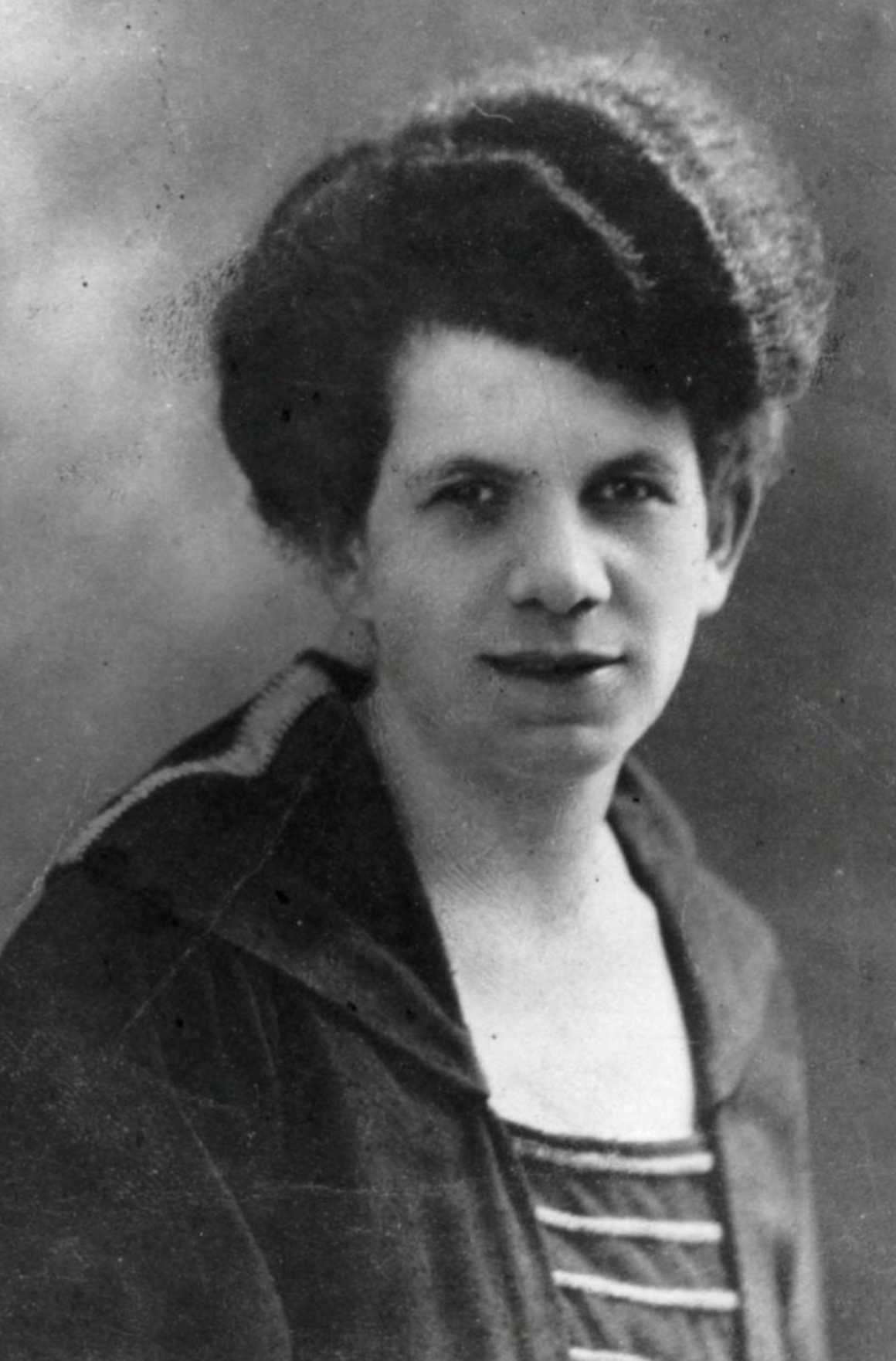
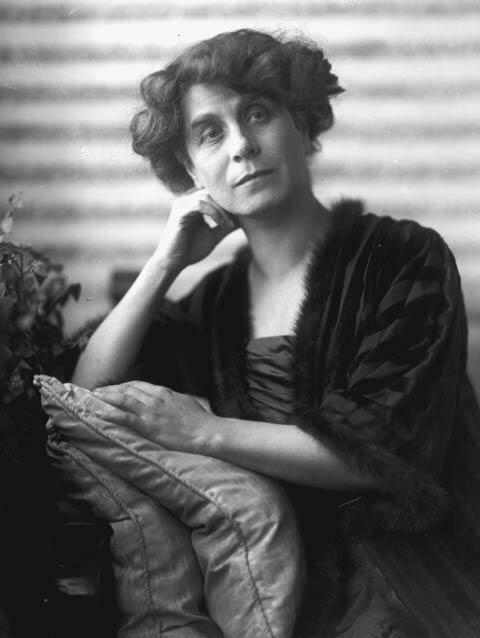
After the end of the First World War, Lea Bondi [Fig. 2] and her Würthle Gallery were among Vienna’s leading institutions, along with Galerie Miethke, the Salon Pisko and the Neue Galerie promoting the Austrian, French and German avant-garde.
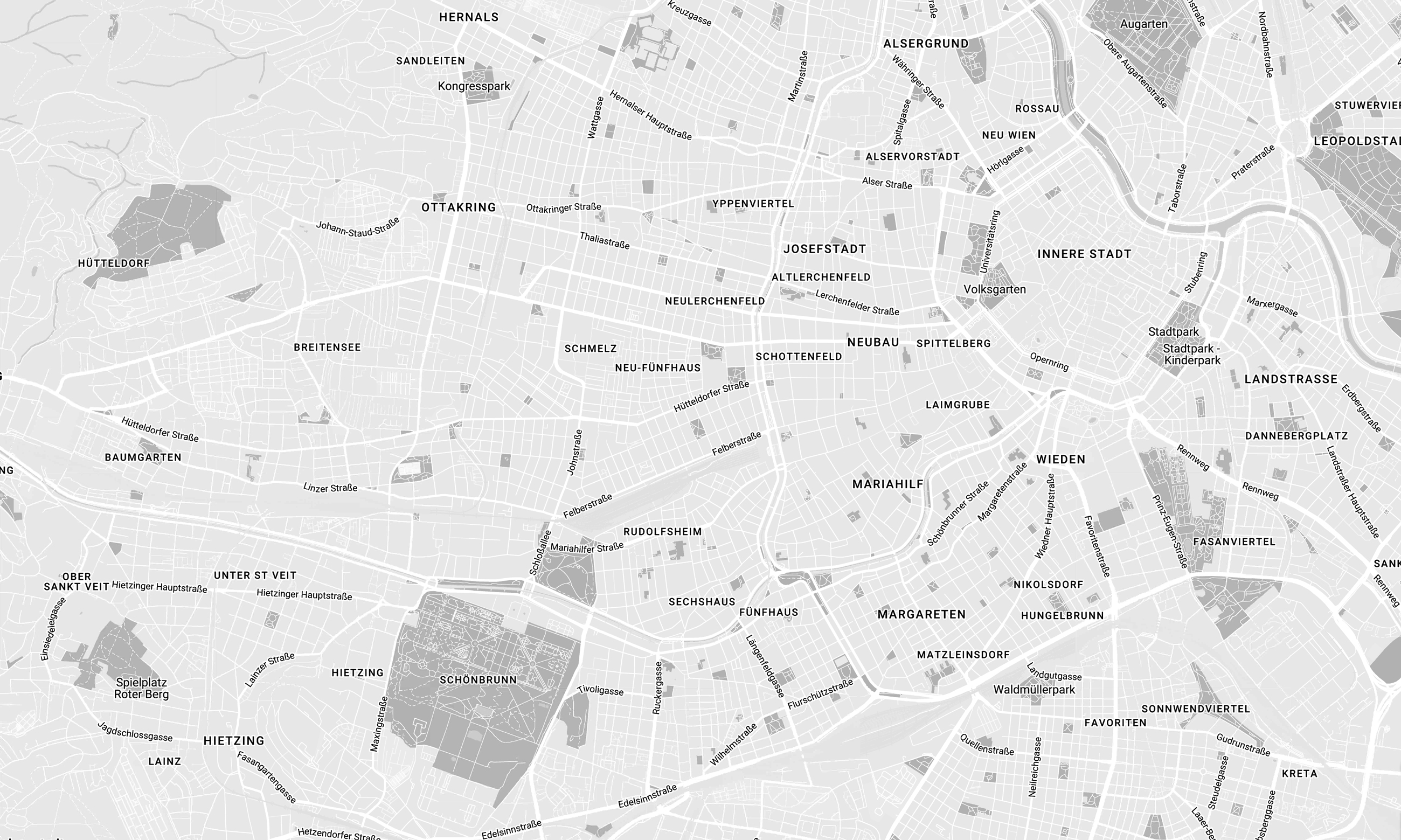
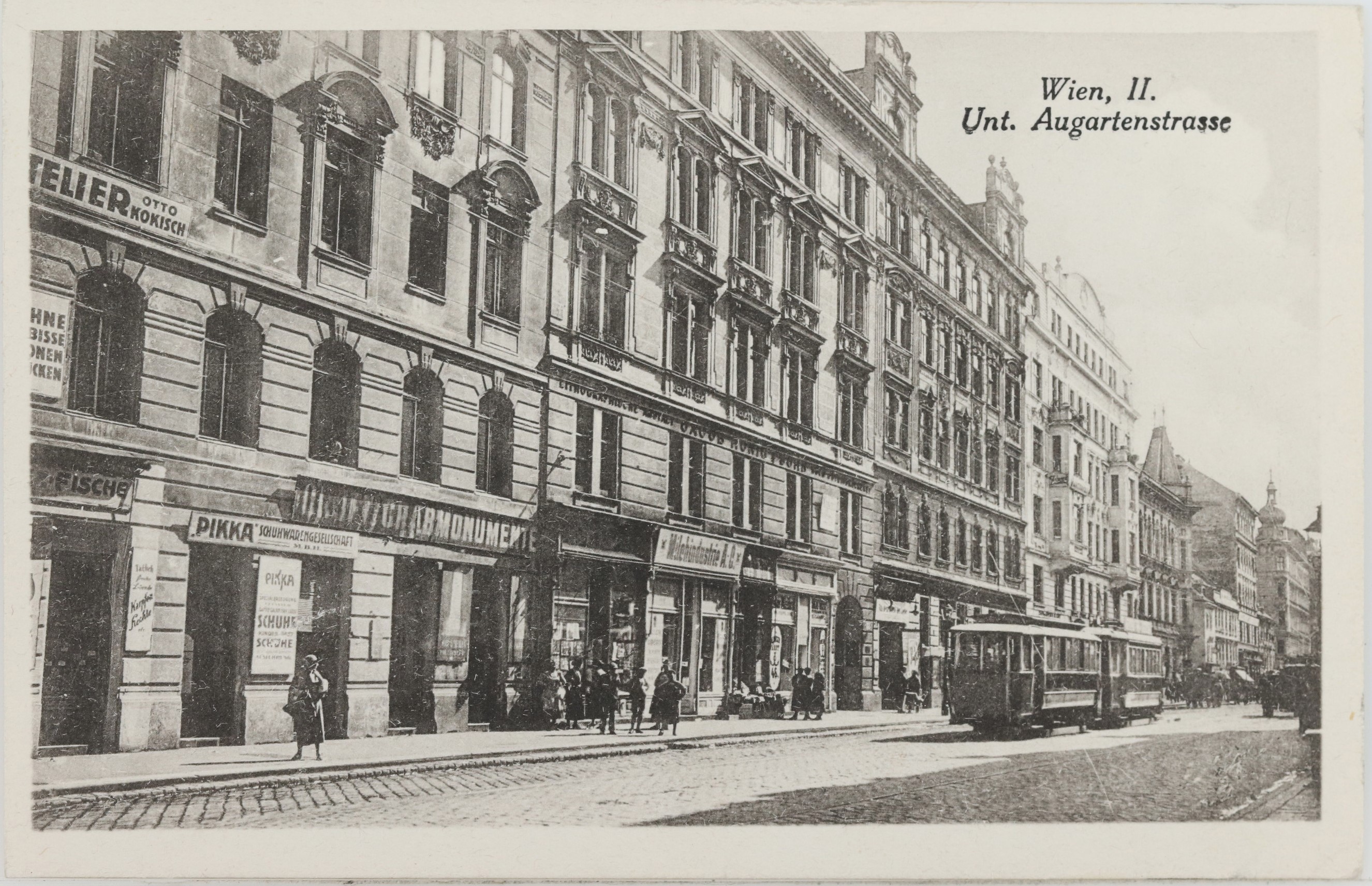
Lea Bondi (1880-1969) was born into a large Jewish family from Mainz, Germany. Shortly after she was born, her family moved to Vienna and settled on Untere Augartenstrasse 38 [Fig. 3]. It is in Vienna where her life in the arts would take shape.
In 1919, Bondi became authorized signatory of the art dealership Würthle & Sohn Nachfolger at Weihburggasse 9 [Fig 4].

While Bondi concentrated on the art market, the company grew in scope. In 1920, Otto Nirenstein (1894-1978, later Kallir) expanded operations to include the publishing of graphic and modern art under the moniquer Verlag Neue Graphik. That same year, Luise Kremlacek (1904-1990) joined the company to assist operations. In 1922, Nirenstein departed the Würthle Gallery and began his own business shortly after: the Neue Galerie.
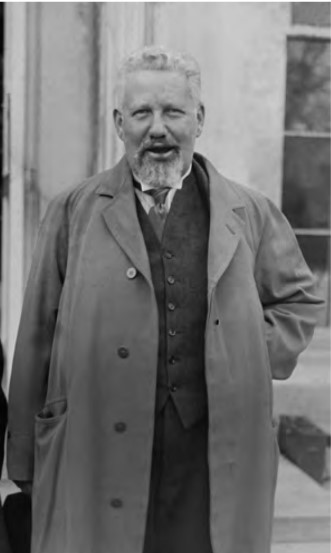
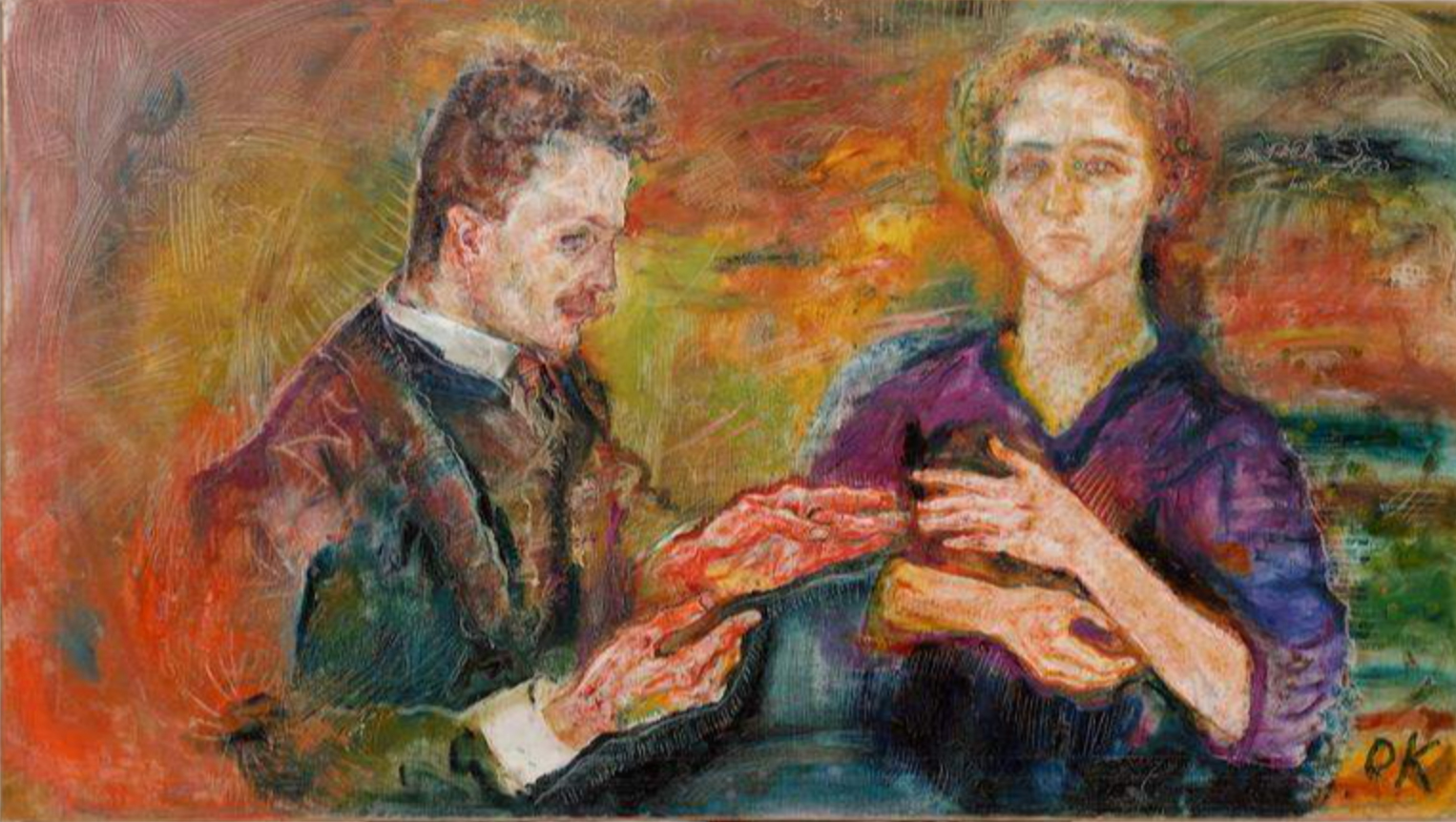
Afterward, Würthle Gallery was converted into a general partnership and Bondi became a partner along with the owners Leopoldine and Ulf Seidl. Her stewardship continued and in 1924, she was appointed managing director. When the Seidls retired in 1926, she became the sole owner. From 1920 to 1938, the revue theatre Moulin Rouge [Fig. 5] was located around the corner at Liliengasse 3 where Fritz Grünbaum (1880-1941) [Fig. 6], collector of Egon Schiele [Fig. 6a] was one of the two artistic directors.
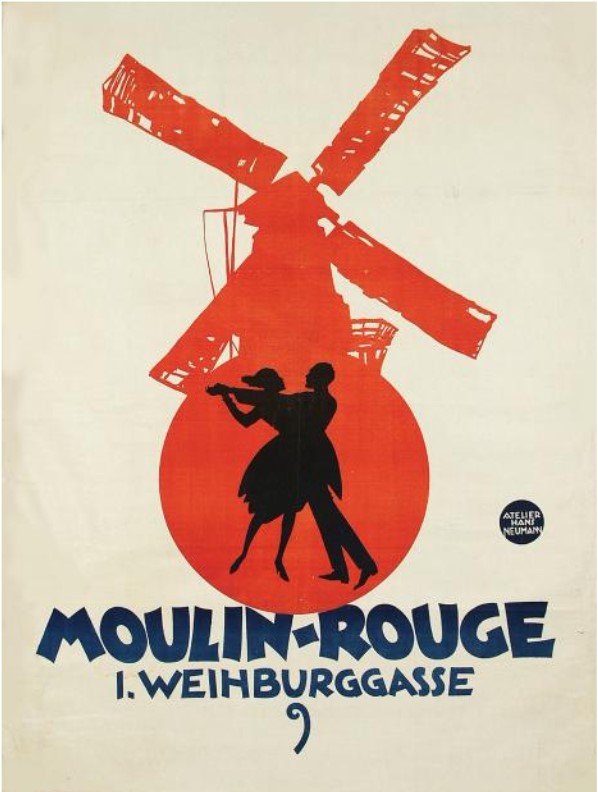


Beyond their proximity, a mutual interest in Schiele’s work brought Bondi and Grünbaum to each other’s attention. A collector in his own right, Grünbaum loaned 22 works on paper to the Würthle for its Schiele exhibition.
By now, Lea’s role in Vienna’s cultural scene was well established, and in 1923, she was named to the newly founded Society for the Promotion of Modern Art (Gesellschaft zur Förderung Moderner Kunst). An organization whose aim was “to re-establish the link between Vienna’s art scene and the major international art movements”. Her peers included Dr. Hermann Eissler (1860-1953) and the organizations driving forces, the society were Dr. Hans Tietze (1880-1954), head of the print department at the Albertina and his wife, the art historian, Dr. Erica Tietze-Conrat (1883-1958). [Fig. 7]
‘It is therefore once again necessary to counteract the provincialization of Vienna by bringing together willing intellectual forces. For the time being, two things appear to be the most urgent priorities for the new patrons of contemporary art. These are: to finally offer Vienna the opportunity once more to engage with European art. Closely intertwined with this is the second task: the vigorous endeavour to seek out and discover local talent and the pursuit of truth within the country, and to foster their undisturbed development, just as this once shaped the artistic profile of an era – proudly, uniquely and yet humbly – during times of intense patronage.’
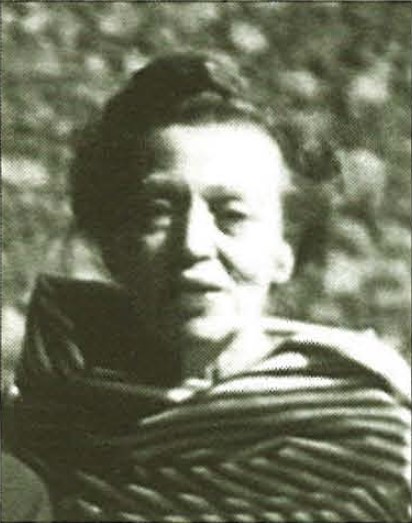
Berta Zuckerkandl (1864-1945) [Fig. 8] was a journalist, and a famous Viennese salon hostess who fought for the recognition of modern Austrian art, for a cultural and political dialogue between Austria and France.
Lorem ipsum dolor sit amet, consectetur adipiscing elit, sed do eiusmod tempor incididunt ut labore et dolore magna aliqua. Ut enim ad minim veniam, quis nostrud exercitation ullamco laboris nisi ut aliquip ex ea commodo consequat. Duis aute irure dolor in reprehenderit in voluptate velit esse cillum dolore eu fugiat nulla pariatur.

Block quote
Ordered list
Unordered list
Bold text
Emphasis
Superscript
Subscript





‘In the evening at Miss Bondi’s (Würthle) in Leopoldstadt. (…). Alongside the wittily grotesque city-dweller Flechtheim, who was ‘invited’, it was a sensation.’
Erica Tietze-Conrat was a strong supporter of contemporary art in Vienna. Along with her husband Hans [Fig. 7], she served as an advisor to the MFAA (Monuments, Fine Arts, and Archives Section Unit) following World War II.
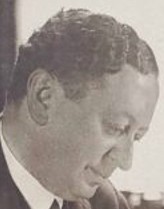
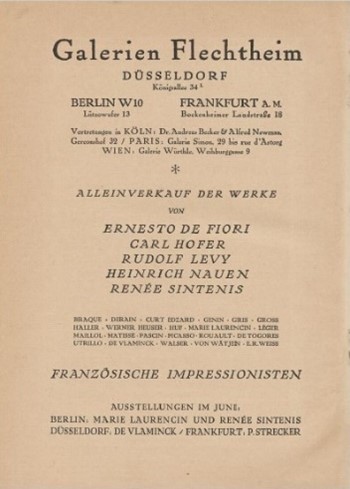
In the summer of 1923, Bondi reached an agreement with Alfred Flechtheim (1878-1937) [Figs. 9, 11b] whereby the Würthle Gallery would act as his representative in Austria for his German and French artists.
Exhibitions of works by George Grosz, Karl Hofer, Hermann Haller and Renée Sintenis were planned, followed by a show featuring Henri Matisse, André Derain, Maurice Vlaminck, Pablo Picasso, Georges Braque and Marie Laurencin. In return, Flechtheim would organize exhibitions of Austrian artists in his gallery spaces in Berlin, Frankfurt, Cologne and Düsseldorf and promote them in his legendary art magazine Der Querschnitt.
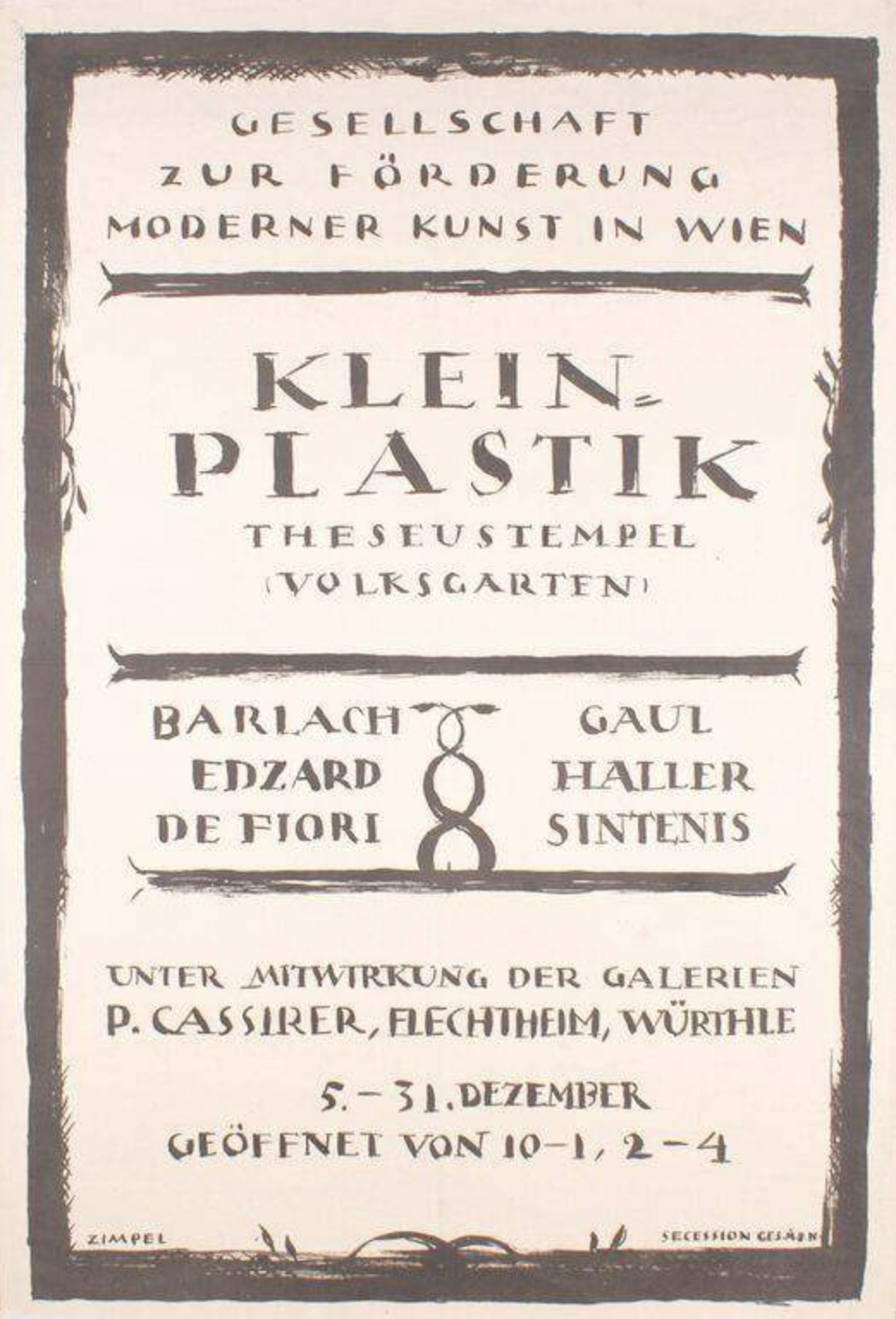
In December 1923, in cooperation with the Society for the Promotion of Modern Art (Gesellschaft zur Foerderung moderner Kunst) and P. Cassirer, Bondi staged the exhibition ‘Kleinplastik’. [Fig. 10] at the Theseustempel at the Volksgarten next to the legendary Burgtheater.
Bondi and Flechtheim sold four sculptures to the Belvedere in Vienna: Haller’s portrait of Flechtheim [Fig. 11a], Sintenis’s self-portrait [Fig. 11b], a bronze donkey [Fig. 11c] and the portrait of the poet Joachim Ringelnatz [Fig. 11d] which was debuted at Flechtheim’s opening exhibition at Würthle.
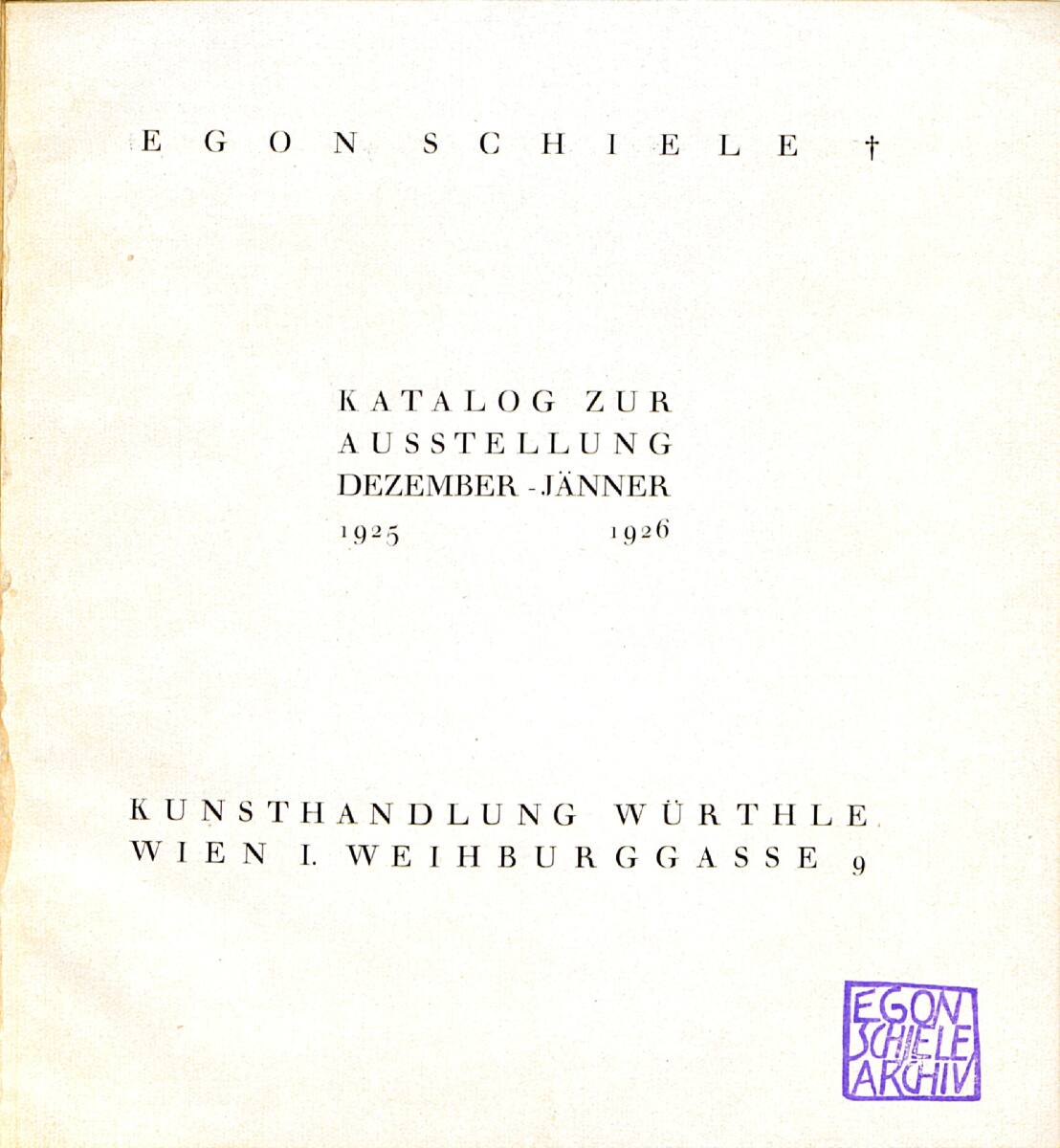
Two years later, in the winter of 1925–26, the Würthle Gallery organized a retrospective of Schiele’s work [Fig. 12] featuring 143 pieces across all media.
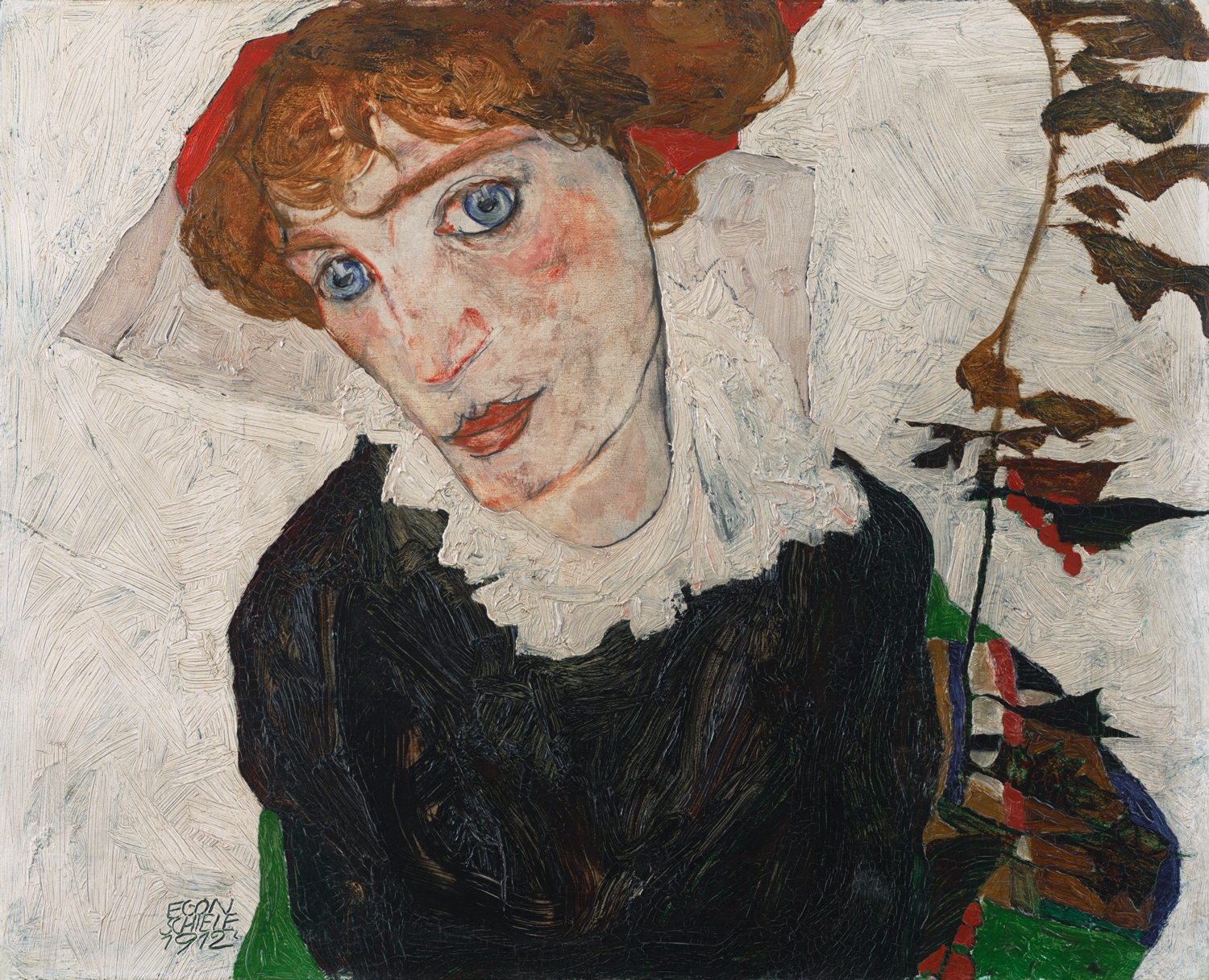
The majority of which were loaned by prominent Schiele collectors such as Fritz Grünbaum, Dr. Heinrich Rieger (1868-1942) and Arthur Roessler. Pieces included Knabe in Matrosenanzug (Sitzender Knabe, cat. no. 84) [Fig. 1]. Bondi herself lent Weibliches Bildnis mit Blumenranke, e.g. Portrait of Wally from her private collection (cat. no. 18)
‘Dear L.B.,
You had the idea of bringing together previously unknown or little-known works by Egon Schiele from carefully curated private collections for a public exhibition, and of inviting me to write a foreword for the catalogue (...). (...) In doing so, you proceeded from the assumption that the perseverance which is as essential to the artist as it is to the thinker can also be useful to the art dealer, who in his actions does not focus solely on merits whose benefits are all too obvious. In other words: they share my view that a single person with new ways of feeling, thinking and willing is always regarded as a fool by the masses, but that with just two people, courage and confidence begin, and with more, truth and wisdom—and their gradual recognition.’
In 1909, Arthur Roessler (1877-1955) discovered Egon Schiele and promptly introduced him to Vienna’s artistic community. This entrée into Viennese cultural circles secured his first commissions. Roessler’s own collection of Schiele’s pieces would later form the basis of the Wien Museum’s holdings.
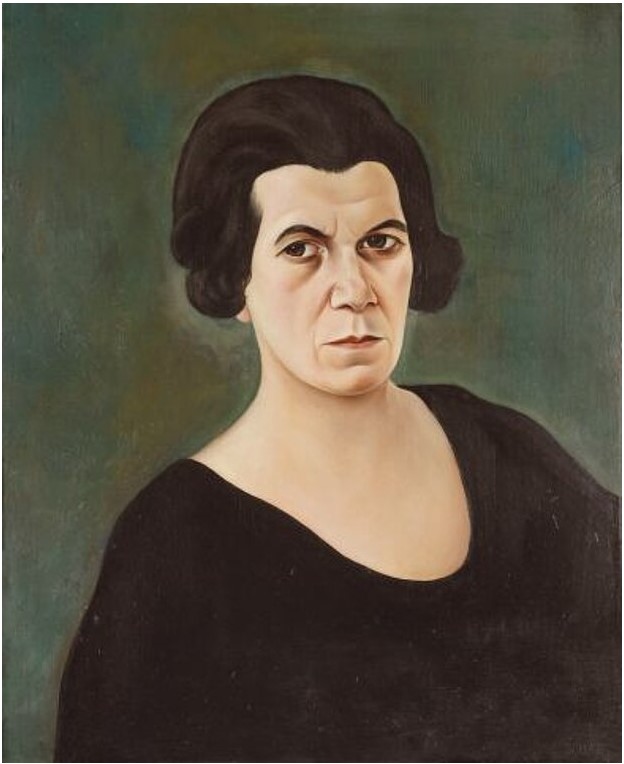
Christian Schad (1894-1982), a representative of New Objectivity (Neue Sachlichkeit) who had been living in Vienna since 1925, painted Bondi’s portrait in 1927 [Fig. 14], when she organized an exhibition of his works at her gallery in February of that year. The response in the press was modest; regarding the portraits, it was noted: "The essential, expressive features of the subjects are rendered in a smooth and overly clear manner." (Arbeiter-Zeitung, 16 February 1927).
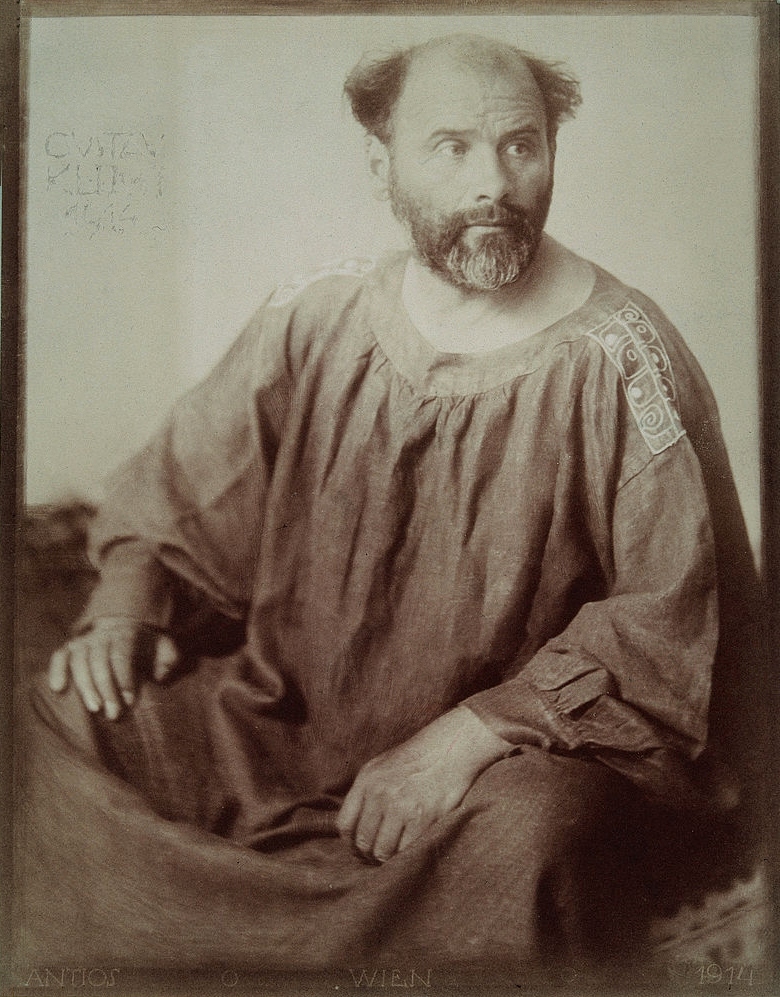
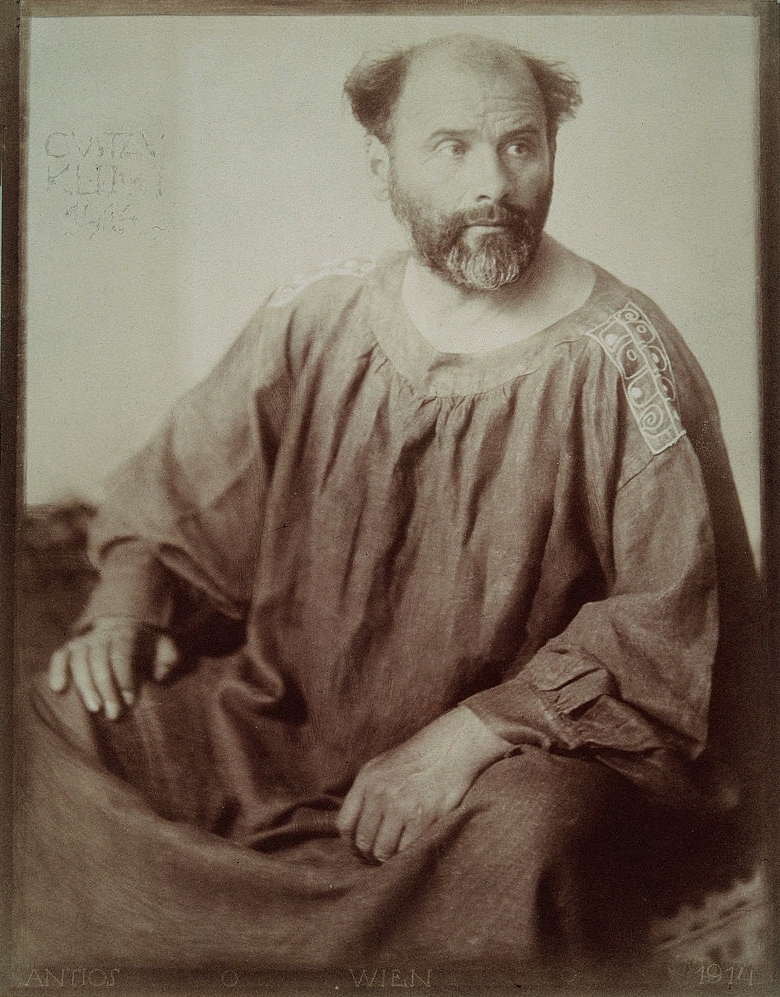
Between 1920 and 1933, the Würthle Gallery organized nearly 100 exhibitions featuring works by Austrian artists such as Gustav Klimt, Ludwig Heinrich Jungnickel, Oskar Laske, Albert Paris Gütersloh and Carry Hauser, to name a few. Bondi occasionally dedicated space to French art, showcasing works by Maurice de Vlaminck or contemporary Parisian painters: Aristide Maillol, Marie Laurencin and Marc Chagall. Her impressive roster of artists made one thing absolutely clear: she had created a cultural touchpoint in Vienna.
The rich text element allows you to create and format headings, paragraphs, blockquotes, images, and video all in one place instead of having to add and format them individually. Just double-click and easily create content.
Quote sample text
A rich text element can be used with static or dynamic content. For static content, just drop it into any page and begin editing. For dynamic content, add a rich text field to any collection and then connect a rich text element to that field in the settings panel. Voila!
Headings, paragraphs, blockquotes, figures, images, and figure captions can all be styled after a class is added to the rich text element using the "When inside of" nested selector system.
In 1936, Bondi married the sculptor Alexander Jaray (1870-1943). Three years later, the couple emigrated to London following the annexation of Austria by the German Reich in 1938. The Würthle Gallery, like so many Jewish institutions and businesses, was taken over and “aryanized" by the Salzburg based art dealer Friedrich Welz (1903-1980) [Fig. 15].
It was then renamed Welz Gallery. Kremlacek, who joined the gallery in 1920, was appointed manager. As Bondi-Jaray recalled in a 1966 letter, Welz not only robbed her of the gallery, but of her Schiele painting, Portrait of Wally, that hung in her home. Amidst the turmoil of the annexation and Welz’s threatening persistence for her to give it up, she relented. Having fled to London, Bondi-Jaray continued her commitment to the arts. In 1943, with Würthle shareholder Otto Brill (1881-1954) she took over St. George’s Gallery from Rowland Howell (1881-1956). The gallery became a meeting point for the German-speaking protagonists of the London art market. And, of course, for other emigrants such as the artist and poet Oskar Kokoschka.
St. George’s Gallery became known for giving women and lesser-known artists a foothold in the art world. That commitment and the gallery’s impact underscored the importance of emigrant networks in the wake of World War II.
When the Nazis and their allies were defeated in 1945, Welz was arrested and subsequently sent to a camp for war criminals until 1947. In 1948, the gallery was restituted back to Bondi-Jaray, and the Würthle name was restored. [Fig. 16]. The Schiele portrait that was stolen from her home, however, was mistakenly restored to the heirs of another victimized Schiele collector, Dr. Heinrich Rieger. The Rieger heirs then sold Wally to the Oesterreichische Galerie. From there, it was acquired by the Leopold Museum in exchange. Even so, Bondi-Jaray never stopped fighting for the return of Wally, up until her death in 1969. Her family took up the cause and finally, in July 2010 an agreement was reached between the Leopold Museum to compensate her heirs for the theft of the portrait. [Fig. 17]
The Würthle Gallery, under the care of Kremlacek until her retirement in 1982, ceased operations in 1995.
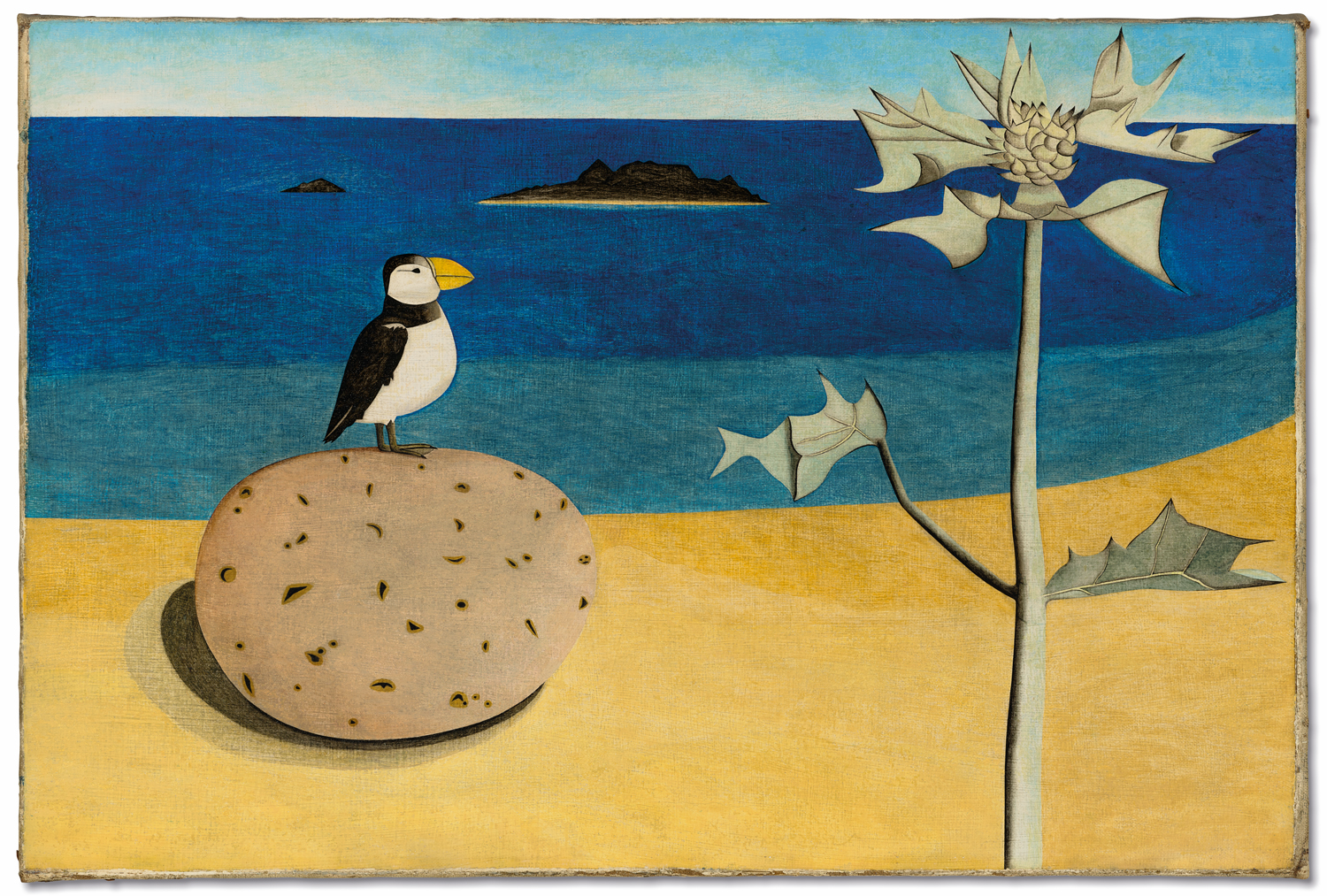
Lea Bondi-Jaray [Fig. 2, 14] is best known for the Wally case, which, after a twelve-year legal battle, not only led to a settlement between her heirs and the Leopold Museum but also marked a turning point in Austrian restitution policy. Lea Bondi-Jaray’s legacy, however, extends far beyond this: in Vienna, she championed modern art and its visibility; after successfully fleeing to London, she continued her work as a promoter of contemporary art there and brought Austrian as well as British artists like Lucian Freud (1922-2011) - the grandson of Sigmund Freud (1856-1939) who emigrated from Vienna to London on 15 March 1938 - to the attention of the British public and exhibited his work Scillonian Beachscape at St. George's Gallery in 1947. It was sold at Christie's in 2023 . [Fig. 18]
Lexikon der österreichischen Provenienzforschung https://www.lexikon-provenienzforschung.org/en/
Maximilian Kaiser. Wiener Ansichten zur Kunst der Avantgarde. Geschichte, Netzwerk und Diskurs der Kunstkritik zu Beginn des 20. Jahrhunderts, Wien, Hamburg, 2020.
Christian Huemer Paris – Vienna. Modern Art Markets and the Transmission of Culture, 1873-1937. Dissertation, NYU, 2013.
Katinka Gratzer-Baumgärtner, Kunsthandel in Wien und Berlin im ersten Drittel des 20. Jahrhunderts: Kontakte, KünstlerInnen, Kooperationen, in: Wien-Berlin. Kunst zweier Metropolen von Schiele bis Grosz, München, 2013, pp 108-111.
Erica Tietze-Conrat. Tagebücher (1923-1926), Band I: Der Wiener Vasari. Ed. by Alexandra Caruso, Wien, Köln, Weimar, 2015, pp 62-63.
Monika Mayer (10/11/2021), WELZ Friedrich Maximilian (DE) in Répertoire des acteurs du marché de l'art en France sous l'Occupation, 1940-1945, RAMA (FR) - INHA, http://agorha.inha.fr/detail/91 (Consulté le 29/05/2026).
ANNO _A_ustrian _N_ewspaper _O_nline) : Austrian National Library’s virtual newspaper reading room https://anno.onb.ac.at/
Berta Zuckerkandl, in: Neues Wiener Journal, 22.4.1923, pp 4-5
Arthur Roessler, in: Egon Schiele, exhibition catalogue, Würthle Gallery, Vienna, 1925-26.
Lorem ipsum dolor sit amet, consectetur adipiscing elit, sed do eiusmod tempor incididunt ut labore et dolore magna aliqua. Ut enim ad minim veniam, quis nostrud exercitation ullamco laboris nisi ut aliquip ex ea commodo consequat. Duis aute irure dolor in reprehenderit in voluptate velit esse cillum dolore eu fugiat nulla pariatur.
Block quote
Ordered list
Unordered list
Bold text
Emphasis
Superscript
Subscript
The rich text element allows you to create and format headings, paragraphs, blockquotes, images, and video all in one place instead of having to add and format them individually. Just double-click and easily create content.
A rich text element can be used with static or dynamic content. For static content, just drop it into any page and begin editing. For dynamic content, add a rich text field to any collection and then connect a rich text element to that field in the settings panel. Voila!
Headings, paragraphs, blockquotes, figures, images, and figure captions can all be styled after a class is added to the rich text element using the "When inside of" nested selector system.