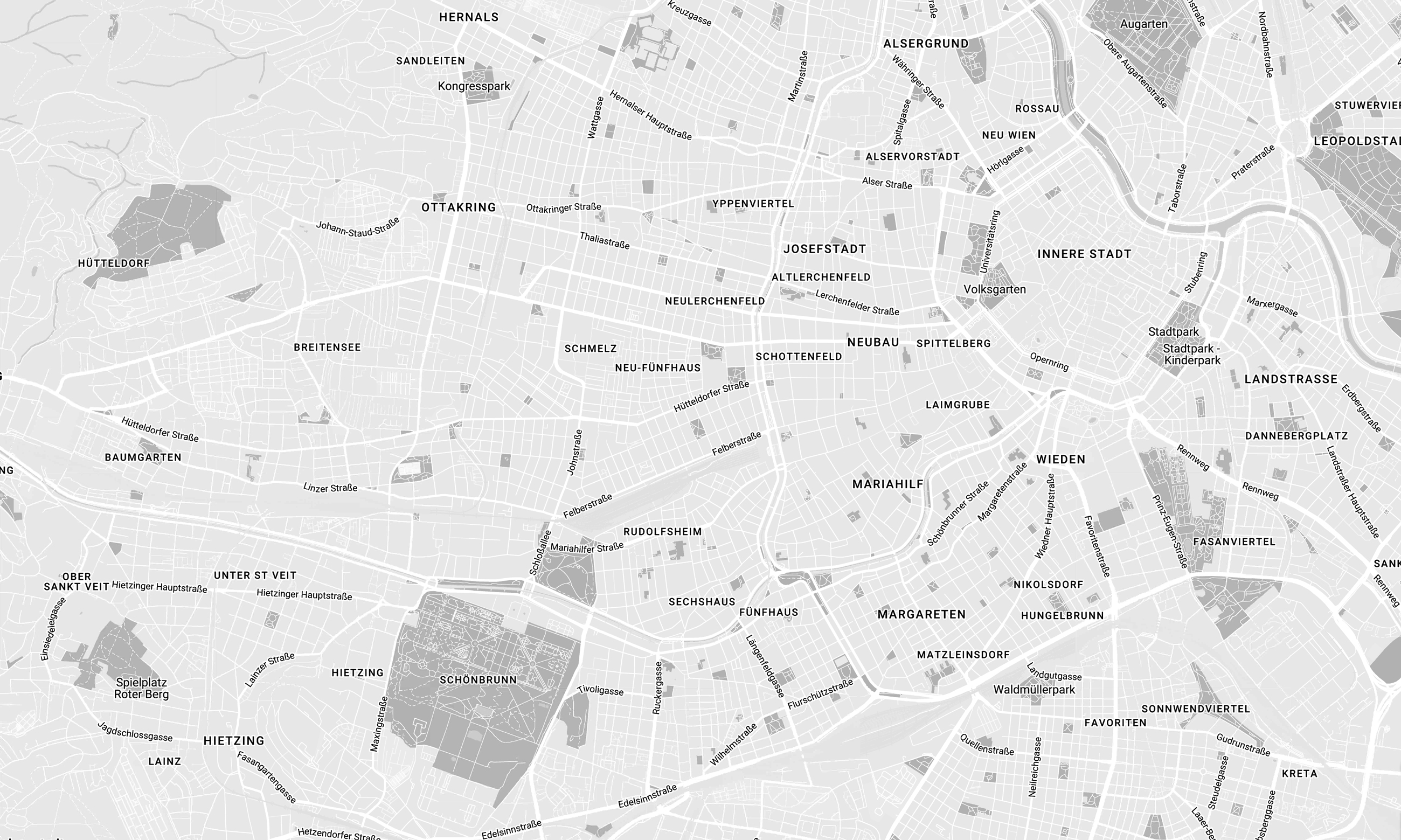
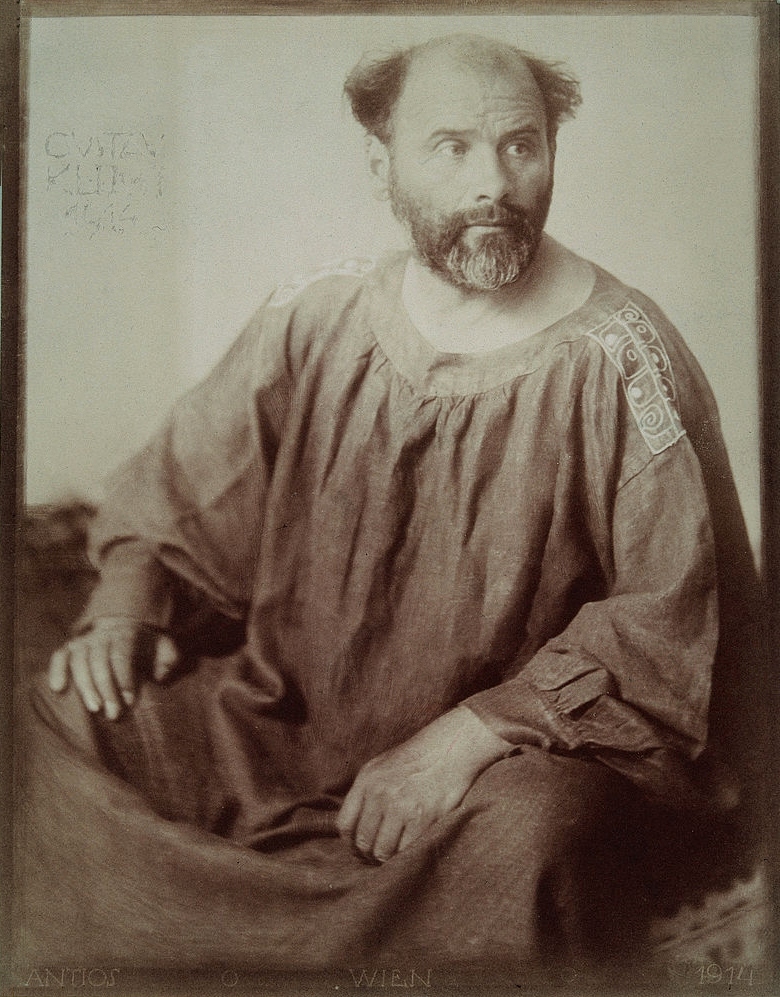
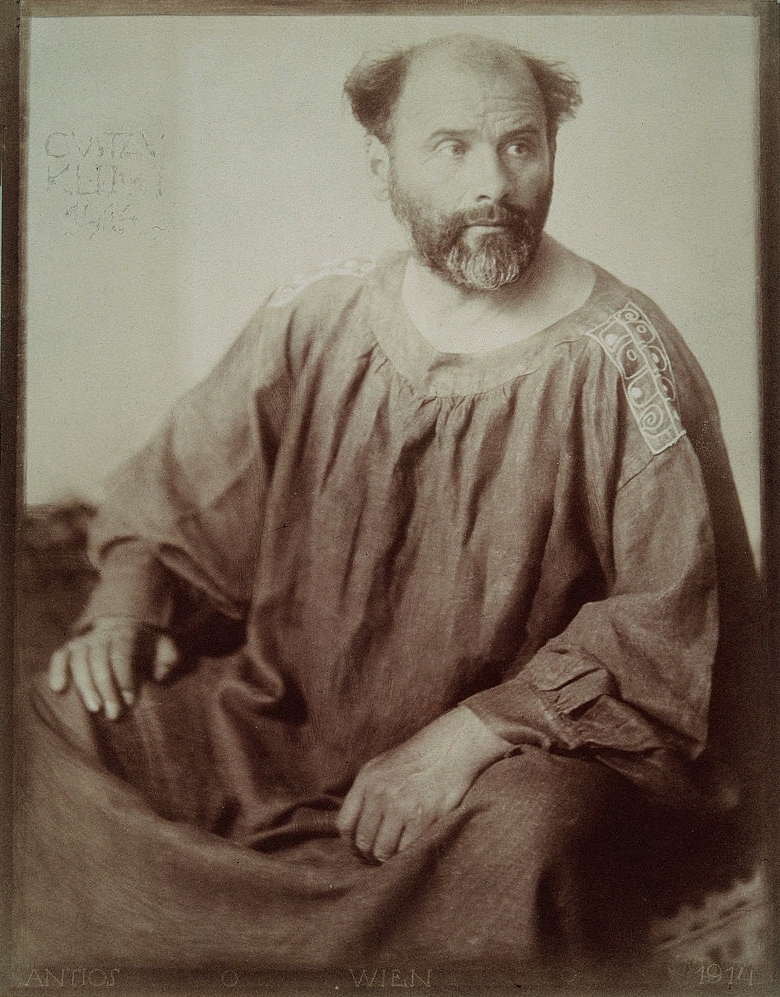
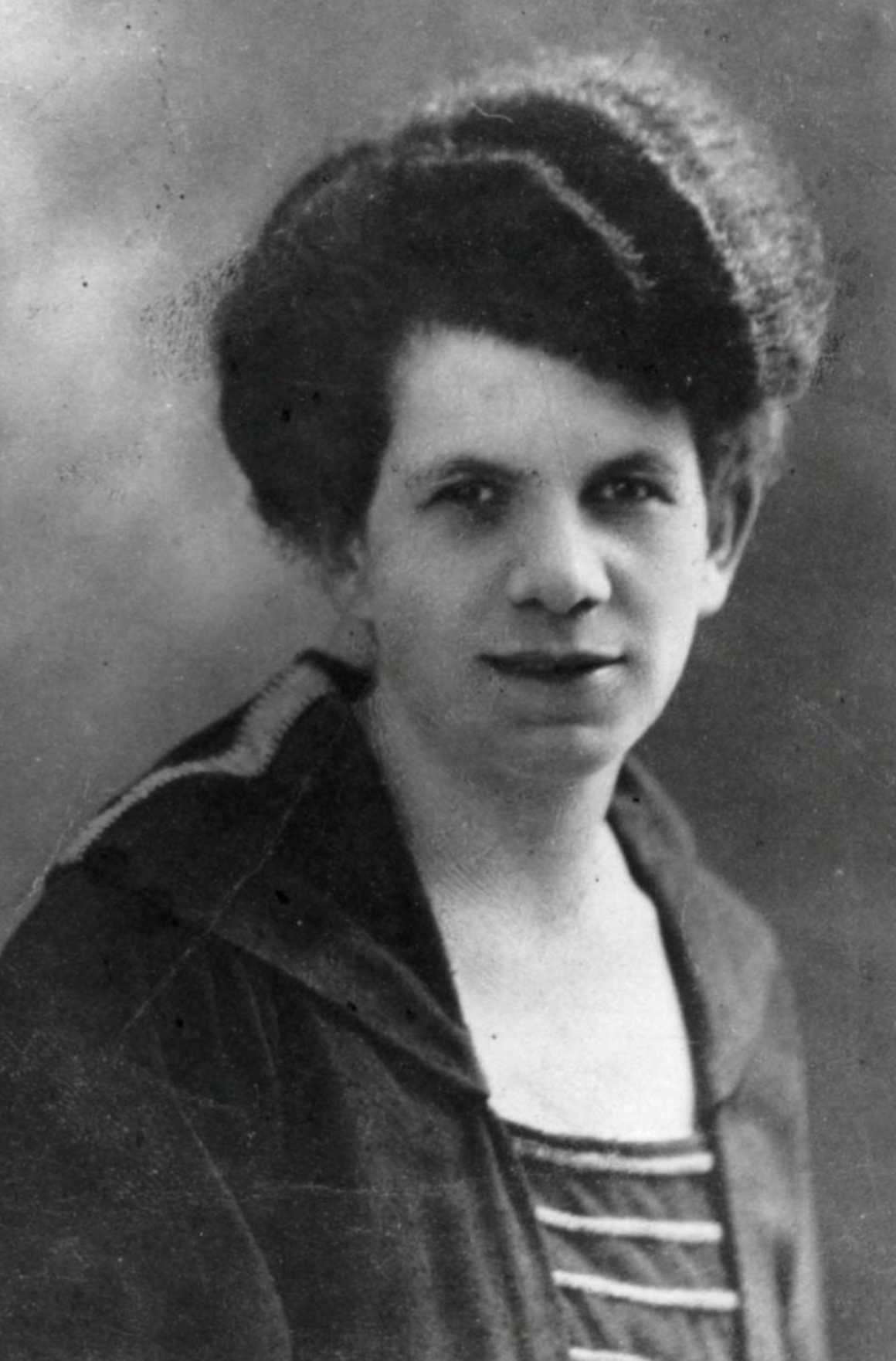
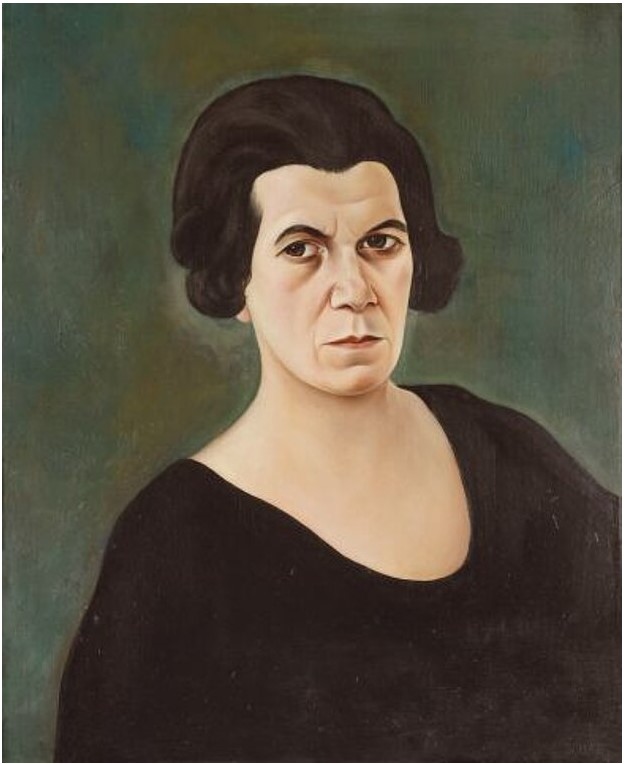
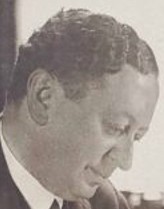
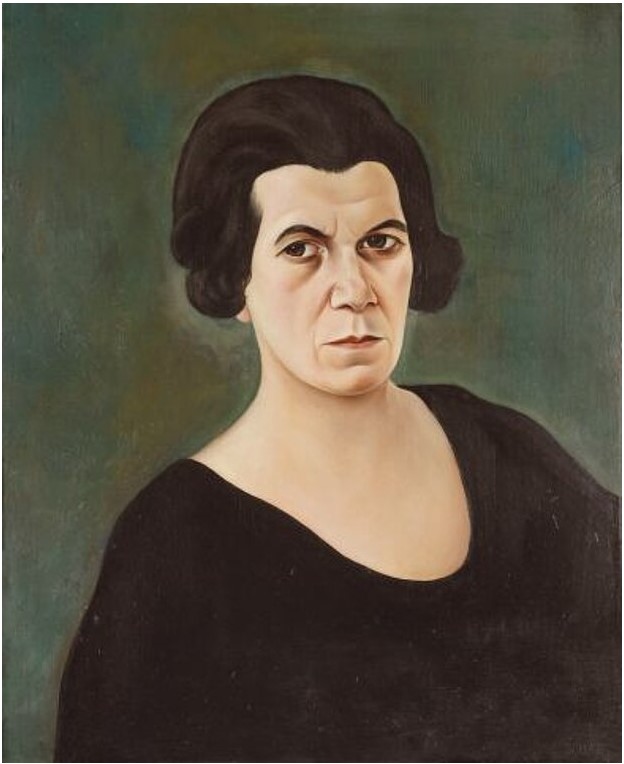
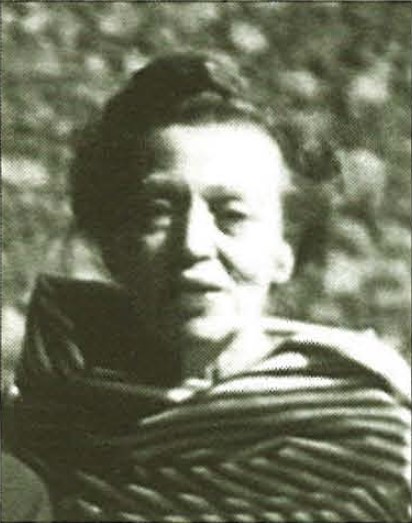
Julius (1870-1955) and Camilla Priester’s (née Robitschek, 1885-1962) elegant apartment in the heart of Vienna displayed over 80 fine Italian and Dutch Old Master and 19th-century paintings in every room, evoking the refinement and confidence of pre-war Vienna and the Priesters’ own clear sense of taste and style. [Fig.1-3]

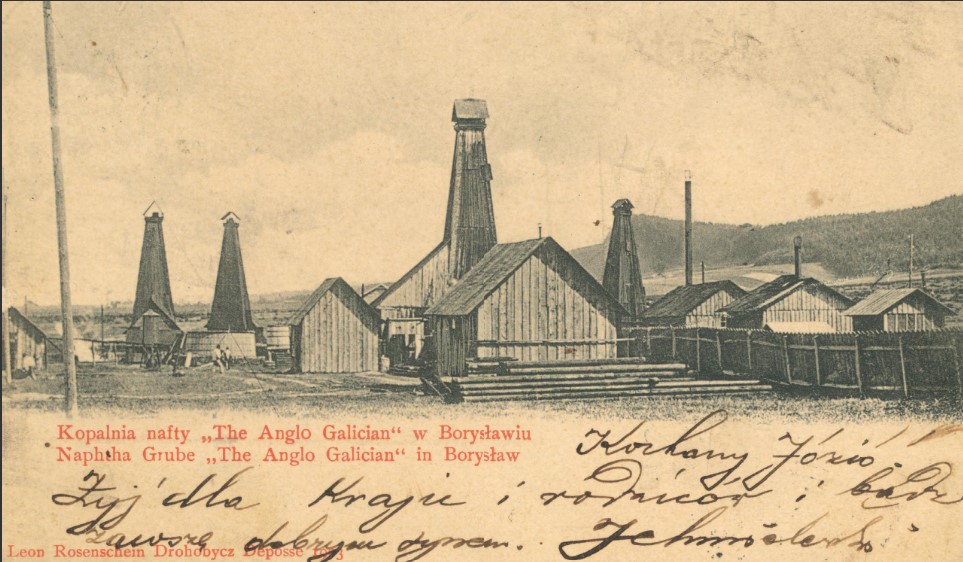
Julius Priester was a banker and an executive in the oil and energy sector, director of the Naphta (petroleum) stock corporation Galicia with offices in Drohobycz (in present-day Ukraine) and at Heumarkt 10 in Vienna. Following the mid-nineteenth century Galician oil boom, the region around Drohobycz had become a centre for oil extraction, with the Austro-Hungarian empire becoming, in the decades before World War I, the world’s third largest oil producer after the USA and Russia. [Fig. 4-5]

Lorem ipsum dolor sit amet, consectetur adipiscing elit, sed do eiusmod tempor incididunt ut labore et dolore magna aliqua. Ut enim ad minim veniam, quis nostrud exercitation ullamco laboris nisi ut aliquip ex ea commodo consequat. Duis aute irure dolor in reprehenderit in voluptate velit esse cillum dolore eu fugiat nulla pariatur.

Block quote
Ordered list
Unordered list
Bold text
Emphasis
Superscript
Subscript
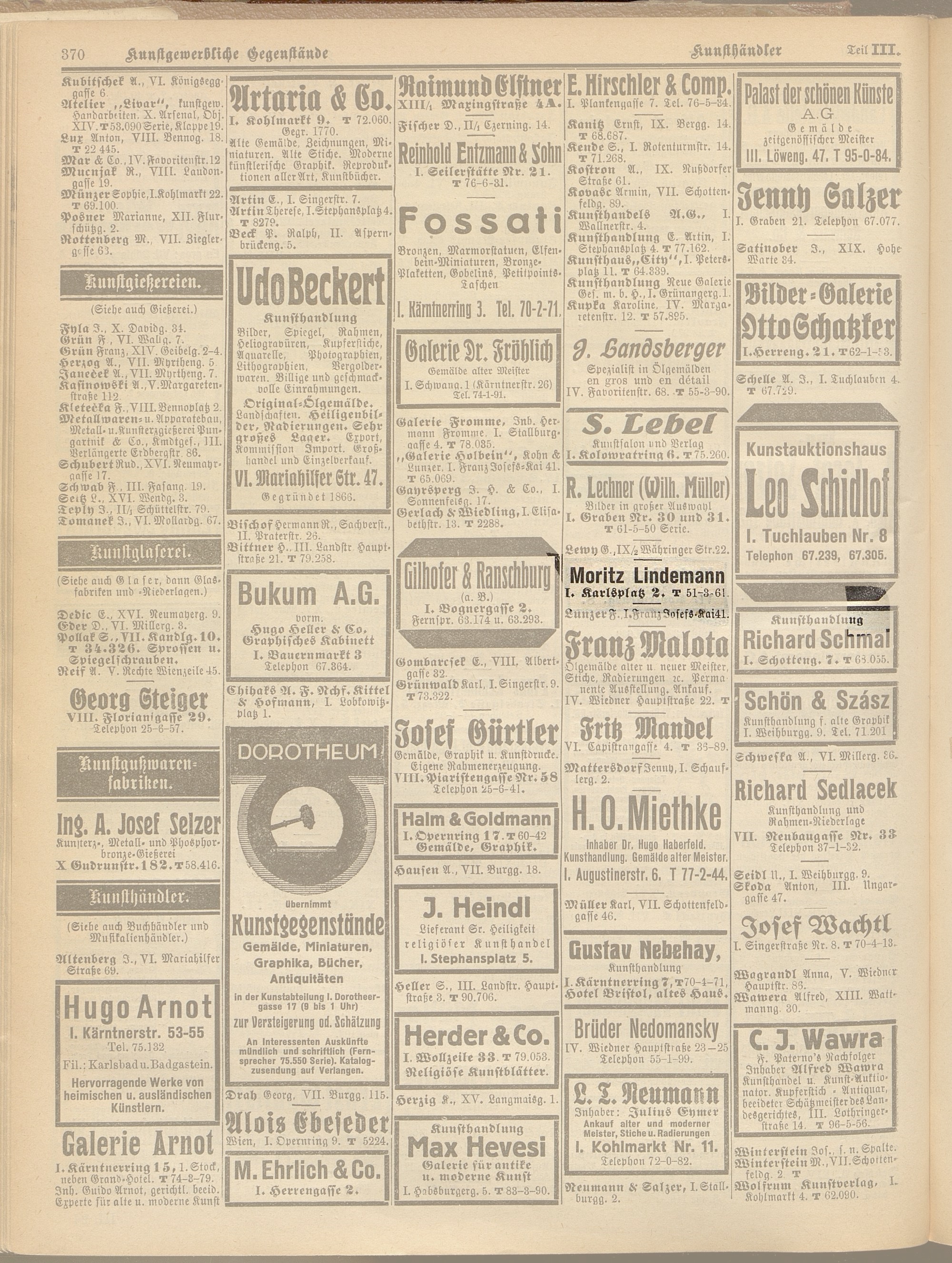






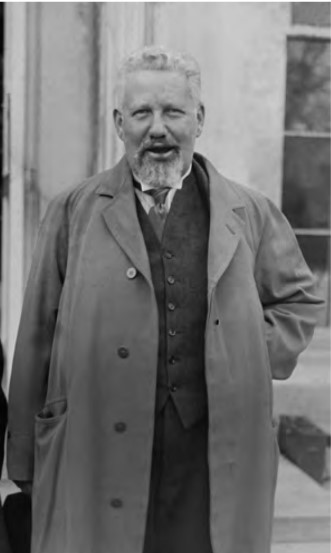
From the early 1920s, when he was in his 50s, Julius Priester devoted himself to building an art collection. He was advised by Moritz Lindemann (1880-1944/1945), an Old Master dealer with a gallery on Vienna’s Karlsplatz. [Fig 6]
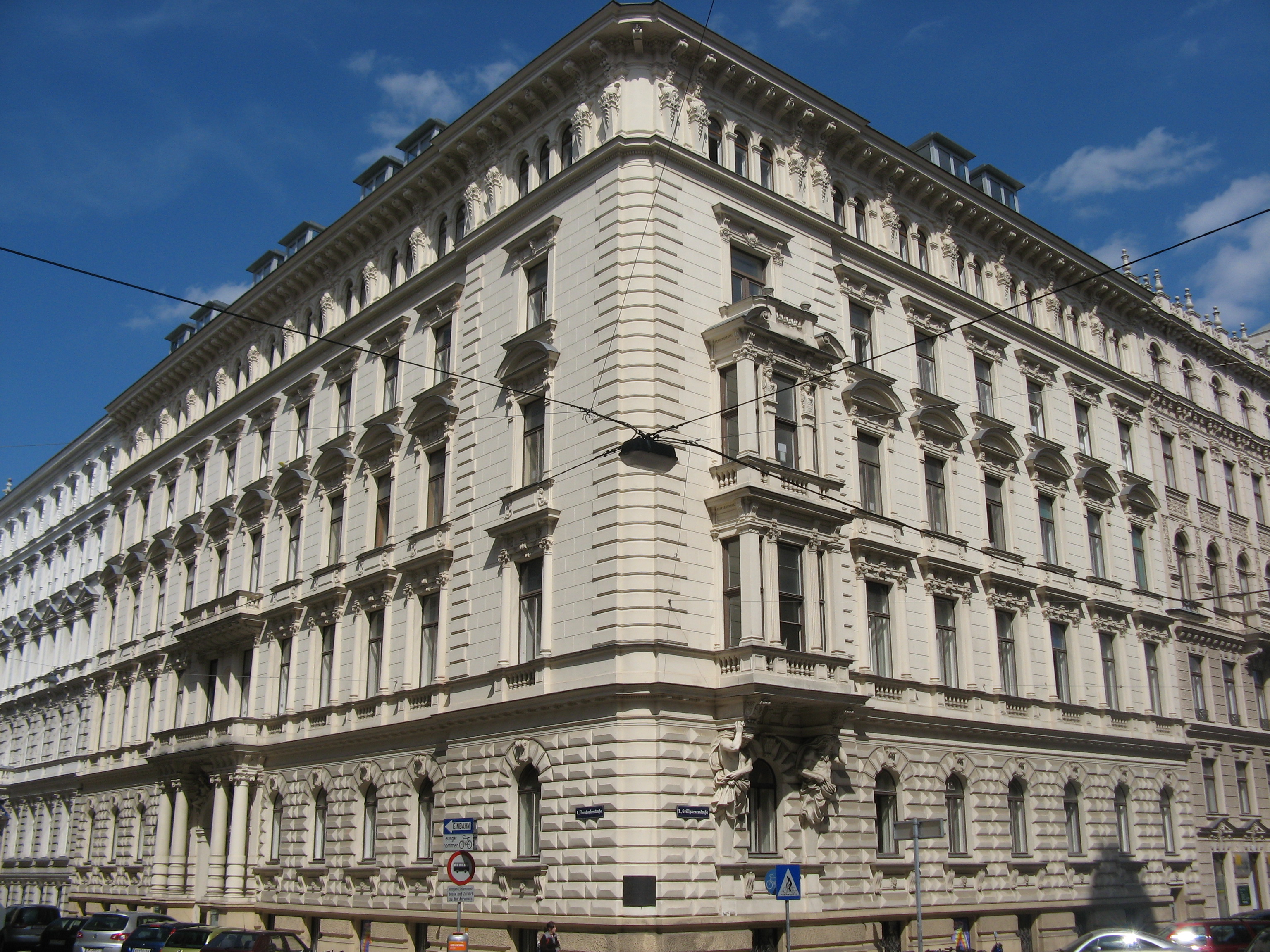
The collection was displayed both in Priester’s office and in the third-floor apartment where he and his wife Camilla lived from 1914 onwards at Ebendorferstrasse 8, near the city hall and the Burgtheater, in Vienna’s historic centre. [Fig. 7]
In the late 1920s, Priester was a donor of the Kunsthistorisches Museum (Art Historical Museum) of Vienna and a supporter of the museum’s yearbook, as were Lindemann and Eisler. [Fig. 8]
In 1932, Ludwig Baldass of the Kunsthistorisches Museum was invited to the Priester apartment to view the art collection. [Fig. 9]
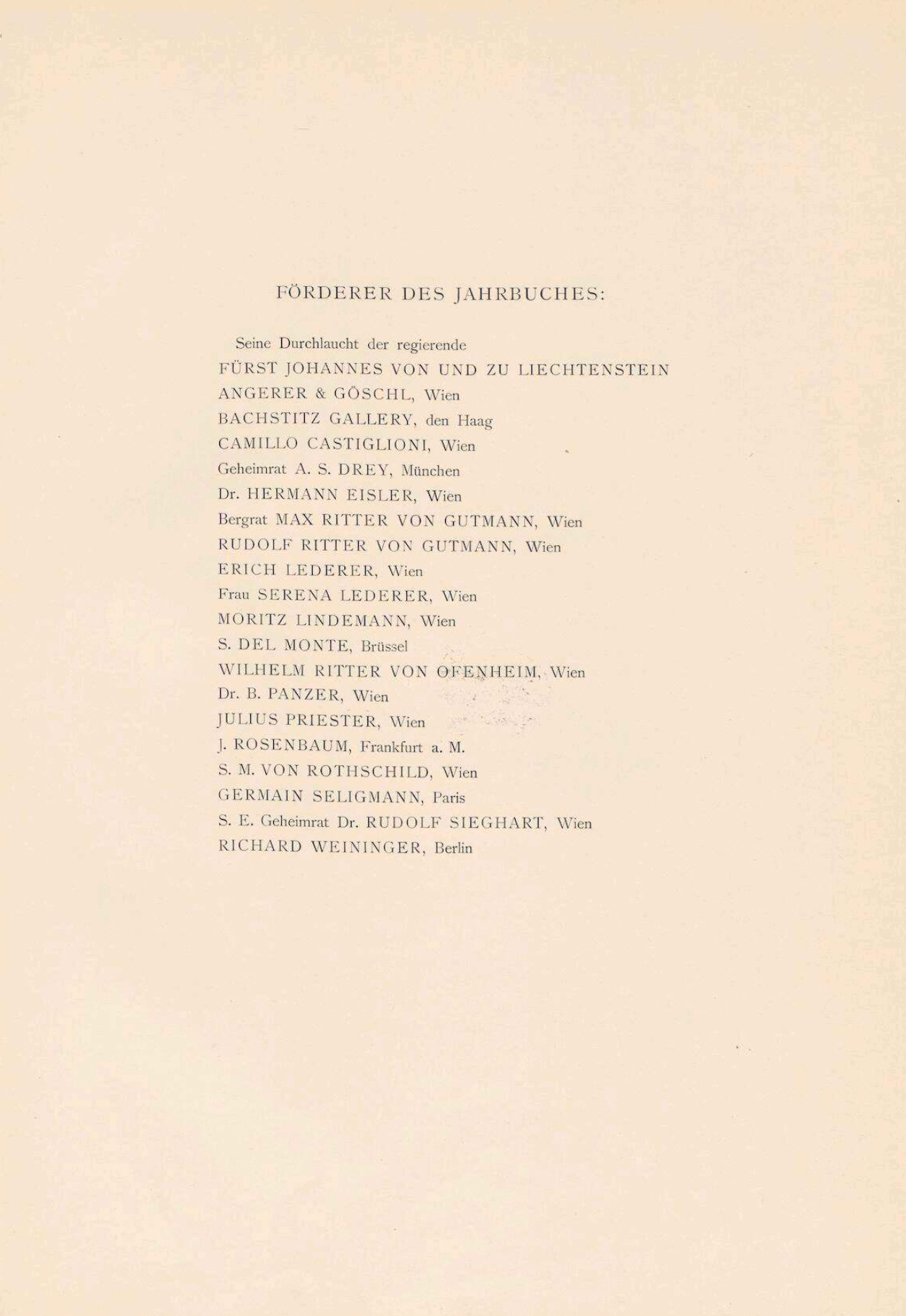
Julius Priester was particularly interested in Dutch and Italian artists including Peter Paul Rubens, Frans Hals, Tintoretto, David Teniers, Pinturicchio and Anthony van Dyck, and had a distinct eye for portraits. The collection also included outstanding works by nineteenth century Austrian artists such as Josef Danhauser, Moritz Michael Daffinger, Carl Moll and Rudolf von Alt.
Photographs of the Priester apartment taken before 1938 show the art collection displayed within and complemented by an oak-furnished setting evoking a Renaissance-style interior. [Figs 1, 10-11]
The rich text element allows you to create and format headings, paragraphs, blockquotes, images, and video all in one place instead of having to add and format them individually. Just double-click and easily create content.
Quote sample text
A rich text element can be used with static or dynamic content. For static content, just drop it into any page and begin editing. For dynamic content, add a rich text field to any collection and then connect a rich text element to that field in the settings panel. Voila!
Headings, paragraphs, blockquotes, figures, images, and figure captions can all be styled after a class is added to the rich text element using the "When inside of" nested selector system.
The Priesters’ life was dramatically changed by the ‘Anschluss’ or annexation of Austria by Nazi Germany on 12 March 1938. Forced to flee their home and their country, they lost all of their property and assets in Vienna, including all their paintings, as well as silverware, tapestries and antique Persian carpets.
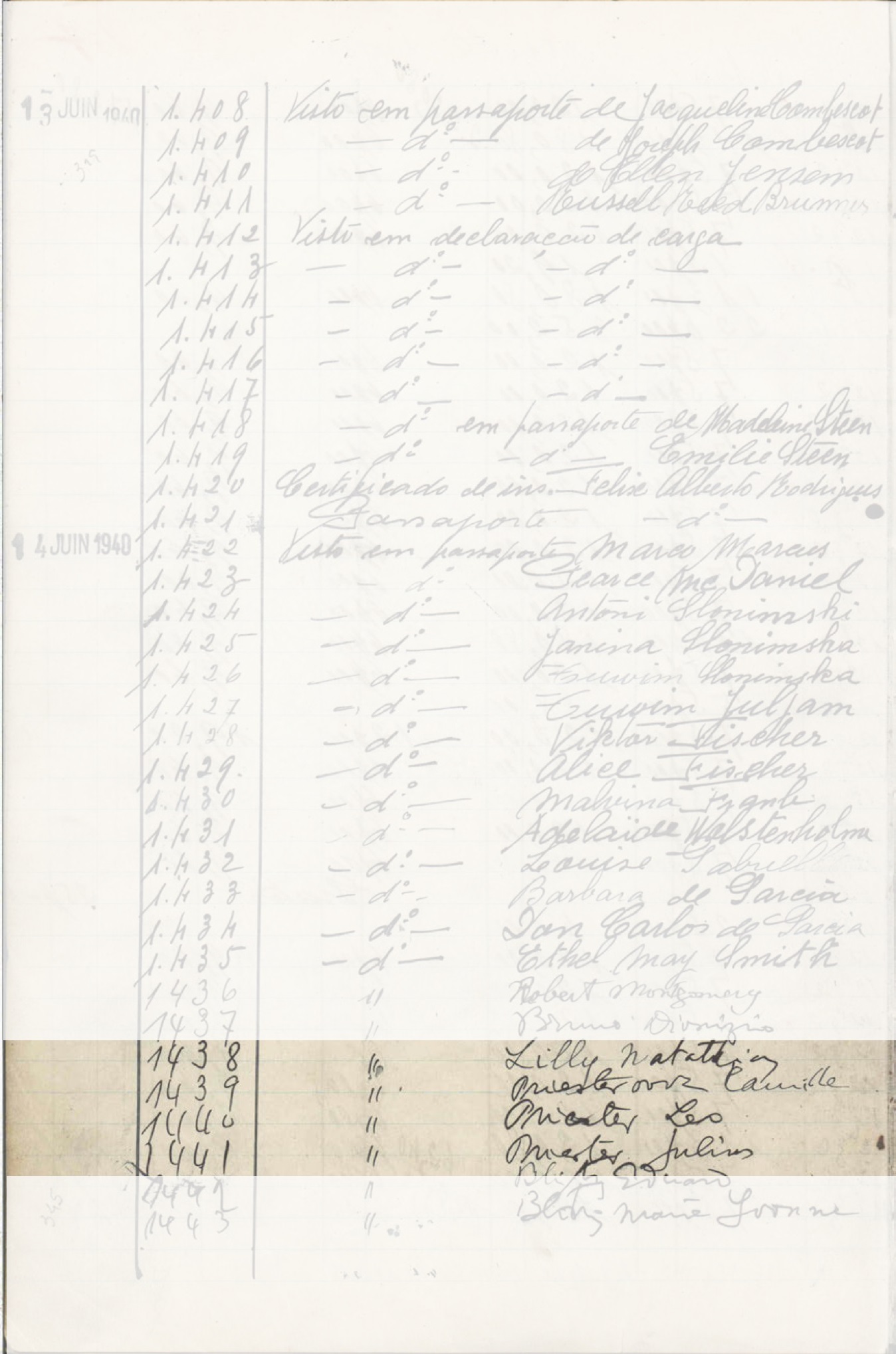
In March 1938, Julius and Camilla Priester fled to Paris. Julius Priester had business interests in France and may have owned a property in Trouville, Normandy. When Nazi Germany attacked France in May 1940, Julius and Camilla fled via Bordeaux and Lisbon to Mexico City, where they arrived in late August 1940. The Priesters, together with Julius’ brother Leo Priester and his companion Lilly Matathias (later Priester), were able to escape Europe because of visas issued by Aristides de Sousa, Portuguese consul in Bordeaux, in defiance of official instructions. [Fig. 12]
The Priesters reached Mexico aboard the Portuguese cargo ship SS Quanza (81 passengers without visas, threatened with return to Europe, were granted asylum in the USA following legal petitions and the intervention of Lady Eleanor Roosevelt. The Priesters never returned to Austria. Julius died in Mexico in 1955, Camilla in 1962.
From abroad, Julius Priester arranged for the contents of the Ebendorferstrasse apartment to be packed and stored with the interior decorator and shipping agent Max Föhr, who was to have them sent on to Paris. But, as the Nazi grip on Jewish property tightened, these plans proved in vain.
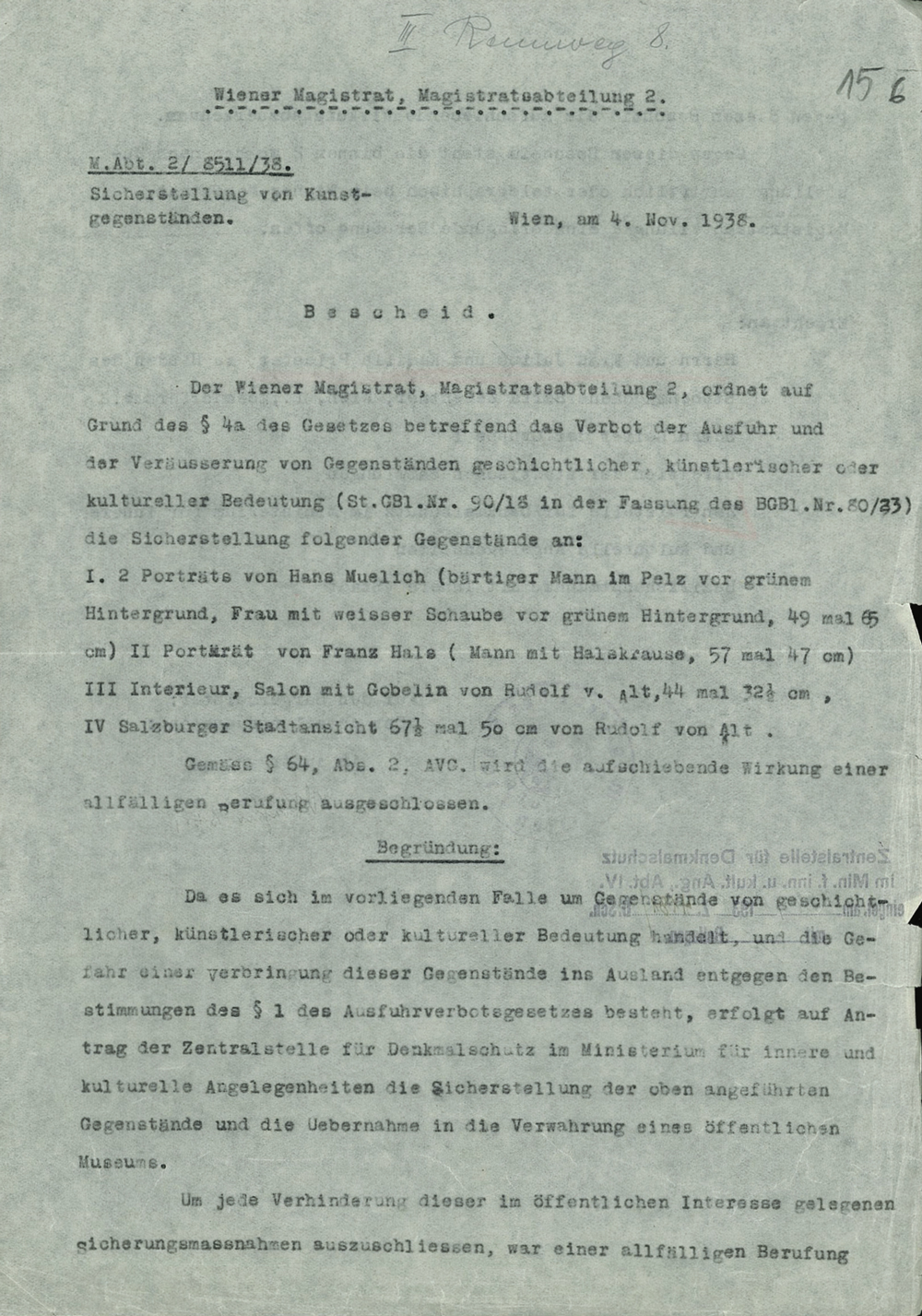
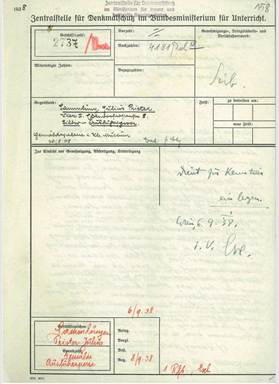
In August 1938 and on 11 May 1939 the contents of the apartment were appraised by art experts under the supervision of the Gestapo and the Zentralstelle für Denkmalschutz (Central Office of Heritage Protection). This resulted in the seizure of five paintings in November 1938, followed by a further nine in May 1939, which entered museum collections including that of the Kunsthistorisches Museum in Vienna. [Fig. 13]
The latter included a Frans Hals Portrait of a gentleman, a painting known to Ludwig Baldaß (1887-1963) of the Kunsthistorisches Museum since at least 1932, when he had visited the Priesters at home and viewed the collection. [Fig. 14]
The rest of the collection and furnishings were transferred to Max Föhr at Rienößlgasse 13 in Vienna for storage but, although an export license was applied for, no shipment was permitted [Fig. 15]. In February 1944, the art collection and furnishings were confiscated by the Gestapo and removed in six trucks and, research suggests, taken to a storage space of the Nazi looting organisation Vugesta at Krummbaumgasse 8 in Vienna.
After the war, Julius Priester made extensive efforts to trace and recover the stolen works.
In May 1947, his lawyer, Dr Erich Goglia, registered a claim with the Austrian authorities, attaching a list of paintings based on an inventory drawn up for insurance purposes on 4 May 1937 by Dr Robert Eigenberger (1890-1979), director of the Picture Gallery of Vienna’s Academy of Fine Arts.
That same year, Frans Hals’ Portrait of a Gentleman was restituted to the family, later to be donated to the Museo Nacional de San Carlos in Mexico City (inv. 10425). [Fig. 16].
From Mexico, Julius Priester was in frequent contact with his Vienna-based lawyers and his private secretary Henriette Geiringer. Their extensive correspondence on tracing the collection bears testimony both to their concerted efforts but also to the obstacles encountered.
They contacted the authorities in Austria – including the Federal Heritage Office (Bundesdenkmalamt) and the Austrian Federal Police, and internationally, through Interpol and their own efforts, the German, Swiss and French police and US legal authorities.
The Priester losses were also reported in the press, notably in connection with legal proceedings, such as a 1953 court case against Julius Strecker, a former appraiser for the Gestapo, in whose possession a Rubens painting Man with a fur coat was located. [Fig. 17]
In 1954 the Austrian Federal Police circulated internationally an illustrated search list of 17 of the missing Priester paintings, resulting in the recovery of several works. [Fig. 18]
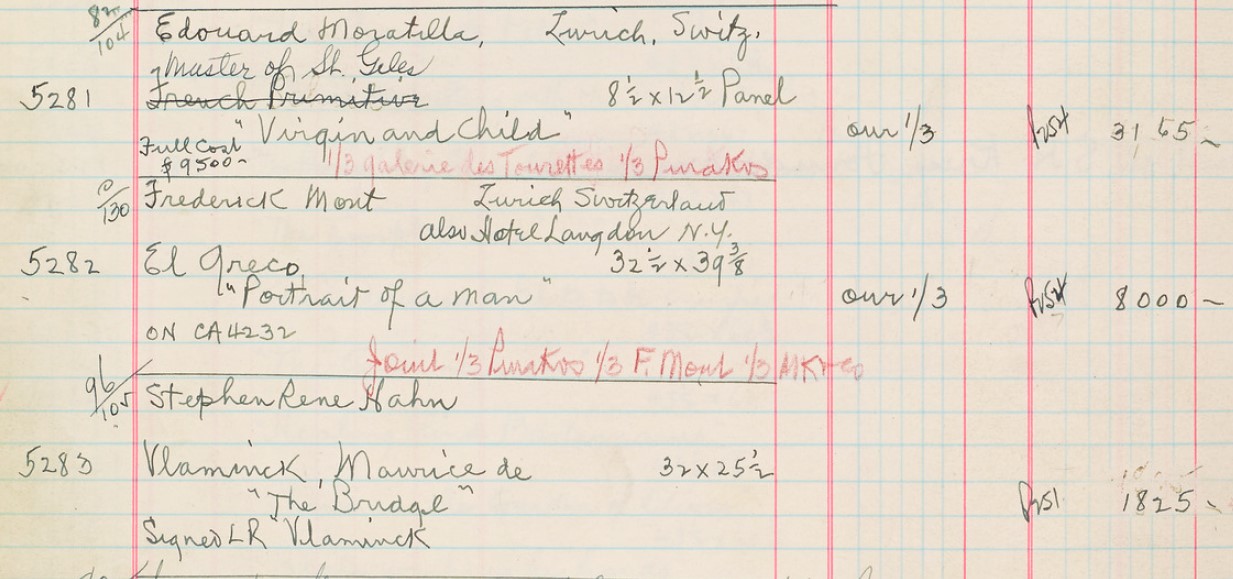
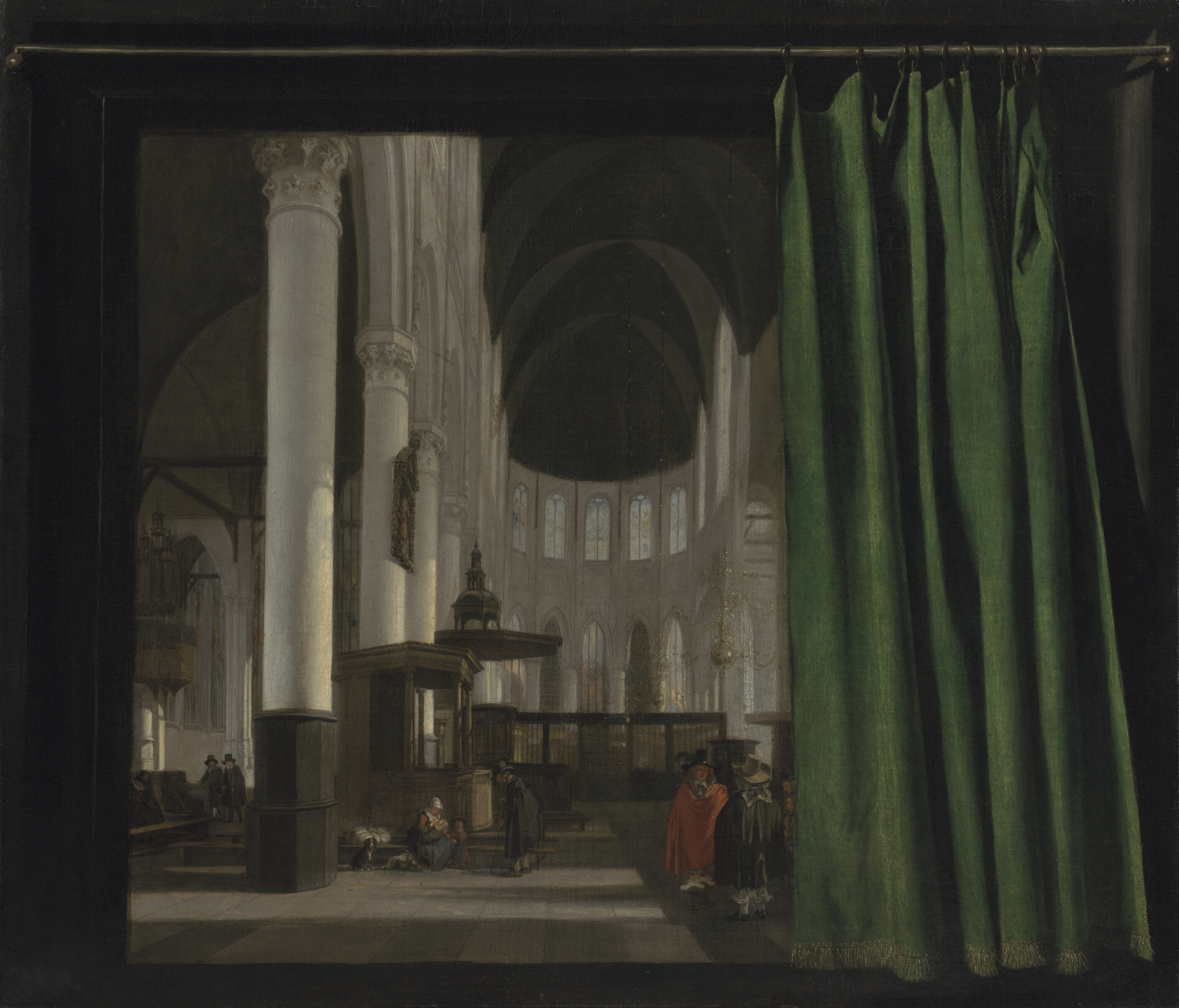
While a number of works, notably those confiscated in 1938 and 1939, could be traced in the years after the war, the bulk of the collection remained missing. [Fig. 19]
Sophie Lillie, Was einmal war: Handbuch der enteigneten Kunstsammlungen Wiens, Vienna, 2003, chapters on Julius and Camilla Priester (pp 905-909) and on Leo Priester (pp 910-913)
“Looted Art Research Unit”, Report of the Oxford Centre for Hebrew and Jewish Studies 2014–2015, pp 87-94, < https://www.ochjs.ac.uk/wp-content/uploads/2011/08/Annual-Report-2014-15-compressed.pdf>
Christie’s, “How these Old Masters were seized by the Gestapo and returned decades later”, 26 November 2021, <https://www.christies.com/en/stories/reunited-three-old-masters-from-the-priester-collection-c4748ff183974d628808874c1402467b>
Archives of the Bundesdenkmalamt & Kunsthistorisches Museum, Vienna
Lexicon of Austrian Provenance Research, <www.lexikon-provenienzforschung.org>
Commercial Register, Municipal Archives of Vienna
https://www.wien.gv.at/actaproweb2/benutzung/archive.xhtml?id=Stueck%20%20e69e8e2e-34cf-4e9d-bc94-e6e0763ad179VERA#Stueck__e69e8e2e-34cf-4e9d-bc94-e6e0763ad179VERA
Sousa Mendes Foundation, < https://sousamendesfoundation.org/visa-recipients/>
Archives de la Préfecture de Police, Paris
Lorem ipsum dolor sit amet, consectetur adipiscing elit, sed do eiusmod tempor incididunt ut labore et dolore magna aliqua. Ut enim ad minim veniam, quis nostrud exercitation ullamco laboris nisi ut aliquip ex ea commodo consequat. Duis aute irure dolor in reprehenderit in voluptate velit esse cillum dolore eu fugiat nulla pariatur.
Block quote
Ordered list
Unordered list
Bold text
Emphasis
Superscript
Subscript
The rich text element allows you to create and format headings, paragraphs, blockquotes, images, and video all in one place instead of having to add and format them individually. Just double-click and easily create content.
A rich text element can be used with static or dynamic content. For static content, just drop it into any page and begin editing. For dynamic content, add a rich text field to any collection and then connect a rich text element to that field in the settings panel. Voila!
Headings, paragraphs, blockquotes, figures, images, and figure captions can all be styled after a class is added to the rich text element using the "When inside of" nested selector system.