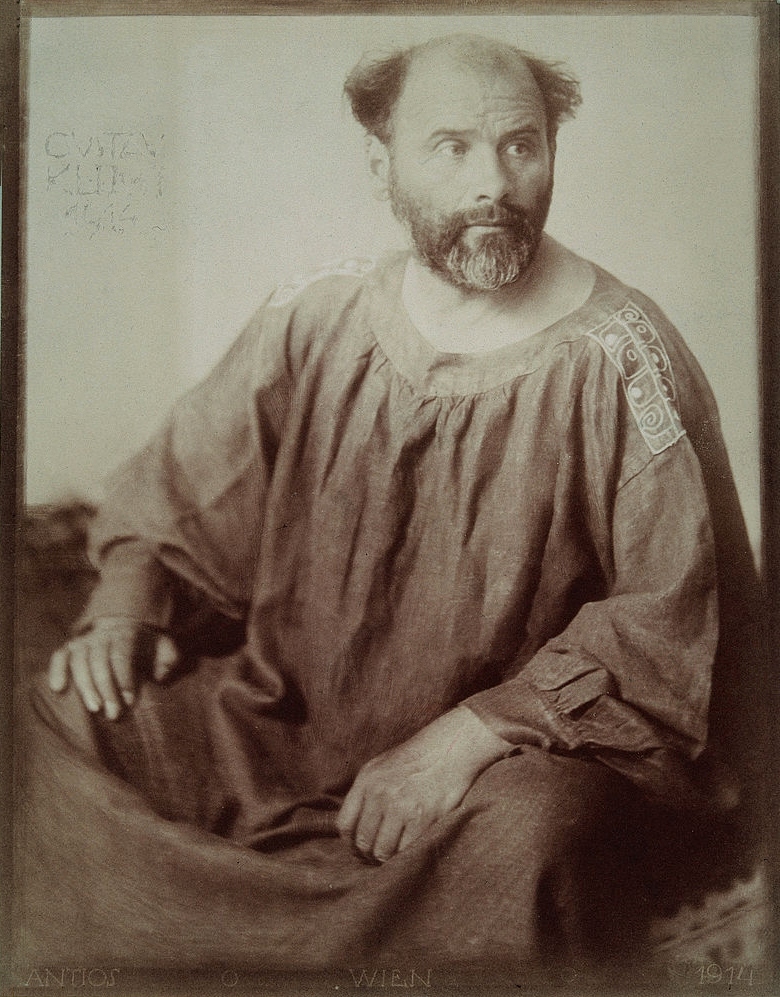
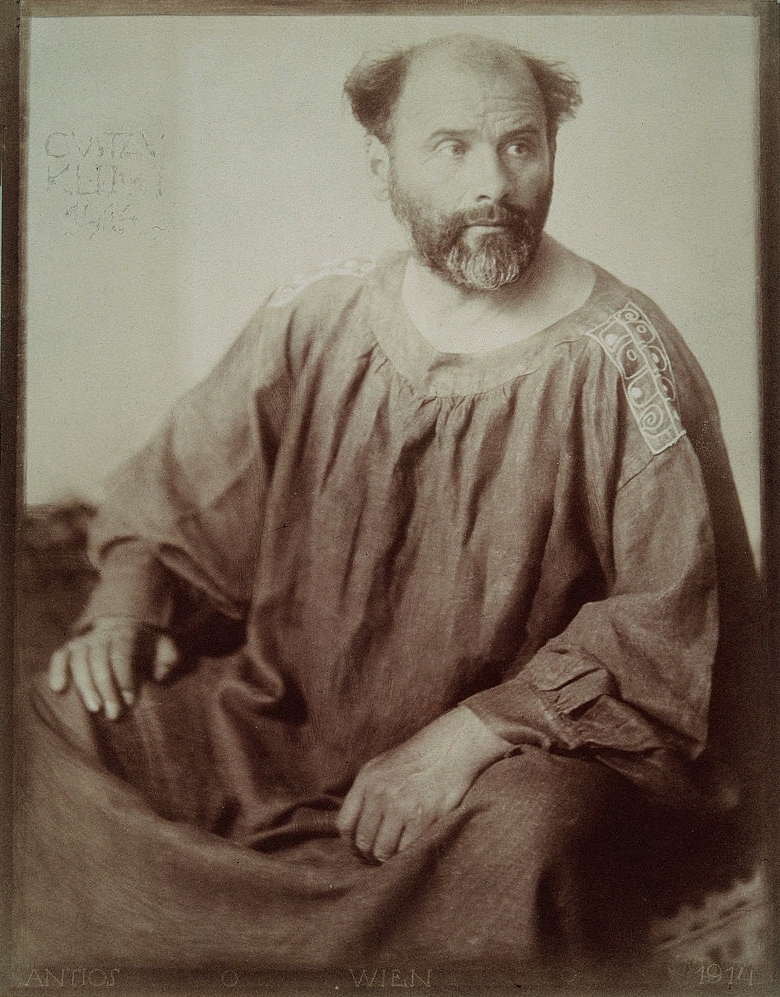
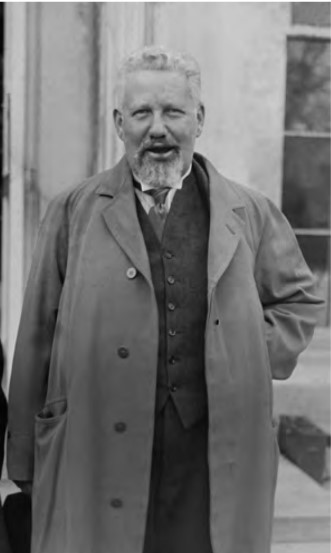
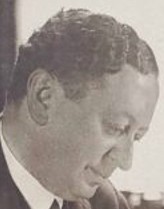
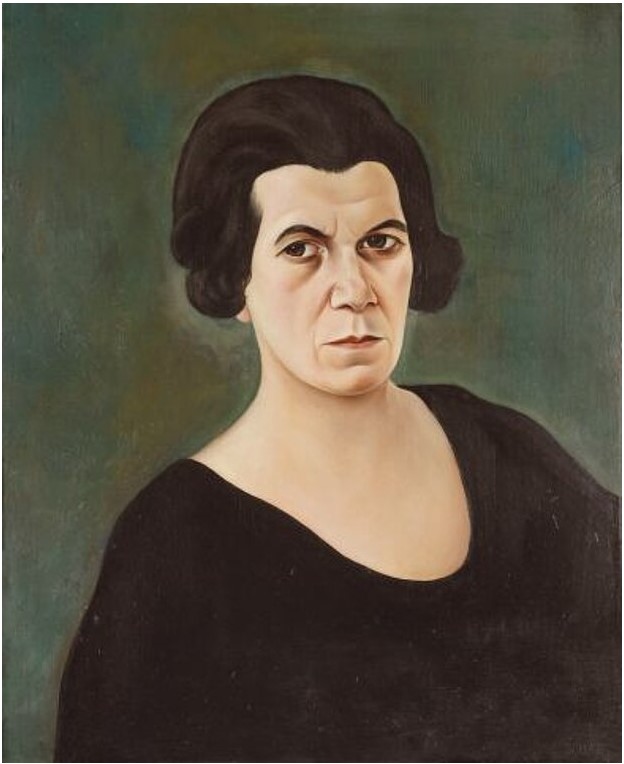
Dr Hermann Eissler (1860–1953) [Fig. 2] was a Viennese-Jewish industrialist, mountaineer and prominent art collector. In early-20th century Vienna, he and his family assembled one of the most important private art collections in the city. Born on 20 July 1860 to Jacob and Rosa Eissler, Hermann earned a doctoral degree in geology at the University of Vienna in 1893. He then entered the family timber business, becoming a partner in 1897 [Fig. 4].

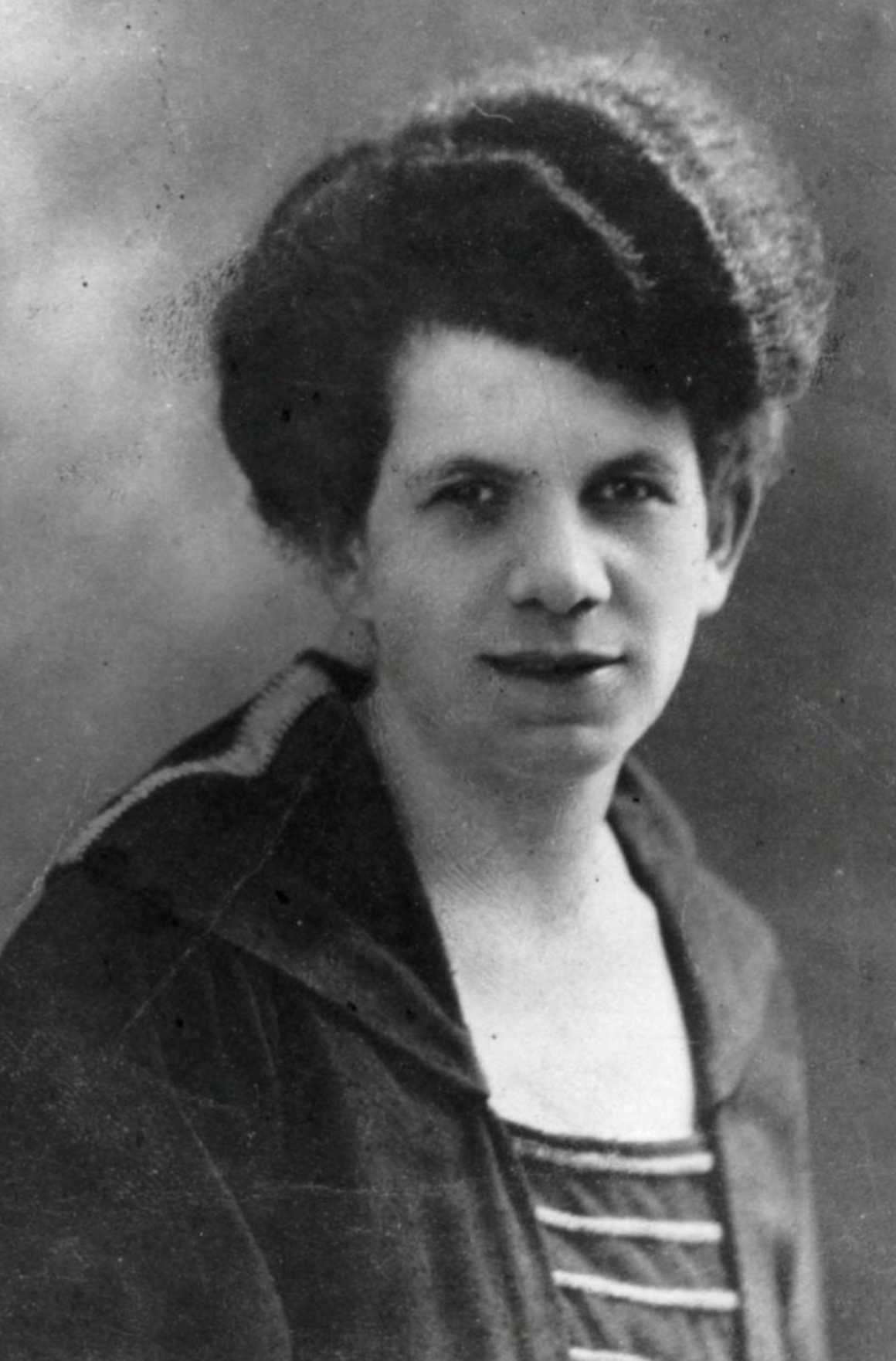
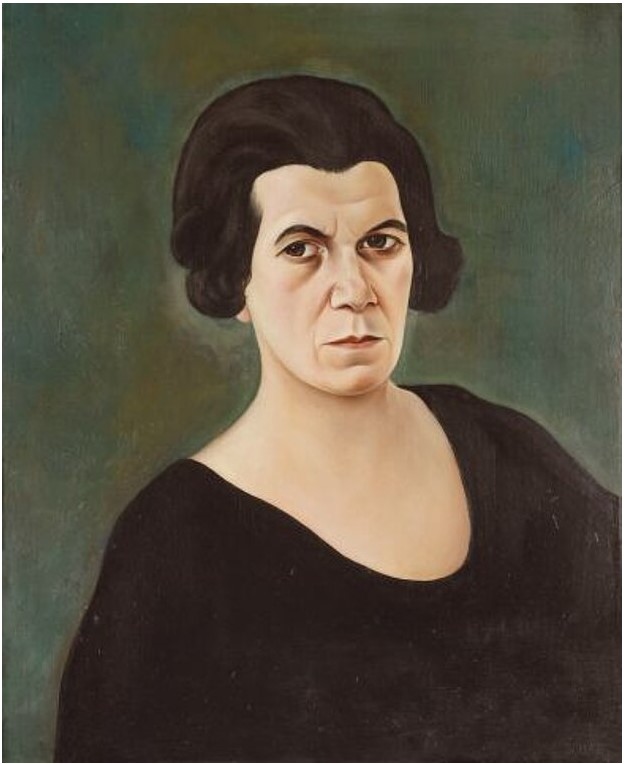
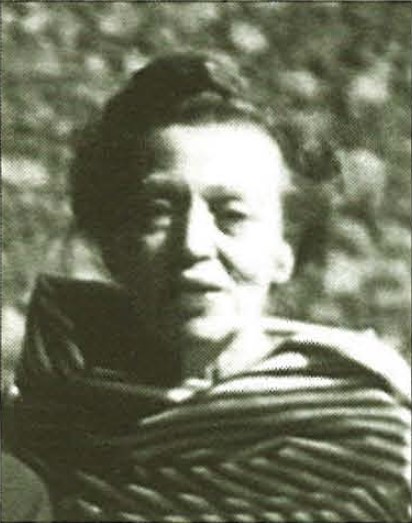
In 1929 Hermann married Hortense ‘Horti’ Kopp (1895–1983) [Fig. 3], the daughter of the mayor of Wimpassing, Lower Austria. Hermann had one child, Berta Morelli (1893–1975), from a previous relationship with Barbara Havliscek.

Berta was an art collector in her own right. Her first marriage was to Paul Munk (1888-1955), who also came from an art collecting family and was the uncle of Maria ‘Ria’ Munk (1887-1911). Berta and Paul’s wedding was witnessed by the noted artist, art dealer and collector Carl Moll (1861–1945).

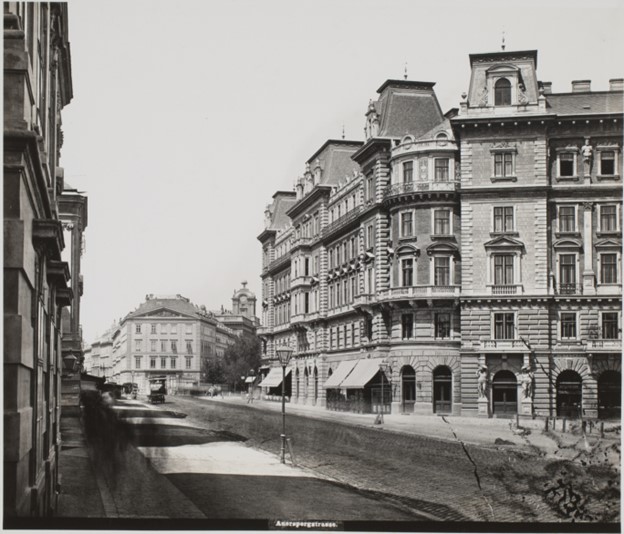
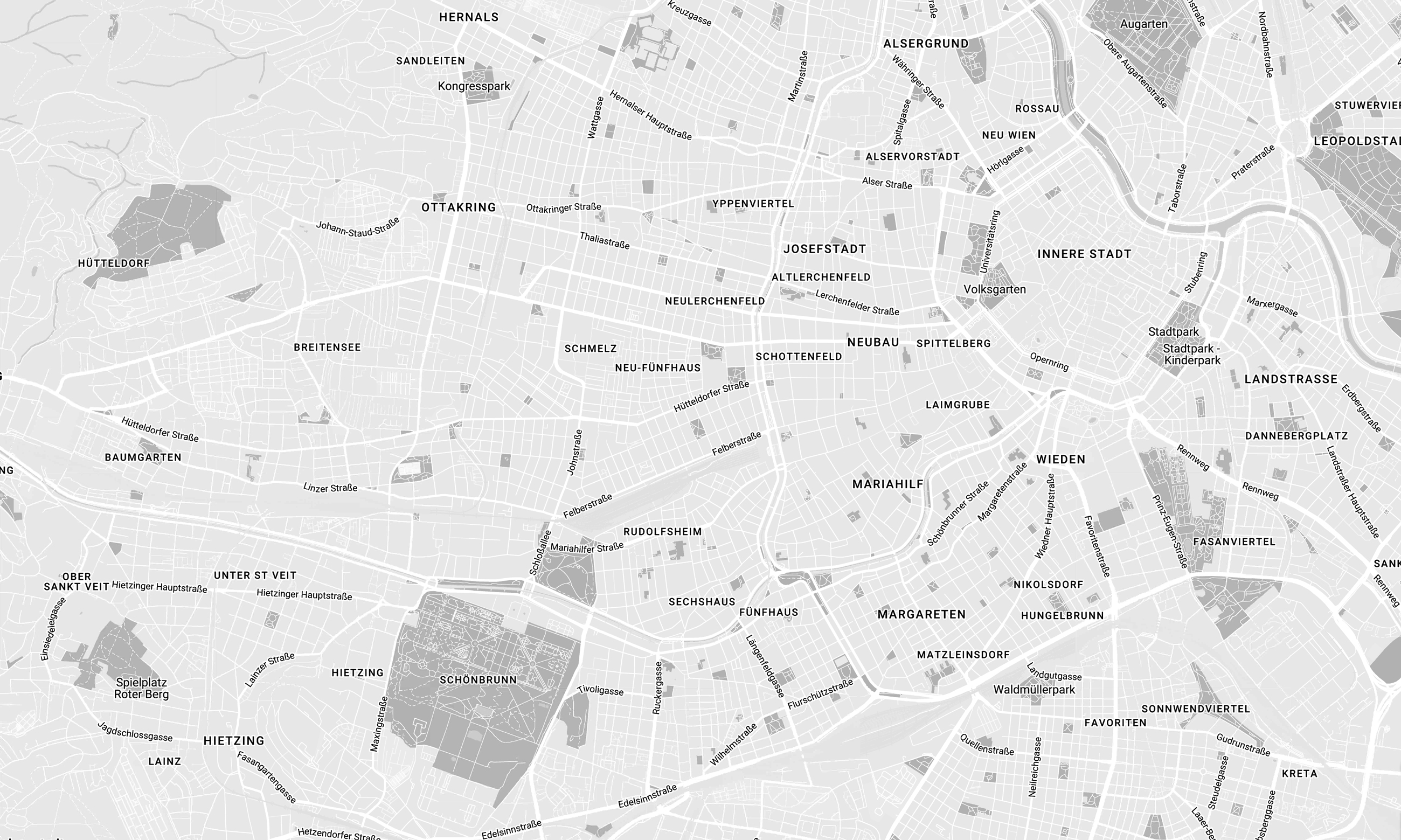
By the late 1920s, the Eissler family formed part of Vienna’s economic and cultural elite. Hermann and Hortense maintained a residence in Vienna at Auerspergstrasse 2 [Fig. 6] as well as an estate in Kleinzell, Lower Austria. Berta lived at Cumberlandstrasse 59b in Vienna.
Lorem ipsum dolor sit amet, consectetur adipiscing elit, sed do eiusmod tempor incididunt ut labore et dolore magna aliqua. Ut enim ad minim veniam, quis nostrud exercitation ullamco laboris nisi ut aliquip ex ea commodo consequat. Duis aute irure dolor in reprehenderit in voluptate velit esse cillum dolore eu fugiat nulla pariatur.

Block quote
Ordered list
Unordered list
Bold text
Emphasis
Superscript
Subscript
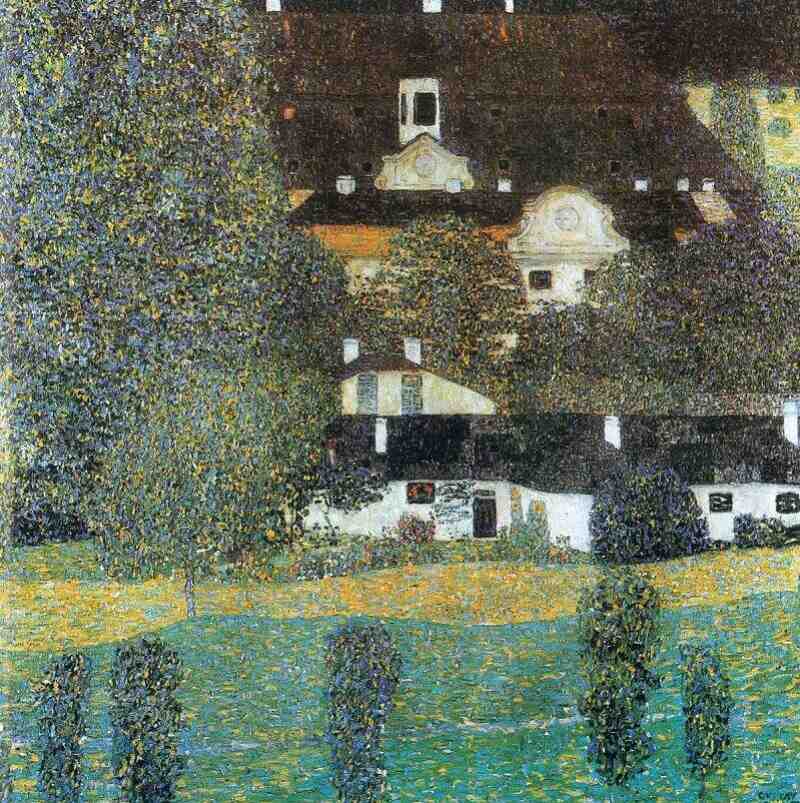


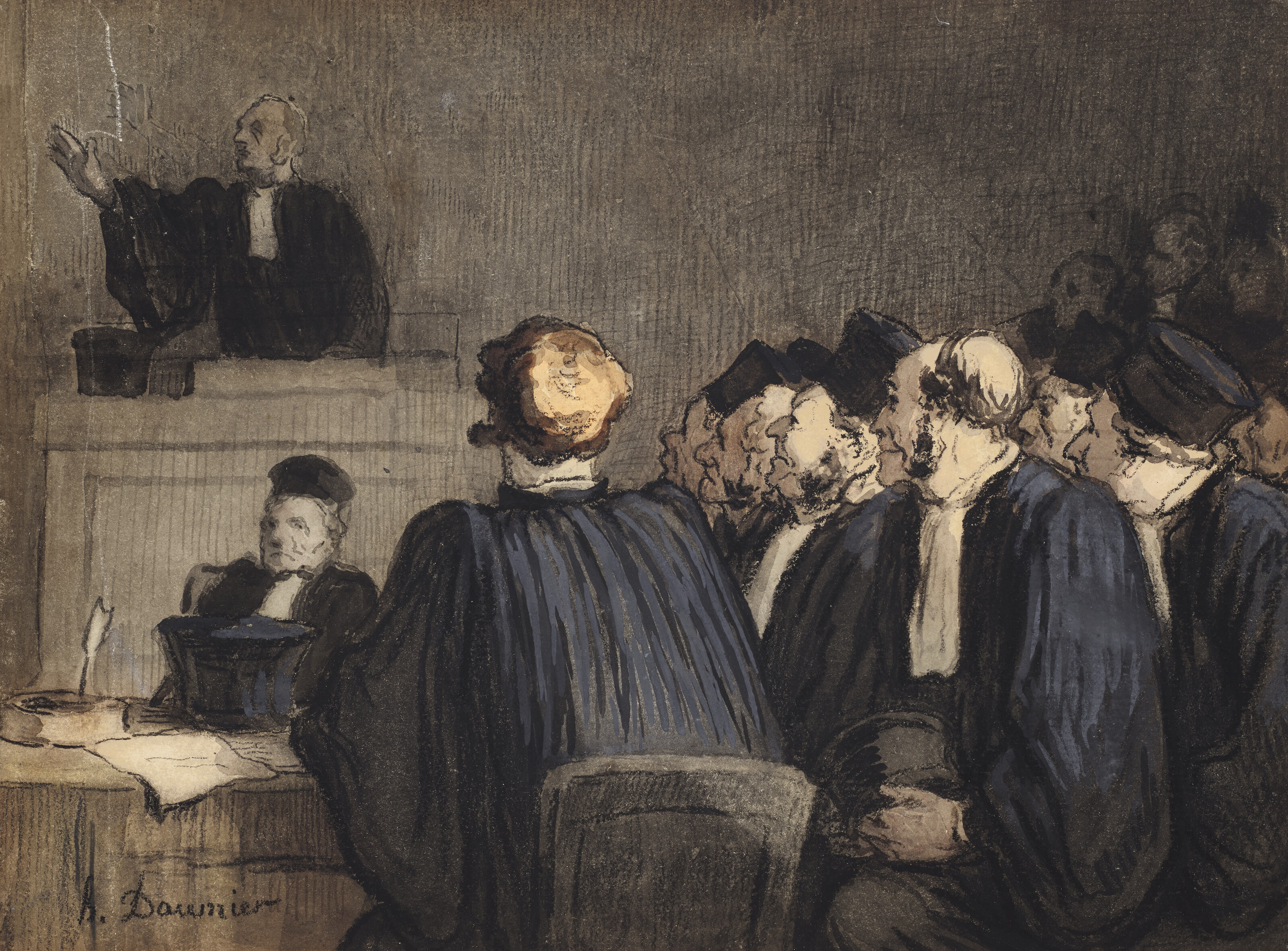


Alongside his younger brother, Gottfried ‘Fritz’ Eissler (1862–1924), Hermann assembled a collection that included exceptional examples of 19th-century Austrian painting. Among these works were a significant number of paintings by Ferdinand Georg Waldmüller and Rudolf von Alt, considered among the most important by those artists in private hands.
The collection extended beyond Austrian art to include a broad selection of European artists such as Francisco Goya, Paul Cezanne [Fig. 9], Gustave Courbet, Eugène Delacroix, Théodore Géricault, Lorenzo Lotto and John Constable, alongside sculpture and works on paper.
The collection was well known publicly, in part through loans to major exhibitions as well as dedicated exhibitions of works in the Eissler collection [Figs. 10 and 11].
In support of their collecting, the Eisslers maintained relationships with Viennese dealers including H.O. Miethke, Carl Moll, Arthur Roessler, Gustav Pisko and Gustav Nebehay, as well as dealers abroad such as Heinrich Heinemann in Munich, see [Fig. 8].
Hermann led numerous organisations that supported the arts in Vienna. He was a board member of the Verein der Museumsfreunde im Wien (Association of Friends of the Museum in Vienna) as well as the Gesellschaft zur Foerderung moderner Kunst (Society for the Promotion of Modern Art), alongside other Austrian art world notables including dealer Lea Bondi; Dr Emil Frankl; Francz Martin Haberdiz, the director of the Belvedere; and Dr Alfred Stix, director of the Kunsthistorische Museum.
The rich text element allows you to create and format headings, paragraphs, blockquotes, images, and video all in one place instead of having to add and format them individually. Just double-click and easily create content.
Quote sample text
A rich text element can be used with static or dynamic content. For static content, just drop it into any page and begin editing. For dynamic content, add a rich text field to any collection and then connect a rich text element to that field in the settings panel. Voila!
Headings, paragraphs, blockquotes, figures, images, and figure captions can all be styled after a class is added to the rich text element using the "When inside of" nested selector system.

‘The two brothers, who collected alongside one another and together, built up over the course of a generation a collection that ranks among Vienna’s attractions and is visited by art lovers from all over the world. The Eissler Collection is of extraordinary diversity. In addition to paintings by modern and old masters, there are outstanding works of sculpture, stained glass, Old Viennese porcelain, woodcuts, copperplate engravings, etc.’
The rich text element allows you to create and format headings, paragraphs, blockquotes, images, and video all in one place instead of having to add and format them individually. Just double-click and easily create content.
Quote sample text
A rich text element can be used with static or dynamic content. For static content, just drop it into any page and begin editing. For dynamic content, add a rich text field to any collection and then connect a rich text element to that field in the settings panel. Voila!
Headings, paragraphs, blockquotes, figures, images, and figure captions can all be styled after a class is added to the rich text element using the "When inside of" nested selector system.
Because of his Jewish heritage, Hermann was subject to persecution following the Anschluss on 12 March 1938. In the spring of 1939, he fled to Nice, France via Switzerland and Hungary, following a failed attempt to flee to Nicaragua.
The Eissler collection was seized in situ by the Vienna City Council in October 1938. Approximately 50 works in the collection were included on the ‘Reichsliste’ of important works compiled by the Austrian Bundesdenkmalamt (Central Office for Monument Preservation) and targeted for inclusion in Hitler’s intended ‘Führermuseum’ in Linz, Austria.
The Eissler family attempted to shield their art collection and assets by transferring ownership to Hortense, who was considered ‘Aryan’ by the Nazi authorities, and to Berta, who had obtained Hungarian citizenship through her second husband, Dr Josef Karl Morelli (1883–1973). Hortense obtained a pro forma divorce from Hermann to further protect their property against Nazi seizure.
Ultimately, efforts to shield their family’s assets had limited success. In exchange for selling artworks, Hortense and Berta tried to negotiate the lifting of export restrictions and exemption from the Reichsfluchtsteuer. Nonetheless, Hortense and Berta were forced to sell their collection; export licenses and payments promised by Nazi authorities did not materialise.
One such painting from the Hermann Eissler collection subject to forced sale was Ferdinand Georg Waldmüller’s View of Lake Altaussee and the Dachstein [Fig. 1]. Hermann gifted the painting to Berta by December 1938. In May 1939, the work was purchased via forced sale by the notorious Munich art dealer Maria Almas Dietrich (1892–1971) [Fig. 13] on behalf of the Reich Chancellery, who intended to include the work in Hitler’s Führermuseum.
Ironically, the painting depicts Lake Altausee: the location of the salt mines [Figs. 12 and 14] where the painting was itself stored during the war and later recovered by the Monuments, Fine Arts and Archives Section in October 1945, see [Figs. 15a, 15b and 16]. However, following its rediscovery, the work did not return to the Eissler family. Instead, it entered the custody of the German federal government in June 1949, where it would remain for another 70 years.
After spending the war years at the Eissler estate in Lower Austria, Hortense joined Hermann in exile in Nice. The couple remarried there in 1951. Except for one visit to Austria in 1949, Hermann remained in France until his death in February 1953.
From 1945 onward, Hortense Eissler and Berta Morelli pursued claims to recover works lost due to Nazi persecution. These early attempts met with limited success. Claims brought in Austria were rejected, often on procedural grounds. Many works claimed as Nazi-era losses by Eissler and Morelli remain in public collections or have re-entered the market over time.
Following the deaths of Berta in 1975 and Hortense in 1983, heirs of the Eissler family have continued to pursue restitution. In Austria, the Art Restitution Act of 1998 led to renewed provenance research in federal collections. In this context, claims for works from the Eissler collection were reconsidered.
In 2009, the Austrian Art Restitution Advisory Board recommended the restitution of four large-scale panel paintings by Ferdinand Georg Waldmüller (see [Figs. 18–21]) from the Belvedere in Vienna to the heirs of Hermann Eissler.
In June 2020, two Waldmüller paintings, including View of Lake Altaussee and the Dachstein [Fig. 1] were restituted to the heirs of Dr Hermann Eissler by the German state. Following its restitution, View of Lake Altaussee and the Dachstein sold at auction at Christie’s New York in July 2020.
Lexikon Provenienzforschung, “Herman Eissler”, https://www.lexikon-provenienzforschung.org/en/eissler-hermann (ACCESSED 15 MAY 2026).
Belvedere, “Provenance Research”, https://www.belvedere.at/en/belvedere/provenance-research (ACCESSED 15 MAY 2026).
S. Lillie, Was einmal war: Handbook der enteigneten Kunstsammlungen Wiens (Vienna: Czernin Verlag, 2003), p. 323-29.
Proveana, “Sammlung Eissler & Morelli”, https://www.proveana.de/en/link/col00000264 (ACCESSED 15 MAY 2026).
Internationale Sammlerzeitung: Zentralblatt für Sammler, Liebhaber und Kunstfreunde, 15 January 1925, 17:2, pages 10-11. https://doi.org/10.11588/diglit.55113.2.
Lexikon Provenienzforschung, “Maria Almas Dietrich”, https://www.lexikon-provenienzforschung.org/en/almas-dietrich-maria (ACCESSED 15 MAY 2026).
“Raubkunst: Bund restituiert zwei Waldmüller-Gemälde, 12 February 2020”, Kunstverwaltung des Bundes, https://www.kunstverwaltung.bund.de/SharedDocs/Pressemitteilungen/DE/PM\_02\_2020.html (ACCESSED 15 MAY 2026).
A. Caruso and A. Schallmeiner, “Getrennt und gemeinsam: Die sammelnden Brüder Gottfried und Hermann Eissler”, Die Praxis des Sammelns, Personen und Institutionen im Fokus der Provenienzforschung (Vienna: Böhlau Verlag, 2014), Eva Blimlinger, Heinz Schödl (eds.), p. 104.
Nadine Bauer (trad. Marianne Dautrey) (29/09/2021), ALMAS DIETRICH Maria (FR) in Répertoire des acteurs du marché de l'art en France sous l'Occupation, 1940-1945, RAMA (FR) - INHA, http://agorha.inha.fr/detail/25 (ACCESSED 20 MAY 2026).
Lorem ipsum dolor sit amet, consectetur adipiscing elit, sed do eiusmod tempor incididunt ut labore et dolore magna aliqua. Ut enim ad minim veniam, quis nostrud exercitation ullamco laboris nisi ut aliquip ex ea commodo consequat. Duis aute irure dolor in reprehenderit in voluptate velit esse cillum dolore eu fugiat nulla pariatur.
Block quote
Ordered list
Unordered list
Bold text
Emphasis
Superscript
Subscript
The rich text element allows you to create and format headings, paragraphs, blockquotes, images, and video all in one place instead of having to add and format them individually. Just double-click and easily create content.
A rich text element can be used with static or dynamic content. For static content, just drop it into any page and begin editing. For dynamic content, add a rich text field to any collection and then connect a rich text element to that field in the settings panel. Voila!
Headings, paragraphs, blockquotes, figures, images, and figure captions can all be styled after a class is added to the rich text element using the "When inside of" nested selector system.