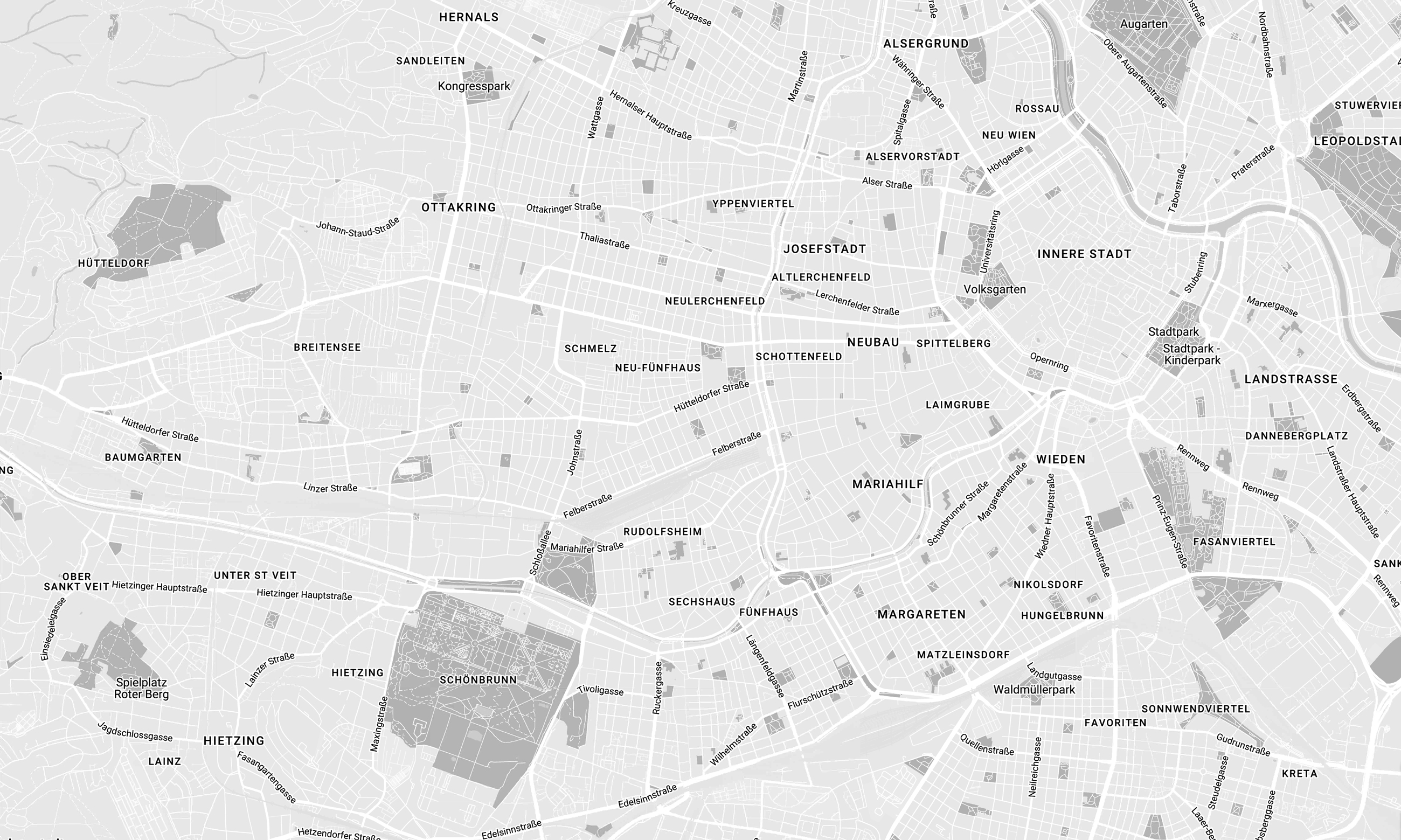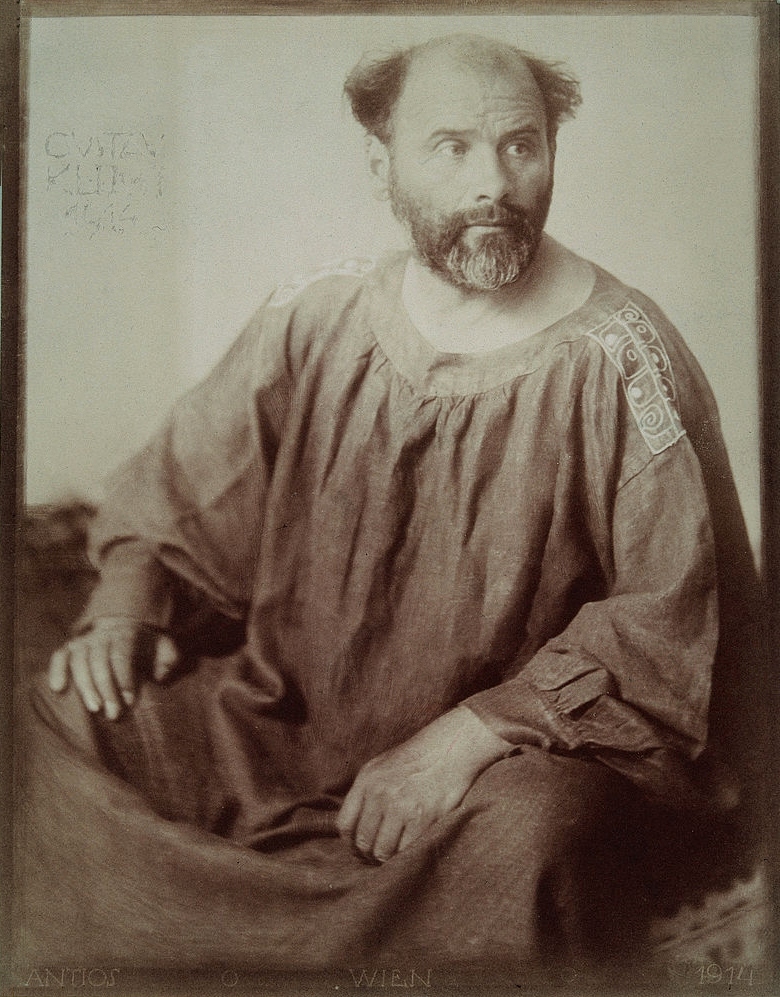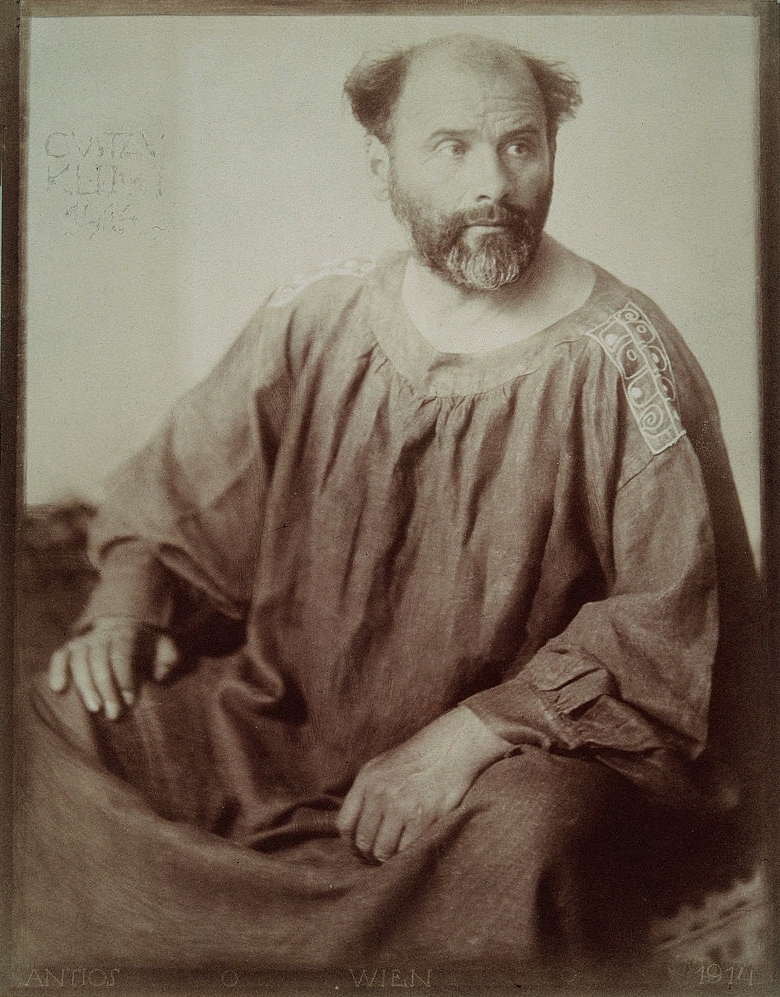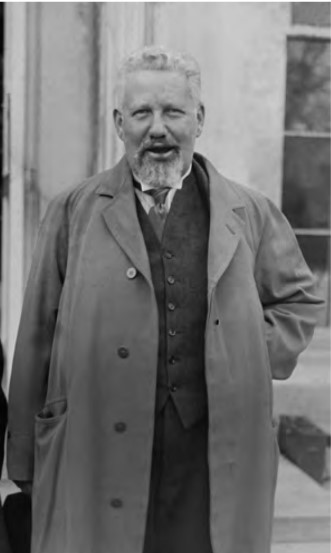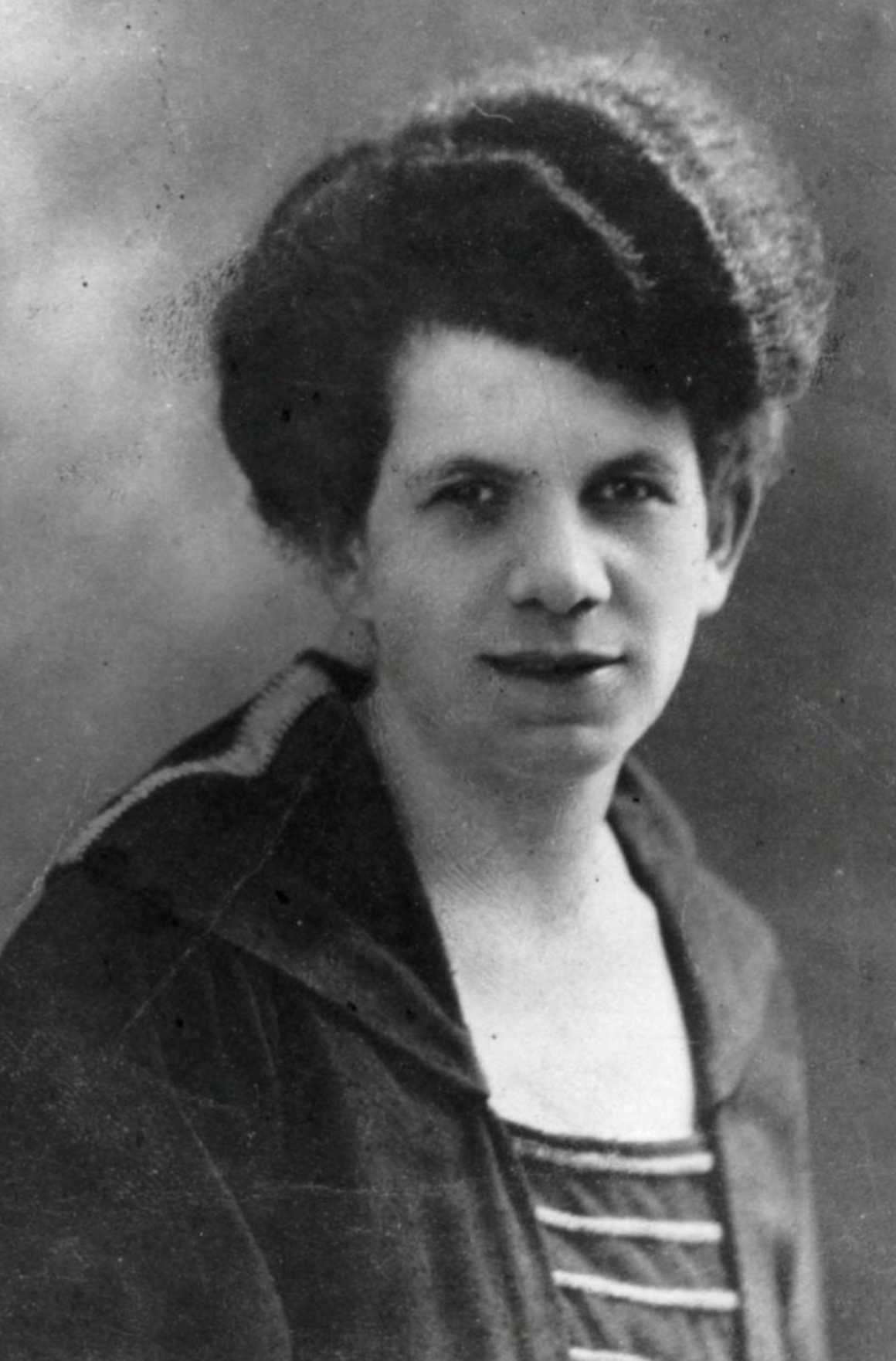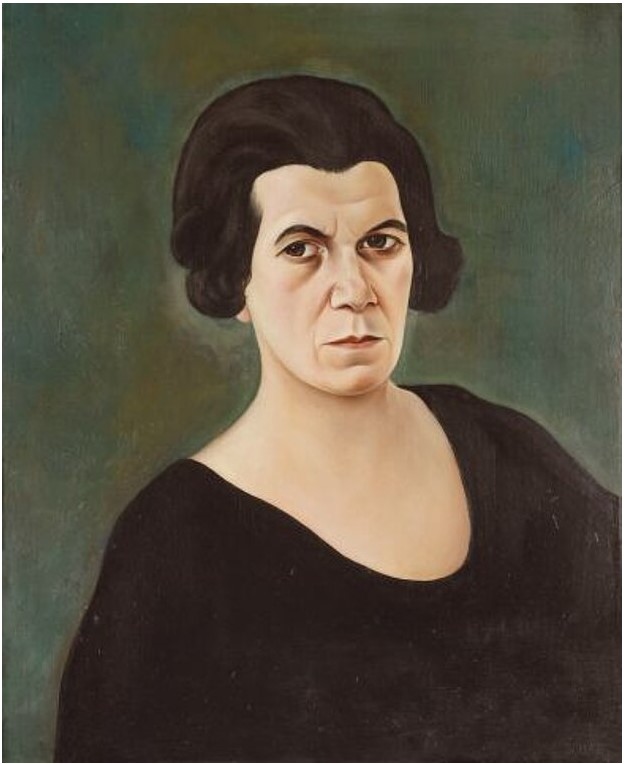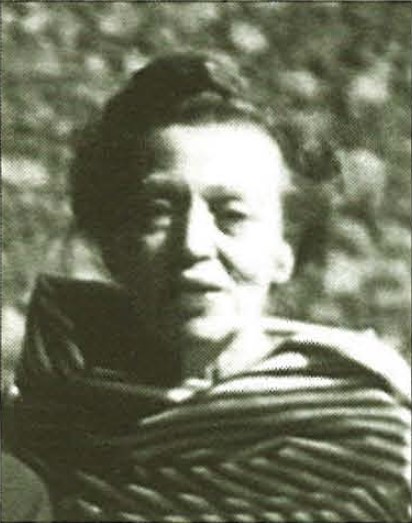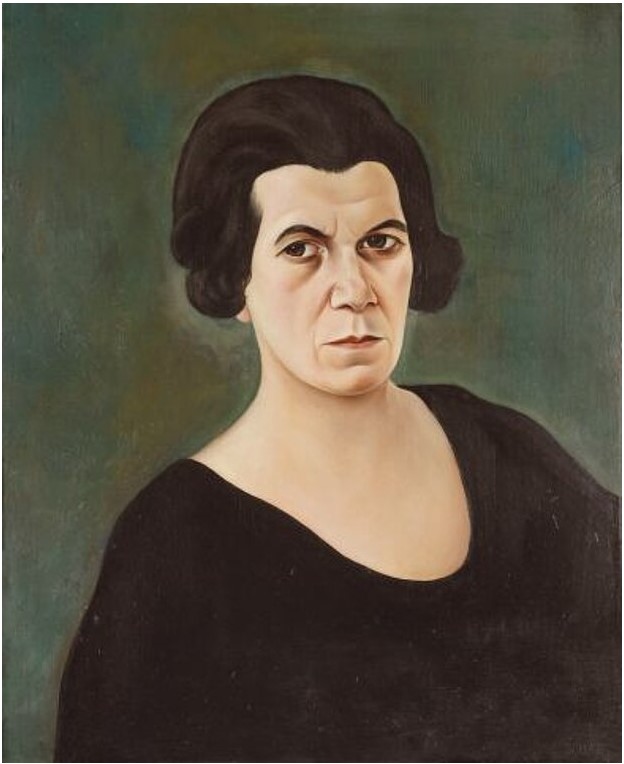

The Rothschild family, originating from the financial empire established by Mayer Amschel Rothschild (1744–1812) and his descendants, devoted immense energy to collecting art and decorative objects, shaping what came to be known as ‘le goût Rothschild’ — one of the most significant private collections in 19th-century Europe.
The Austrian branch of the family began with Salomon Rothschild (1774–1855), founder of the S. M. von Rothschild bank in Vienna. In recognition of the family’s importance to the Habsburg economy, Salomon and his four brothers were elevated to the Austrian nobility as hereditary Freiherren (Barons) in 1822.
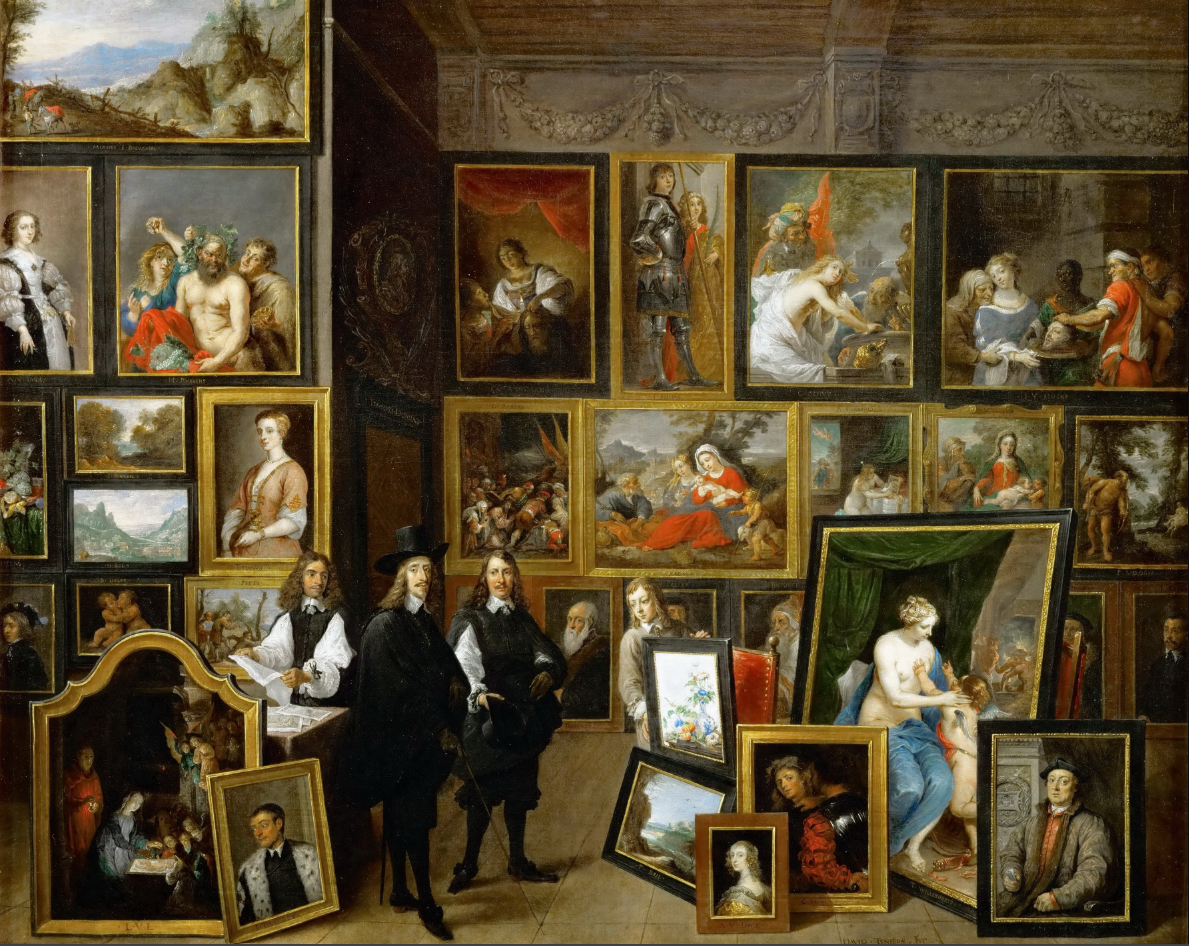
His son Anselm (1803–1874) expanded both the family business and its collecting ambitions. He assembled a collection of Dutch 17th-century paintings [Fig. 2], alongside decorative arts, inspired by the Habsburg Kunstkammer tradition. By 1872, a catalogue of his collection listed 600 objects, displayed in a dedicated gallery within the family palace on Vienna’s Renngasse.
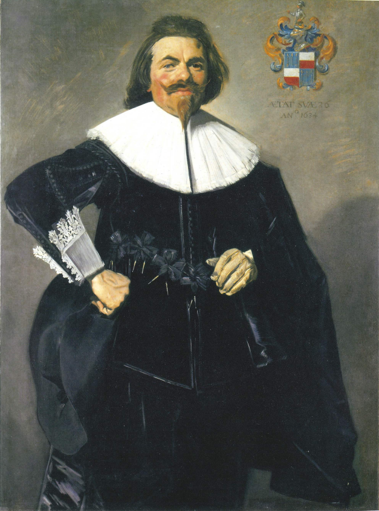

This tradition of collecting continued in the next generation. Anselm’s sons, Albert (1844-1911) built a palace on Heugasse, while Nathaniel (1836-1905) built a mansion on the Theresianumgasse.

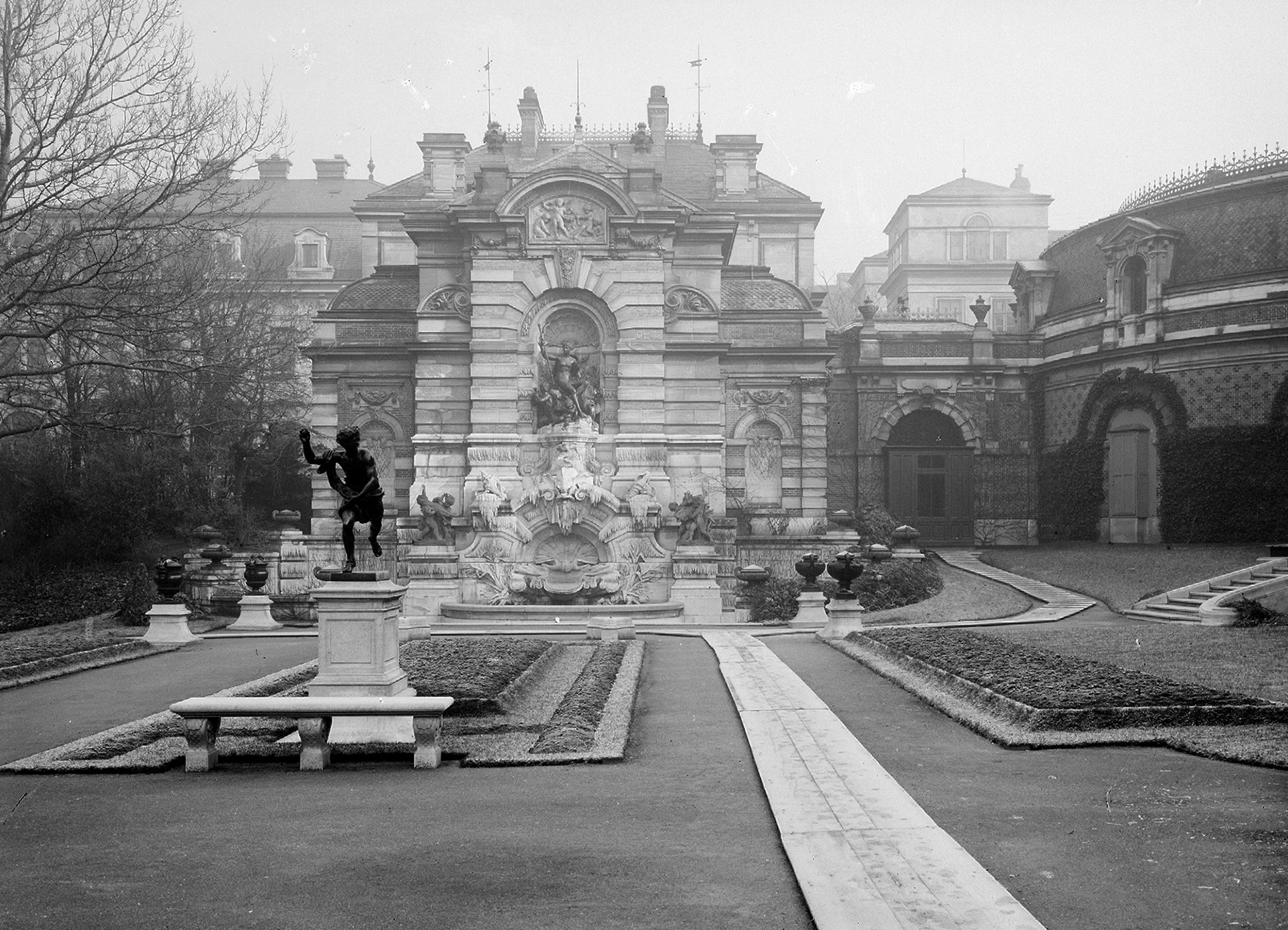
Alongside country estates, these houses became showcases for the Rothschild collections. Many rooms in their residences were conceived as Gesamtkunstwerk — total work of art — an immersion into historical styles. Particular emphasis was placed on 18th-century French decorative arts, and among these treasures were an astronomical clock made for the duc de Choiseul and a commode by Jean-Henri Riesener for Louis XVI, both offered at Christie's in 1999.


Lorem ipsum dolor sit amet, consectetur adipiscing elit, sed do eiusmod tempor incididunt ut labore et dolore magna aliqua. Ut enim ad minim veniam, quis nostrud exercitation ullamco laboris nisi ut aliquip ex ea commodo consequat. Duis aute irure dolor in reprehenderit in voluptate velit esse cillum dolore eu fugiat nulla pariatur.

Block quote
Ordered list
Unordered list
Bold text
Emphasis
Superscript
Subscript

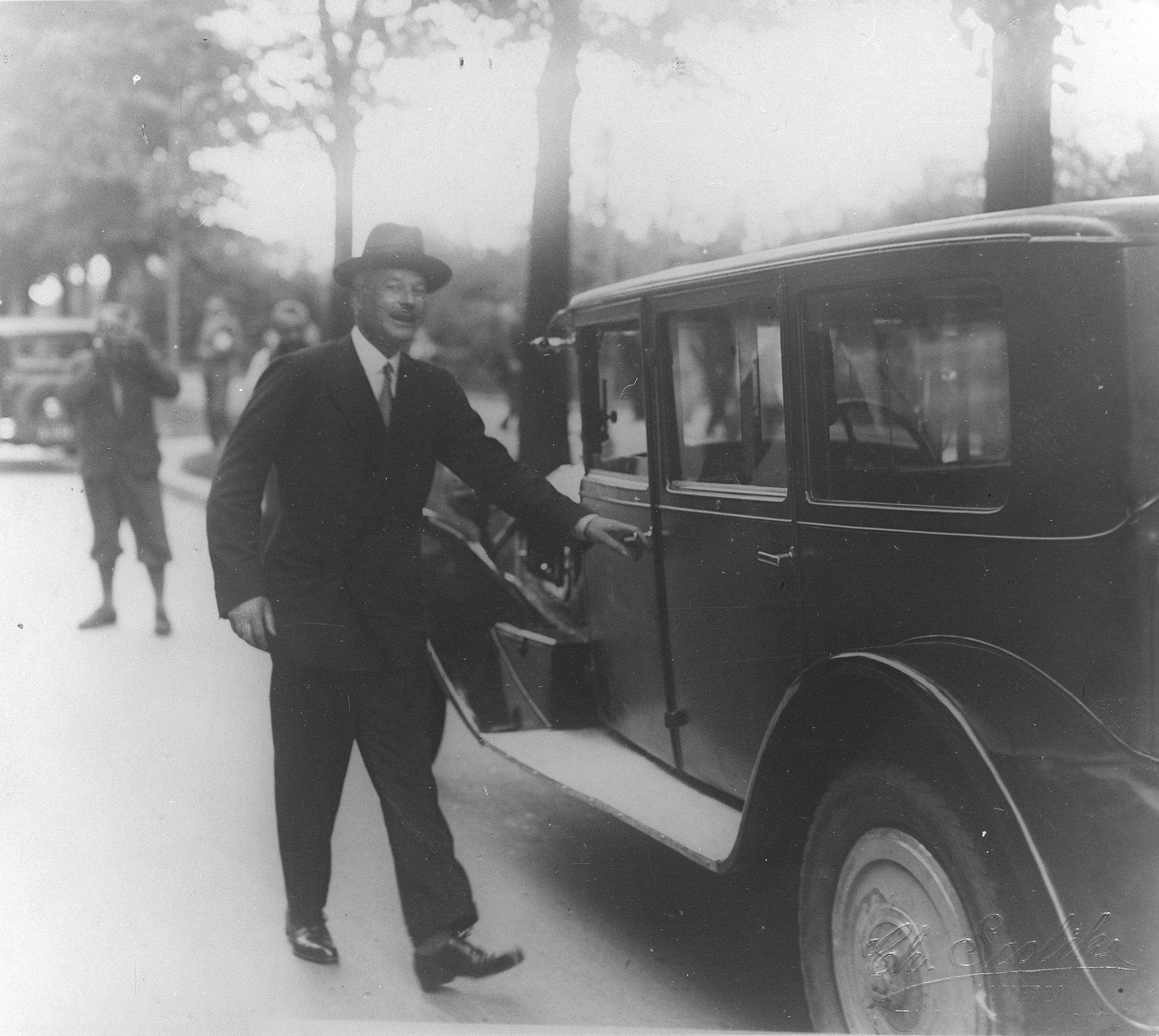


By the late 19th-century, the Viennese Rothschilds had assembled collections of exceptional quality, often acquiring objects that had once belonged to European royal and aristocratic families. Collecting and philanthropy formed part of a broader strategy of social integration and cultural legitimisation among newly ennobled elites, and their collections became symbols of wealth, cultural prestige and belonging.
Following Nathaniel’s death in 1905, Alphonse Mayer de Rothschild (1878-1942), inherited the Theresianumgasse palace and its belongings. He and his wife, Clarice (née Sebag-Montefiore, 1894-1967) continued to expand the collection. His brother, Louis (1882-1955) who headed the family bank, moved into Palais Heugasse.
To contemporaries, the Rothschilds appeared inseparable from Vienna itself. Their bank helped finance the empire, their philanthropy supported public institutions, and their residences became landmarks of the city’s social life. Looking back on this era, Stefan Zweig wrote: “Everything in our almost thousand-year-old Austrian monarchy seemed based on permanency, and the State itself was the chief guarantor of this stability”. This illusion did not survive March 1938.
The rich text element allows you to create and format headings, paragraphs, blockquotes, images, and video all in one place instead of having to add and format them individually. Just double-click and easily create content.
Quote sample text
A rich text element can be used with static or dynamic content. For static content, just drop it into any page and begin editing. For dynamic content, add a rich text field to any collection and then connect a rich text element to that field in the settings panel. Voila!
Headings, paragraphs, blockquotes, figures, images, and figure captions can all be styled after a class is added to the rich text element using the "When inside of" nested selector system.

“Everything in our almost thousand-year-old Austrian monarchy seemed based on permanency, and the State itself was the chief guarantor of this stability”
The rich text element allows you to create and format headings, paragraphs, blockquotes, images, and video all in one place instead of having to add and format them individually. Just double-click and easily create content.
Quote sample text
A rich text element can be used with static or dynamic content. For static content, just drop it into any page and begin editing. For dynamic content, add a rich text field to any collection and then connect a rich text element to that field in the settings panel. Voila!
Headings, paragraphs, blockquotes, figures, images, and figure captions can all be styled after a class is added to the rich text element using the "When inside of" nested selector system.
Following the Anschluss in 1938, the Rothschilds became immediate targets of the Nazi regime. Alphonse and Clarice happened to be attending a philatelic exhibition in London when German forces entered Austria. They instructed their daughters, Bettina (1924-2012) and Gwendoline (1927-1972) to travel to safety in Switzerland, but their train was stopped in Innsbruck on 12 March when they heard the order, “All Jews off the train”. The children were taken to a police station and briefly detained before being unexpectedly released later that day. Only later did they learn that, instead, the SS had arrested their uncle Louis at Vienna's Aspern airport.
Both family residences were sealed by the Gestapo on 14 March 1938, and rooms that had housed generations of collecting and family life were transformed into sites of inventory and confiscation.
From the expropriation of the family bank to the confiscation of over 3500 objects, a series of legal measures transferred ownership of Rothschild assets to the German state. At the Kunsthistorisches Museum, Rothschild objects were centralized, studied, and redistributed. Some objects were selected for Hitler’s museum in Linz; others were sent to Austrian museums, sold through the Dorotheum, or placed in wartime storage depots, where many would be marked AR for Alphonse Rothschild [Fig. 12].
Louis Rothschild’s release became the subject of lengthy negotiations. After 14 months in Gestapo custody, an agreement transferred the “entire assets belonging to Alfons Rothschild in the territory of the Greater German Reich” to state control. Louis was released on 11 May 1939 and eventually escaped to the United States, where Alphonse and his family immigrated as well. Alphonse died of a heart attack in 1942.
This pattern of persecution extended across Europe: in France, Baron Philippe de Rothschild (1902-1988) was imprisoned and stripped of his nationality and assets, while his wife Élisabeth was deported and perished in Ravensbrück. Other members of the French branch were likewise affected; collections belonging to Baron Édouard de Rothschild (1868-1949), for instance, were confiscated during the war and later restituted, with several works later offered at Christie’s in the 2023 Rothschild Masterpieces auction series.

Post-war restitution brought little restoration of the Rothschilds' Austrian world. The Rothschilds recovered many artworks and properties, yet the world they had built in Vienna had largely disappeared.
From 1947, Louis, together with other family members including Clarice, filed restitution claims under the First Restitution Act. Several of their residences had been occupied by the Gestapo [Fig. 16 and 17], and although Louis recovered parts of the family’s properties, he later reached a settlement under which significant assets passed to the Austrian state while pensions were provided for former Rothschild employees. The Heugasse palace was demolished in 1954. Clarice likewise abandoned the ruined Theresianumgasse palace, though she successfully reclaimed the Rothschild Gardens at Hohe Warte before donating them to the City of Vienna.
Only the Langau estate in Lower Austria remained in the family’s ownership, eventually passing to Clarice’s daughter Bettina Looram, who later retired there with her husband. The Telegraph’s obituary of Bettina recalls her words: “The bank has gone, Schillersdorf, the other fine castles, the Viennese town houses, all have gone. Only beautiful Langau is left, the place that Grandfather Albert loved and which still has a high place in the affections of his youngest descendants”.
Although thousands of objects from the Rothschild collections were returned to them in the immediate postwar years, the Federal Monuments Authority, outlining a 1918 law banning art exports, made export permits contingent on the surrender of more than 250 artworks to Austrian museums. These coerced donations were not restituted until 50 years later, when, amid growing international scrutiny of wartime looting, Austria reassessed these acquisitions through the 1998 Art Restitution Act. Bettina’s efforts for Rothschild pieces to be returned to the family were finally rewarded by the Art Restitution Advisory Board decision of 11 February 1999, and the returned objects were consigned at Christie’s in the 8 July 1999 auction.
While many recovered objects were gifted by Bettina Burr (born circa 1946), Alphonse and Clarice’s granddaughter, to the Museum of Fine Arts, Boston, in 2015, restitution remains an ongoing process. In 2023, Austria approved the return of the Rothschild Vienna Mahzor, a rare 15th-century Jewish prayer book found in the Austrian National Library and omitted from earlier restitution proceedings.
The story of Rothschild Vienna is the story of a family that helped shape the cultural life of a city, lost almost everything within months of the Anschluss, and spent generations seeking the return of what had been taken. The collections survive today in museums and private hands across the world, but they also stand as reminders of a vanished world. As Bettina Burr remarked in 2015, “it’s a wonderful story and that it has a good ending” — restitution has allowed these objects to bear witness once more to their history.
Franz Schestag, Katalog der Kuntsammlung des Freiherrn Anselm von Rothschild in Wein, zweiter theil, Vienna, 1872
Stefan Zweig, The World of Yesterday, Cassel and Company, 1943, p.13
Felicitas Kunth, Die Rothschild'schen Gemäldesammlungen in Wien, Böhlau, Vienna, 2006
MFA Boston, Museum of Fine Arts, Boston, Announces Major Gift from Rothschild Heirs, Including Family Treasures Recovered from Austria after WWII, https://www.mfa.org/news/restoring-a-legacy-rothschild-family-treasures.
MFA Boston, A Family’s Saga: Interview with Bettina Burr, https://www.mfa.org/media/video/9256
Christie’s, London, The Collections of Barons Nathaniel and Albert von Rothschild, 8 July 1999
The Telegraph, Bettina Looram, https://www.telegraph.co.uk/news/obituaries/culture-obituaries/art-obituaries/9715373/Bettina-Looram.html
Sotheby’s, The Rothschild Vienna Mazhor, https://www.sothebys.com/en/digital-catalogues/the-rothschild-vienna-mahzor
Decision by Austrian Commission for Provenance Research and Art Restitution Advisory Board, Vienna, Rothschild Alphonse Clarice, 30 March 2022, https://provenienzforschung.gv.at/beiratsbeschluesse/Rothschild_Alphonse_Clarice_2022-03-30_english.pdf
Lexicon of Austrian Provenance Research, Louis Nathaniel (Freiherr von) Rothschild, https://www.lexikon-provenienzforschung.org/en/rothschild-louis-nathaniel
The Rothschild Archive, https://family.rothschildarchive.org/
Lorem ipsum dolor sit amet, consectetur adipiscing elit, sed do eiusmod tempor incididunt ut labore et dolore magna aliqua. Ut enim ad minim veniam, quis nostrud exercitation ullamco laboris nisi ut aliquip ex ea commodo consequat. Duis aute irure dolor in reprehenderit in voluptate velit esse cillum dolore eu fugiat nulla pariatur.
Block quote
Ordered list
Unordered list
Bold text
Emphasis
Superscript
Subscript
The rich text element allows you to create and format headings, paragraphs, blockquotes, images, and video all in one place instead of having to add and format them individually. Just double-click and easily create content.
A rich text element can be used with static or dynamic content. For static content, just drop it into any page and begin editing. For dynamic content, add a rich text field to any collection and then connect a rich text element to that field in the settings panel. Voila!
Headings, paragraphs, blockquotes, figures, images, and figure captions can all be styled after a class is added to the rich text element using the "When inside of" nested selector system.